Can Your Diet Really Protect Your Eyes from Macular Degeneration?
Age-related Macular Degeneration (AMD) is a silent thief of sight, gradually blurring the sharp central vision essential for daily tasks. Affecting millions worldwide, it's a leading cause of severe vision loss in individuals over 50. The prospect of losing the ability to read, drive, or even recognize faces is daunting, and for many, it feels like an inevitable part of aging.
However, emerging research paints a more hopeful picture: your dietary choices play a surprisingly profound role in eye health. Far from being passive recipients of genetic fate, our eyes are profoundly influenced by the nutrients we consume. In fact, your plate is a powerful tool in preserving your sight, offering a proactive defense against the progression of AMD.
Understanding Macular Degeneration and Its Impact
Before delving into dietary solutions, it's crucial to grasp what macular degeneration is and why it poses such a significant threat to vision.
Age-related Macular Degeneration (AMD) is a progressive eye condition that primarily affects the macula, a small but vital part of the retina located at the back of your eye. The macula is responsible for your central vision, allowing you to see fine details, recognize faces, read, and drive. When the macula deteriorates, these crucial abilities are compromised, leading to blurry vision, distorted lines, or a central blind spot. While AMD rarely causes total blindness, it can severely impair the quality of life, making everyday tasks incredibly challenging.
There are two main types of AMD: dry AMD and wet AMD. Dry AMD is the more common form, accounting for about 90% of cases. It develops slowly, caused by the thinning of the macula and the presence of small yellow deposits called drusen. Wet AMD, though less common, is more severe and can lead to rapid vision loss. It occurs when abnormal blood vessels grow under the retina and leak fluid or blood, damaging the macula. Understanding the distinction between these types is important, though dietary interventions primarily focus on preventing and slowing the progression of both.
For a deeper dive into the root causes and mechanisms behind this condition, you might find our article on Causes of Macular Degeneration and Vision Loss particularly insightful. It explains how genetic predispositions, environmental factors, and lifestyle choices converge to impact your retinal health.
💡 Key Takeaway
Macular degeneration targets the macula, impairing central vision crucial for daily life. While dry AMD progresses slowly, wet AMD can cause rapid vision loss. Diet plays a preventative role against both types by addressing underlying cellular damage.
The Science Behind Diet and Eye Health
The connection between what we eat and our vision is not anecdotal; it's rooted in robust scientific evidence.
Our eyes are constantly exposed to light, oxygen, and environmental stressors, leading to a high rate of metabolic activity and the production of reactive oxygen species, or free radicals. These free radicals can cause oxidative damage to delicate retinal cells, a key factor in the development and progression of AMD. This is where diet comes in. Foods rich in antioxidants, anti-inflammatory compounds, and specific carotenoids can help neutralize these harmful free radicals, protect cellular structures, and support the overall health of the macula.
Decades of research, including large-scale clinical trials like the Age-Related Eye Disease Studies (AREDS and AREDS2), have unequivocally demonstrated that certain nutrients can significantly reduce the risk of advanced AMD and associated vision loss. These studies identified a powerful combination of antioxidants and minerals that, when taken regularly, can slow the progression of intermediate AMD to advanced AMD by about 25%. This evidence forms the cornerstone of dietary recommendations for eye health, highlighting the proactive power of nutrition.
Beyond preventing oxidative damage, specific dietary components contribute to the structural integrity of the retina, improve blood flow to the eyes, and enhance light sensitivity. The intricate network of blood vessels supplying the eye is particularly susceptible to damage from poor diet, high blood pressure, and inflammation. By adopting a diet that supports cardiovascular health, we indirectly bolster ocular health, ensuring a steady supply of oxygen and nutrients to the retina.
Key Nutrients for Macular Protection
Certain nutrients stand out for their proven ability to protect the macula and support overall vision health. Incorporating these into your daily diet is a cornerstone of AMD prevention.
Lutein and Zeaxanthin
These are powerful carotenoids that are uniquely concentrated in the macula, forming the macular pigment. They act like natural sunglasses, filtering harmful blue light and providing antioxidant protection against free radical damage. Higher dietary intake of these carotenoids is consistently linked to a reduced risk of AMD.
Omega-3 Fatty Acids (EPA & DHA)
Essential for the structural integrity of retinal cell membranes, omega-3s possess strong anti-inflammatory properties. They help maintain healthy blood flow to the eyes and may reduce the risk of drusen formation and progression to advanced AMD. DHA is particularly abundant in the retina.
Vitamin C (Ascorbic Acid)
A potent antioxidant, Vitamin C protects eye cells from oxidative stress. It plays a crucial role in the health of blood vessels in the eye and helps regenerate other antioxidants like Vitamin E. Adequate intake is associated with a lower risk of AMD and cataracts.
Vitamin E (Alpha-Tocopherol)
Another powerful fat-soluble antioxidant, Vitamin E works synergistically with Vitamin C to protect cell membranes from oxidative damage. It's particularly important for maintaining the health of photoreceptor cells in the retina. The AREDS studies highlighted its importance in combination with other nutrients.
Zinc
Zinc is a vital trace mineral found in high concentrations in the eye, particularly in the retina and choroid. It plays a crucial role in transporting Vitamin A from the liver to the retina to produce melanin, a protective pigment in the eye. Zinc also supports the activity of numerous enzymes involved in antioxidant defense.
Copper
Often included alongside zinc in eye health formulations, copper is essential for the proper functioning of antioxidant enzymes. While zinc is vital, high doses of zinc can sometimes interfere with copper absorption, so a balanced intake of both is important to avoid deficiency and ensure optimal antioxidant protection.
Top Foods to Protect Your Vision
Now that we understand the key nutrients, let's explore the delicious foods that are rich in these eye-protective compounds.
Incorporating a variety of these foods into your daily meals is the most natural and enjoyable way to nourish your eyes. Think of your plate as a canvas for vibrant, nutrient-dense ingredients.
- Leafy Green Vegetables: Kale, spinach, collard greens, turnip greens, and Swiss chard are absolute powerhouses of lutein and zeaxanthin. Aim for several servings per week, whether raw in salads, sautéed, or blended into smoothies.
- Fatty Fish: Salmon, mackerel, sardines, tuna, and trout are excellent sources of omega-3 fatty acids, particularly EPA and DHA. Try to consume these fish two to three times per week. If fish isn't an option, consider flaxseeds, chia seeds, and walnuts for plant-based omega-3 (ALA), though conversion to EPA/DHA is less efficient.
- Colorful Fruits and Vegetables: Brightly colored produce like bell peppers (especially red and yellow), oranges, berries, corn, carrots, and sweet potatoes are packed with Vitamin C, Vitamin E, beta-carotene, and other antioxidants. Eating a rainbow of colors ensures a broad spectrum of protective compounds.
- Eggs: The yolks are a good source of lutein and zeaxanthin, along with zinc. Enjoying eggs a few times a week can contribute to your carotenoid intake.
- Nuts and Seeds: Almonds, walnuts, pecans, sunflower seeds, and flaxseeds are rich in Vitamin E, zinc, and healthy fats. They make for excellent snacks or additions to salads and oatmeal.
- Legumes: Beans and lentils provide zinc and fiber, supporting overall health and indirectly benefiting the eyes.
Building meals around these ingredients can be both delicious and incredibly beneficial for your long-term vision. For those seeking more guidance on holistic approaches to eye care, our article on How to Improve Eye Health Naturally offers additional tips beyond diet.
💡 Key Takeaway
A diet rich in leafy greens, fatty fish, colorful fruits/vegetables, eggs, nuts, seeds, and legumes provides essential lutein, zeaxanthin, omega-3s, vitamins C & E, and zinc, all crucial for protecting the macula from age-related damage.
Beyond Specific Foods: Healthy Eating Patterns
While individual nutrients are important, the overall pattern of your diet has an even greater impact on eye health and AMD prevention.
Mediterranean Diet
This well-regarded eating pattern emphasizes fruits, vegetables, whole grains, legumes, nuts, seeds, and olive oil as the primary fat source. Fish and poultry are consumed regularly, while red meat is limited. This diet is naturally rich in antioxidants, anti-inflammatory compounds, and healthy fats, all of which are protective against AMD and numerous other chronic diseases.
DASH Diet
The Dietary Approaches to Stop Hypertension (DASH) diet is designed to lower blood pressure, but its principles are also highly beneficial for eye health. It focuses on whole grains, fruits, vegetables, lean protein, and low-fat dairy, while limiting saturated fat, cholesterol, and sodium. By promoting cardiovascular health, the DASH diet ensures optimal blood flow to the delicate structures of the eye.
Plant-Forward Eating
Embracing a diet that prioritizes plant-based foods, even if not strictly vegetarian or vegan, significantly increases your intake of fiber, vitamins, minerals, and phytochemicals. These compounds work synergistically to reduce inflammation and oxidative stress throughout the body, including in the eyes.
Limiting Processed Foods
Reducing consumption of highly processed foods, sugary drinks, and unhealthy fats (trans fats, excessive saturated fats) is crucial. These foods can contribute to inflammation, oxidative stress, and poor cardiovascular health, all of which negatively impact eye health and can accelerate AMD progression.
Lifestyle Factors: A Holistic Approach to Eye Health
While diet is paramount, protecting your eyes from macular degeneration requires a holistic approach that includes several other crucial lifestyle factors.
Think of your eye health as a puzzle where diet is a major piece, but not the only one. Integrating these additional practices can significantly amplify your protective efforts:
- Quit Smoking: Smoking is one of the strongest modifiable risk factors for AMD. It dramatically increases oxidative stress and inflammation in the eyes, accelerating damage to the macula. Quitting smoking is arguably the single most impactful step you can take to protect your vision.
- Regular Exercise: Physical activity improves cardiovascular health, which in turn enhances blood circulation to the eyes. Exercise helps manage blood pressure, cholesterol levels, and blood sugar, all factors that can impact eye health. Aim for at least 150 minutes of moderate-intensity exercise per week.
- Maintain a Healthy Weight: Obesity is linked to an increased risk of developing AMD. Maintaining a healthy weight through diet and exercise can reduce systemic inflammation and oxidative stress, thereby protecting your eyes.
- Protect Your Eyes from UV Light: Prolonged exposure to ultraviolet (UV) light and high-energy visible (HEV) blue light can contribute to macular damage. Always wear sunglasses that block 99-100% of both UVA and UVB rays when outdoors. Consider blue-light filtering glasses if you spend many hours in front of digital screens.
- Manage Chronic Conditions: Conditions like high blood pressure, high cholesterol, and diabetes can significantly impact eye health and increase the risk of AMD. Working closely with your doctor to manage these conditions effectively is vital for preserving your vision.
- Regular Eye Exams: Comprehensive dilated eye exams are essential for detecting AMD in its early stages, even before symptoms appear. Early detection allows for timely interventions, including dietary adjustments and, if necessary, medical treatments, to slow progression.
By combining a nutrient-rich diet with these healthy lifestyle choices, you create a powerful defense strategy against macular degeneration, maximizing your chances of maintaining clear vision for years to come.
The Role of Eye Health Supplements
Even with the most diligent dietary efforts, it can be challenging to consistently obtain optimal levels of all the eye-protective nutrients, especially as we age or if specific dietary restrictions apply. This is where high-quality eye health supplements can play a crucial supportive role.
Supplements are not a substitute for a healthy diet, but rather a complementary tool to ensure your eyes receive a consistent and concentrated supply of essential nutrients. Based on extensive research, particularly the AREDS and AREDS2 studies, specific formulations have been shown to be effective in reducing the risk of advanced AMD progression. These formulations typically include a blend of antioxidants, vitamins, and minerals in specific dosages.
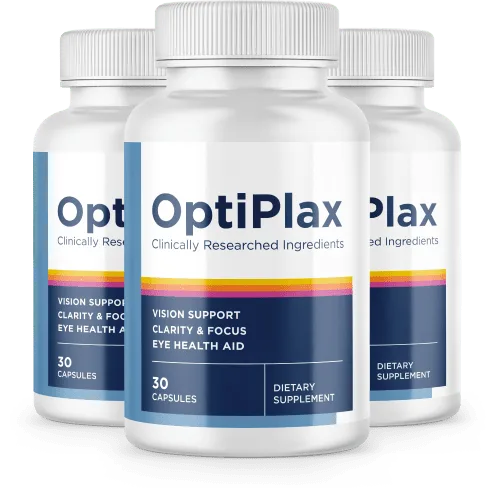
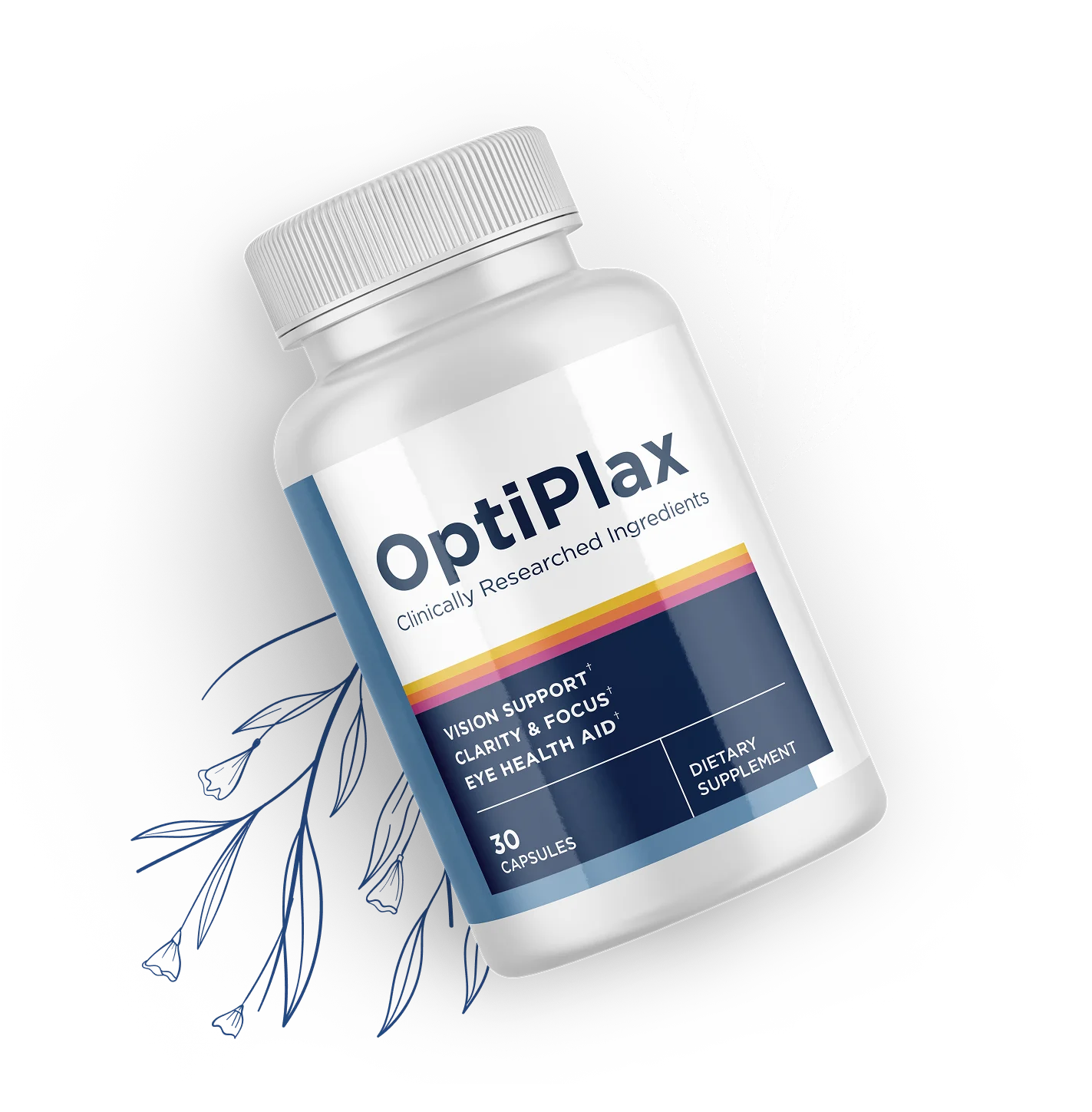
OptiPlex is a premium eye health supplement formulated to provide comprehensive nutritional support for your vision. It combines scientifically backed ingredients in optimal concentrations to help protect the macula, support retinal function, and combat the oxidative stress that contributes to AMD. Designed for daily use, OptiPlex aims to bridge any nutritional gaps and provide an added layer of defense for your precious eyesight.
When considering a supplement, it's vital to choose one that is transparent about its ingredients, uses high-quality sources, and is manufactured under strict quality control standards, such as those followed by OptiPlex. Always consult with your ophthalmologist or healthcare provider before adding any new supplement to your regimen, especially if you have existing health conditions or are taking other medications.
Key Ingredients in OptiPlex for Comprehensive Eye Support
OptiPlex is meticulously formulated with a blend of ingredients known for their synergistic effects on eye health, carefully chosen to support and protect your vision.
Lutein
Role: A primary carotenoid concentrated in the macula, essential for filtering harmful blue light and providing powerful antioxidant protection against oxidative stress. Helps maintain macular pigment density.
10-20 mgZeaxanthin
Role: Another crucial macular carotenoid, working alongside lutein to enhance macular pigment, reduce glare, and protect photoreceptor cells from light-induced damage. Vital for sharp central vision.
2-4 mgOmega-3 Fatty Acids (EPA & DHA)
Role: Fundamental for retinal health, these fatty acids are integral components of cell membranes in the retina. They reduce inflammation, support photoreceptor function, and promote healthy blood flow to the eyes.
250-1000 mgVitamin C
Role: A potent water-soluble antioxidant that protects eye tissues from free radical damage. Supports the health of blood vessels in the eyes and helps regenerate other antioxidants, like Vitamin E.
250-500 mgVitamin E
Role: A fat-soluble antioxidant that protects cell membranes, especially photoreceptor cells, from lipid peroxidation. Works in concert with Vitamin C and other antioxidants to neutralize oxidative stress.
100-200 IUZinc
Role: An essential trace mineral highly concentrated in the retina. It's crucial for the activity of antioxidant enzymes and plays a key role in the metabolism of Vitamin A, which is vital for vision.
25-80 mgCopper
Role: Included to balance zinc levels, as high zinc intake can deplete copper. Copper is essential for the function of superoxide dismutase, another important antioxidant enzyme in the eye.
1-2 mgBilberry Extract
Role: Rich in anthocyanins, powerful antioxidants that support microcirculation in the eyes, enhance night vision, and reduce eye fatigue. It has a long history of traditional use for vision support.
50-100 mgGrape Seed Extract
Role: Contains proanthocyanidins, potent antioxidants that strengthen blood vessels, improve circulation, and protect against oxidative damage. Beneficial for overall ocular microvasculature.
25-50 mg
Take Control of Your Eye Health Today with OptiPlex
Don't leave your vision to chance. OptiPlex offers a powerful, scientifically-backed blend of nutrients designed to support and protect your eyes against the challenges of aging and environmental stressors. By choosing OptiPlex, you're investing in a proactive approach to maintaining sharp, clear vision for years to come.
- ✓ Supports Macular Health & Pigment Density
- ✓ Protects Against Oxidative Stress & Blue Light
- ✓ Enhances Visual Acuity & Contrast Sensitivity
- ✓ Formulated with Clinically Studied Ingredients
- ✓ Made in the USA, GMP Certified, 100% Natural



What Our Customers Say About OptiPlex
"I've been taking OptiPlex for three months now, and I can genuinely feel a difference. My eyes feel less strained after a long day at the computer, and my vision seems a bit sharper. It's reassuring to know I'm giving my eyes the best possible support."
"As someone with a family history of AMD, I'm very proactive about my eye health. OptiPlex was recommended by a friend, and I've been impressed. The comprehensive blend of nutrients gives me peace of mind, and I haven't experienced any adverse effects. Highly recommend!"
"I used to get frequent eye fatigue and struggled with night driving. Since starting OptiPlex, I've noticed a significant improvement in both areas. My eyes feel more comfortable, and my night vision is definitely better. This supplement is a game-changer for me."
Frequently Asked Questions
What exactly is macular degeneration?
+Macular degeneration, specifically age-related macular degeneration (AMD), is an eye disease that causes blurred central vision or a blind spot in your visual field. It occurs when the macula, the central part of the retina responsible for sharp, detailed vision, deteriorates. AMD is a leading cause of vision loss among people aged 50 and older, impacting daily activities like reading, driving, and recognizing faces. There are two main types: dry AMD (more common and slower progression) and wet AMD (less common but more severe and rapid vision loss).
How does diet specifically help prevent macular degeneration?
+A diet rich in specific nutrients can combat the oxidative stress and inflammation believed to contribute to AMD. Antioxidants like Vitamins C and E, beta-carotene, zinc, and copper help neutralize free radicals that damage retinal cells. Carotenoids like lutein and zeaxanthin accumulate in the macula, forming a protective pigment that filters harmful blue light and acts as an antioxidant. Omega-3 fatty acids reduce inflammation and support the structural integrity of retinal cells. Consuming these nutrients through whole foods and, if necessary, targeted supplements, can significantly lower the risk of developing or progressing AMD.
Which nutrients are most important for maintaining eye health and preventing AMD?
+The most critical nutrients for eye health and AMD prevention include: Lutein and Zeaxanthin (found in leafy greens, eggs, corn), Omega-3 Fatty Acids (EPA and DHA, found in fatty fish like salmon, mackerel, and flaxseeds), Vitamin C (citrus fruits, bell peppers), Vitamin E (nuts, seeds, leafy greens), Zinc (meat, beans, nuts), and Copper (shellfish, nuts, whole grains). These work synergistically to protect the macula from damage, reduce inflammation, and support overall retinal function.
Can supplements replace a healthy diet for AMD prevention?
+No, supplements cannot fully replace the benefits of a diverse, nutrient-rich diet. Whole foods contain a complex array of vitamins, minerals, antioxidants, and phytochemicals that work together in ways that isolated supplements often cannot replicate. While supplements like OptiPlex can be highly beneficial for filling nutritional gaps and providing concentrated doses of key eye-protecting nutrients, they should always be seen as complementary to, not a substitute for, a balanced diet rich in fruits, vegetables, and healthy fats. Always consult your doctor before starting any new supplement regimen.
When should I start focusing on an eye-healthy diet to prevent macular degeneration?
+It's never too early to start adopting an eye-healthy diet. While AMD typically affects individuals over 50, the cellular damage and oxidative stress that contribute to its development can begin much earlier in life. Implementing a diet rich in eye-protecting nutrients in your 20s, 30s, and 40s can build a strong foundation for long-term eye health and significantly reduce your risk as you age. Even if you're already experiencing early signs of AMD, dietary changes can help slow progression.
Is OptiPlex suitable for everyone, and what makes it stand out?
+OptiPlex is formulated with a blend of clinically studied ingredients known for their benefits in supporting eye health and protecting against macular degeneration. It contains optimal doses of lutein, zeaxanthin, omega-3s, and essential vitamins and minerals. While generally safe, it's always recommended to consult with your healthcare provider or ophthalmologist before starting any new supplement, especially if you have pre-existing medical conditions, are pregnant or nursing, or are taking other medications. OptiPlex stands out due to its comprehensive formula, high-quality, natural ingredients, and commitment to purity and efficacy, manufactured in a GMP-certified facility in the USA.
Related Articles