Is your vision becoming a blur? Uncover the root causes of macular degeneration and how to safeguard your sight.
Vision is one of our most precious senses, allowing us to experience the world in vivid detail. Yet, for millions, the clarity of sight begins to fade with age, often due to a condition known as macular degeneration. This progressive eye disease silently erodes the central vision, making everyday tasks challenging and impacting quality of life.
Understanding the underlying causes and risk factors of macular degeneration is the first crucial step towards prevention and effective management. This article, penned by Ophthalmological Health Researcher Dr. Catherine Roberts and reviewed by Board-Certified Ophthalmologist Dr. Henry Walsh, will delve deep into the science behind this condition, offering clear explanations and actionable insights to help you protect your precious sight. We'll explore why the macula, a tiny yet vital part of your retina, is so vulnerable, and how factors ranging from genetics to lifestyle choices play a significant role in its health. By the end, you'll have a comprehensive understanding of how to proactively support your eyes and preserve your vision, even exploring how targeted nutritional support can be a powerful ally in your eye health journey.
What is Macular Degeneration (AMD)? A Closer Look at Your Retina
Before we delve into the causes, it's essential to understand what macular degeneration is and how it affects your vision. This condition primarily targets a crucial part of your eye called the macula.
The **macula** is a small, central area of the retina, the light-sensitive tissue at the back of your eye. Despite its size, the macula is responsible for your sharp, detailed **central vision**, which you rely on for tasks like reading, driving, recognizing faces, and seeing fine details. When the macula is damaged, this central vision becomes blurred, distorted, or develops blind spots, making these activities incredibly difficult. Peripheral (side) vision is usually not affected, which means macular degeneration rarely leads to complete blindness but can severely impair daily functioning.
Most cases of macular degeneration are **age-related (AMD)**, meaning the risk significantly increases with age. It's a progressive condition, meaning it tends to worsen over time, though the rate of progression varies greatly among individuals. Early detection and intervention are key to managing the condition and potentially slowing its advancement.
💡 Key Takeaway
Macular degeneration primarily affects the macula, the part of the retina responsible for sharp central vision. It leads to blurry or distorted central vision, making detailed tasks difficult, and is a leading cause of vision loss in older adults.
The Two Main Types of Macular Degeneration
Macular degeneration manifests in two primary forms, each with distinct characteristics and progression patterns. Understanding these types is crucial for accurate diagnosis and treatment planning.
1. Dry AMD (Atrophic Macular Degeneration): This is the more common form, accounting for about 85-90% of all AMD cases. Dry AMD develops gradually as the macula thins with age and tiny clumps of protein called **drusen** accumulate under the retina. These drusen can interfere with the macula's function, leading to a slow, progressive loss of central vision. While typically less severe than wet AMD, dry AMD can still significantly impact daily life. In some cases, dry AMD can advance to wet AMD.
2. Wet AMD (Neovascular Macular Degeneration): This form is less common but much more severe and can lead to rapid and significant vision loss. Wet AMD occurs when abnormal blood vessels grow under the retina (a process called **choroidal neovascularization**). These fragile new vessels leak blood and fluid into the macula, causing damage to the light-sensitive cells. The leakage leads to distorted vision, blind spots, and often a more abrupt and noticeable decline in central vision. Prompt medical treatment is essential for wet AMD to preserve vision.
It is possible to have both dry and wet AMD, or for dry AMD to progress into wet AMD over time. Regular eye examinations are vital for monitoring changes and identifying the type of AMD present.
Primary Causes and Unavoidable Risk Factors of AMD
While the exact cause of macular degeneration is not fully understood, a combination of genetic and environmental factors is believed to contribute to its development. Some risk factors are beyond our control, while others can be managed through lifestyle choices.
Age
The single most significant risk factor for AMD is **age**. The condition is most common in people over 50, and the risk increases substantially with each decade. As we age, the delicate cells of the macula become more susceptible to damage and wear, leading to the accumulation of waste products and cellular dysfunction.
Genetics and Family History
If you have a close relative with AMD, your risk of developing the condition is significantly higher. Researchers have identified several genes linked to AMD, particularly those involved in the immune system's complement pathway and lipid metabolism. Genetic predisposition doesn't guarantee you'll get AMD, but it makes you more vulnerable.
Race
Caucasians have a higher prevalence of AMD compared to other ethnic groups. While the reasons for this disparity are not entirely clear, it suggests a genetic or environmental component that affects different populations uniquely.
Gender
Some studies suggest that women may have a slightly higher risk of developing AMD than men, although this difference is often attributed to women generally living longer than men, thus having more years to be exposed to age-related risk factors.
Modifiable Risk Factors: What You Can Control
Beyond the factors you can't change, there are several lifestyle and environmental elements that significantly influence your risk of developing AMD. Taking proactive steps in these areas can make a substantial difference in protecting your eye health.
1. Smoking: Without a doubt, **smoking is one of the most significant modifiable risk factors** for AMD. Smokers are at a 2 to 4 times higher risk of developing AMD compared to non-smokers, and they tend to develop it earlier. Smoking reduces blood flow to the eyes, increases oxidative stress, and interferes with the absorption of essential eye-protective nutrients. Quitting smoking is the single most impactful step you can take for your eye health.
2. Diet and Nutrition: A diet lacking in specific vitamins, minerals, and antioxidants can increase your vulnerability to AMD. The macula is particularly susceptible to oxidative damage, and a diet poor in **lutein, zeaxanthin, omega-3 fatty acids, zinc, and vitamins C and E** leaves it unprotected. Conversely, a diet rich in these nutrients, found in leafy green vegetables, colorful fruits, and fatty fish, is protective. You can learn more about how certain natural ingredients support vision in our article: OptiPlex Ingredients: Astaxanthin, Kelp & Vision.
3. Obesity: Research indicates a strong link between obesity and an increased risk of developing advanced AMD. Obesity is associated with chronic inflammation and oxidative stress throughout the body, including the eyes, which can contribute to macular damage. Maintaining a healthy weight through diet and exercise is crucial.
4. Cardiovascular Health: Conditions like **high blood pressure, high cholesterol, and heart disease** can impair blood flow to the eyes, potentially damaging the delicate blood vessels in the retina. Managing these conditions through medication, diet, and lifestyle changes is vital for overall health and specifically for eye health.
5. Sunlight Exposure: Long-term exposure to **ultraviolet (UV) light and high-energy visible (HEV) blue light** from the sun may contribute to macular damage. While the evidence is not as strong as with smoking, protecting your eyes with sunglasses that block 99-100% of UV-A and UV-B rays, and potentially blue light, is a sensible preventive measure.
6. Physical Inactivity: A sedentary lifestyle is often linked to obesity and cardiovascular issues, both of which are risk factors for AMD. Regular physical activity can improve overall circulation and reduce inflammation, benefiting eye health.
Recognizing the Symptoms of Macular Degeneration
Early AMD often has no noticeable symptoms, which is why regular eye exams are so important. However, as the disease progresses, certain signs may become apparent. Recognizing these symptoms can prompt timely intervention.
Common symptoms of AMD include:
- Blurred or Distorted Central Vision: This is often the first noticeable symptom. Straight lines may appear wavy or bent, or there might be a general blurriness in the center of your vision.
- Difficulty Reading or Performing Close-Up Tasks: Due to the loss of sharp central vision, activities like reading, sewing, or writing become increasingly challenging.
- Dark or Empty Spots in Central Vision: As the macula deteriorates, blind spots or shadowy areas can appear in the center of your visual field.
- Reduced Intensity or Brightness of Colors: Colors may appear duller or less vibrant than before.
- Difficulty Adapting to Low Light Levels: You might find it harder to see in dimly lit environments or when moving from a brightly lit area to a darker one.
- Need for Brighter Light: You may require more light for reading or other close-up activities.
If you experience any of these symptoms, especially if they are sudden or worsening, it's crucial to consult an ophthalmologist immediately. Early detection of AMD, particularly wet AMD, can significantly impact the effectiveness of treatment and vision preservation.
Diagnosis and Monitoring of Macular Degeneration
Diagnosing AMD involves a comprehensive eye examination by an ophthalmologist. Several tests are used to assess the health of your macula and retina.
Dilated Eye Exam
Your eye doctor will dilate your pupils with eye drops to get a clear view of your retina and macula. They will look for drusen (yellow deposits) and other signs of damage or abnormal blood vessel growth.
Amsler Grid Test
This simple at-home test involves looking at a grid of straight lines. If you have AMD, the lines may appear wavy, broken, or distorted, or you might see a blank spot in the center. Regular use of the Amsler grid can help monitor your vision for changes.
Optical Coherence Tomography (OCT)
OCT is a non-invasive imaging test that uses light waves to create cross-sectional images of your retina. It allows the doctor to see the layers of the retina and macula in detail, detect fluid leakage, and identify abnormal blood vessels, which is especially useful for diagnosing and monitoring wet AMD.
Fluorescein Angiography (FA)
In this test, a dye is injected into your arm, which travels to the blood vessels in your eyes. A special camera then takes pictures of your retina, revealing any leaking blood vessels characteristic of wet AMD. This helps pinpoint the exact location and extent of the leakage.
Indocyanine Green Angiography (ICG)
Similar to FA, ICG uses a different dye that is helpful for visualizing specific types of abnormal blood vessels, particularly those that may be obscured by blood. It can provide additional information for complex cases of wet AMD.
These diagnostic tools allow ophthalmologists to accurately diagnose AMD, determine its type, and monitor its progression, guiding appropriate treatment decisions. Early and regular screening is paramount, particularly for individuals with known risk factors.
Prevention and Management Strategies for Macular Degeneration
While there's no guaranteed way to prevent AMD, especially with genetic predispositions, a proactive approach focusing on modifiable risk factors can significantly reduce your risk and potentially slow the disease's progression.
1. Quit Smoking: This is the most critical step. Quitting smoking can drastically lower your risk of developing AMD and can also help slow the progression if you already have the condition.
2. Adopt an Eye-Healthy Diet: Focus on a diet rich in fruits, vegetables, and omega-3 fatty acids. Key foods include leafy greens (spinach, kale, collard greens), brightly colored fruits and vegetables (peppers, corn, oranges), and fatty fish (salmon, tuna, mackerel). These foods provide essential antioxidants like lutein, zeaxanthin, and vitamins C and E, along with zinc.
3. Maintain a Healthy Weight: Obesity increases the risk of advanced AMD. By maintaining a healthy weight through balanced nutrition and regular exercise, you reduce systemic inflammation and improve overall health, benefiting your eyes.
4. Manage Underlying Health Conditions: Control high blood pressure, high cholesterol, and diabetes through lifestyle and medication as advised by your doctor. These conditions can negatively impact blood flow to the eyes.
5. Protect Your Eyes from UV and Blue Light: Wear sunglasses that block 99-100% of UV-A and UV-B rays, and consider lenses that filter blue light, especially when spending time outdoors. A wide-brimmed hat also offers additional protection.
6. Regular Eye Examinations: Comprehensive dilated eye exams, especially if you're over 50 or have risk factors, are crucial for early detection. Your eye doctor can monitor your macular health and detect changes before significant vision loss occurs.
7. Consider Nutritional Supplements: For individuals at high risk or with intermediate AMD, specific supplements based on the **AREDS2 (Age-Related Eye Disease Study 2)** formula have been shown to slow the progression of dry AMD to advanced stages. These typically include high doses of Vitamin C, Vitamin E, Zinc, Copper, Lutein, and Zeaxanthin. Products like OptiPlex are formulated with similar key ingredients to support overall macular health and combat oxidative stress, serving as a valuable addition to a healthy lifestyle. If you're wondering about the best options, you might find our article on The Best Supplement for Blurry Vision insightful.
8. Stay Physically Active: Regular exercise improves circulation and reduces oxidative stress throughout the body, including the eyes, contributing to better overall eye health.
By integrating these strategies into your daily life, you empower yourself to take an active role in preserving your vision and reducing the impact of macular degeneration.
Key Natural Ingredients for Macular Health
Numerous natural compounds have been studied for their potential to support macular health and protect against the progression of AMD. These ingredients often work by providing antioxidant protection, reducing inflammation, and supporting the structural integrity of the retina. Here are some of the most prominent:
Lutein & Zeaxanthin
These two carotenoids are concentrated in the macula, forming the macular pigment. They act as natural sunglasses, filtering harmful blue light and neutralizing free radicals to protect delicate photoreceptor cells. Found in leafy greens like spinach and kale, and egg yolks.
Astaxanthin
A powerful antioxidant, astaxanthin is known for its ability to cross the blood-retinal barrier and protect eye tissues from oxidative damage and inflammation. It's often referred to as the "king of carotenoids" due to its superior antioxidant capacity. Found in microalgae and seafood like salmon.
Zinc
Zinc is an essential trace mineral found in high concentrations in the eye, particularly in the retina. It plays a vital role in transporting Vitamin A from the liver to the retina to produce melanin, a protective pigment. Zinc also supports antioxidant activity and immune function.
Vitamin C & E
These are potent antioxidants that work synergistically to protect cells from damage caused by free radicals. Vitamin C helps regenerate other antioxidants, while Vitamin E protects cell membranes. Both are critical for maintaining overall eye health and reducing oxidative stress.
Omega-3 Fatty Acids (DHA & EPA)
Docosahexaenoic acid (DHA) and Eicosapentaenoic acid (EPA) are vital structural components of retinal cell membranes. They are crucial for retinal function, nerve signaling, and reducing inflammation, which can contribute to AMD progression. Found abundantly in fatty fish.
Kelp
Kelp is a nutrient-dense seaweed rich in various vitamins, minerals, and antioxidants, including iodine, which supports thyroid function and overall metabolic health. While not a direct macular pigment, its broad spectrum of nutrients contributes to overall cellular health, including the eyes, and helps combat systemic oxidative stress.
These ingredients are often combined in specialized eye health supplements, such as OptiPlex, to provide comprehensive support for macular integrity and visual function. Always consult your healthcare provider before starting any new supplement regimen.
Don't Let Macular Degeneration Dim Your World.
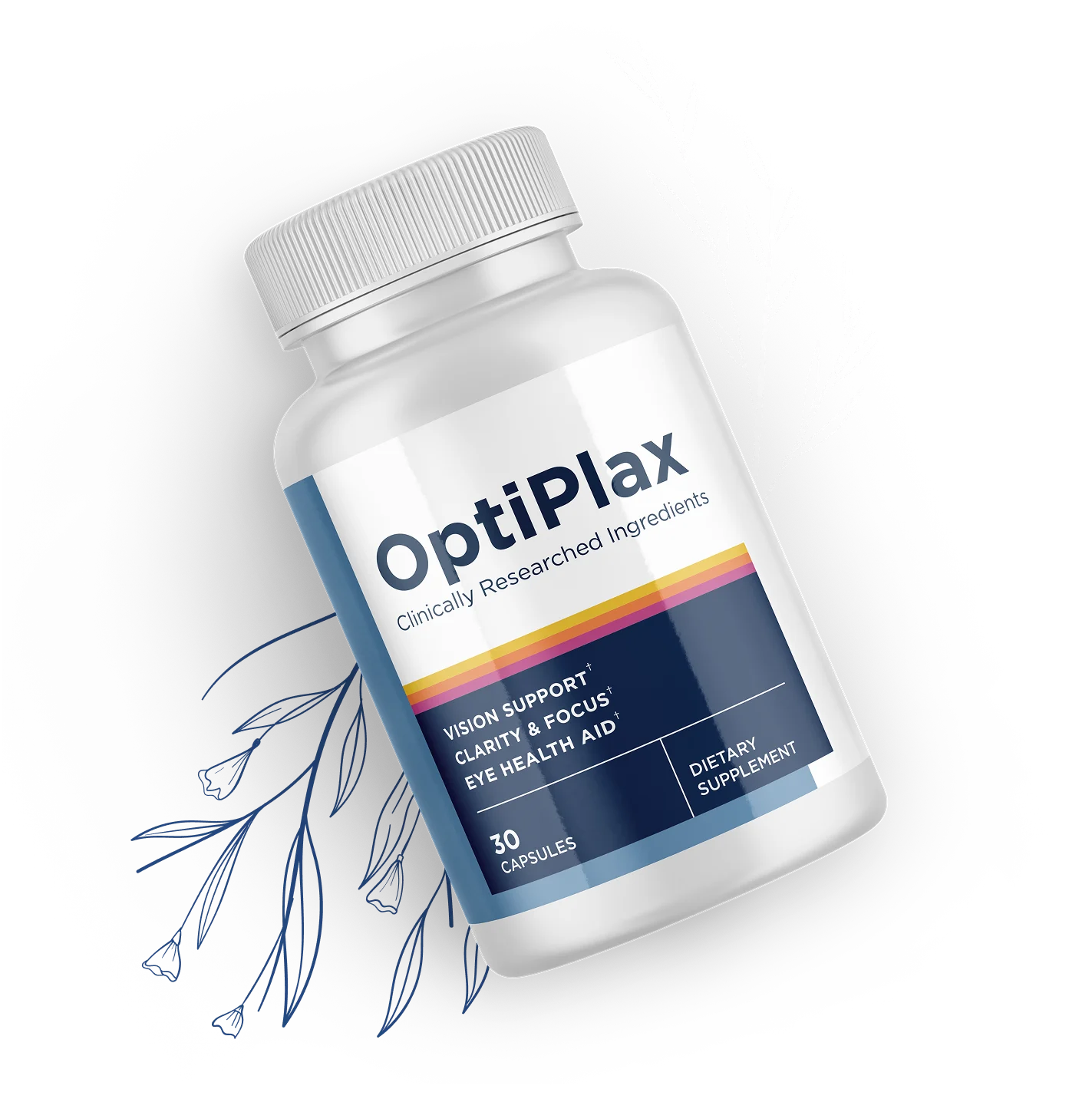
OptiPlex offers a specialized blend of natural ingredients designed to support macular health, protect against oxidative stress, and maintain sharp vision as you age. Formulated with key nutrients like Lutein, Zeaxanthin, and Astaxanthin, OptiPlex is your ally in the fight against age-related vision decline.
- ✓ Supports Macular Health & Function
- ✓ Protects Eyes from Oxidative Stress & Blue Light
- ✓ Enhances Visual Acuity & Clarity
- ✓ Made with Clinically Studied Natural Ingredients
- ✓ Backed by a 60-Day Money-Back Guarantee




What Our Customers Say About OptiPlex
"I was so worried about my deteriorating vision. After a few months of OptiPlex, I've noticed a significant improvement in clarity, especially when reading. It's like a fog has lifted!"
"My ophthalmologist recommended nutritional support for my early AMD. OptiPlex had all the ingredients I was looking for. I feel more confident about my eye health now, and my vision feels sharper."
"I've tried several eye supplements, but OptiPlex truly stands out. My night vision seems better, and the strain from computer work has lessened. Highly recommend for anyone serious about their vision."
Living with Macular Degeneration and Seeking Support
While a diagnosis of macular degeneration can be daunting, it's important to remember that you are not alone, and there are many resources available to help you adapt and maintain your quality of life.
For those living with AMD, **low vision aids** can be incredibly helpful. These include magnifiers, telescopes, specialized glasses, and electronic devices that enlarge text or images. Many organizations offer training and support to help individuals maximize their remaining vision and learn new ways to perform daily tasks.
Emotional support is also crucial. Connecting with support groups, either online or in person, can provide a sense of community and shared experience. Organizations dedicated to vision loss often provide valuable information, resources, and advocacy. Don't hesitate to reach out to your ophthalmologist, low vision specialist, or local vision impairment services for guidance and assistance.
Maintaining an optimistic outlook and actively engaging in your eye health journey, including regular check-ups, adhering to treatment plans, and adopting a healthy lifestyle, are key to living well with macular degeneration. While the journey may present challenges, with the right support and strategies, it is possible to continue enjoying many aspects of life.
Frequently Asked Questions
What exactly is macular degeneration?
+Macular degeneration, often referred to as age-related macular degeneration (AMD), is a common eye condition and a leading cause of vision loss among people 50 and older. It affects the macula, the central part of the retina responsible for sharp, detailed vision needed for tasks like reading, driving, and recognizing faces. AMD causes damage to the macula, leading to blurry central vision or blind spots, while peripheral vision usually remains unaffected.
What are the primary risk factors for developing AMD?
+The main risk factors for AMD include age (being over 50), genetics (a family history of AMD), smoking (which significantly increases risk), poor diet lacking in eye-protective nutrients, excessive exposure to UV light without protection, and certain cardiovascular conditions like high blood pressure and high cholesterol. Obesity and race (Caucasians have a higher risk) are also contributing factors.
Can lifestyle changes help prevent or slow the progression of macular degeneration?
+Absolutely. Lifestyle changes play a crucial role. Quitting smoking is paramount. Adopting a diet rich in fruits, vegetables, and omega-3 fatty acids, maintaining a healthy weight, exercising regularly, and protecting your eyes from UV radiation with sunglasses are all effective strategies. These habits can significantly reduce your risk and potentially slow the progression of AMD.
How does nutrition specifically impact macular health?
+Nutrition is vital for macular health. Specific nutrients like lutein, zeaxanthin, astaxanthin, zinc, and vitamins C and E are powerful antioxidants that help protect the macula from oxidative damage. Consuming foods rich in these nutrients, such as leafy green vegetables, colorful fruits, and fatty fish, can support retinal health and reduce the risk of AMD. The AREDS2 formula highlights the importance of this nutritional approach.
What role do supplements like OptiPlex play in supporting vision and macular health?
+Supplements like OptiPlex are designed to provide concentrated doses of the key nutrients that are beneficial for macular health, especially when dietary intake might be insufficient. They can complement a healthy diet by delivering specific antioxidants, vitamins, and minerals known to support retinal function, protect against oxidative stress, and potentially help maintain vision as we age. It's crucial to choose high-quality supplements and consult with a healthcare professional.
When should I consult an eye doctor about potential vision concerns?
+You should schedule an appointment with an eye doctor immediately if you notice any changes in your central vision, such as blurriness, distorted lines (straight lines appearing wavy), dark or empty spots in your field of vision, or difficulty seeing in low light. Regular comprehensive eye exams are also recommended, especially if you are over 50 or have risk factors for AMD, even if you don't experience symptoms.
Related Articles