Are You Giving Your Eyes the Natural Care They Deserve?
In our increasingly digital world, our eyes are constantly working overtime, exposed to screens, environmental stressors, and the inevitable march of time. Many people accept declining vision as an unavoidable part of aging, but the truth is, you have significant power to influence your eye health through natural means.
This comprehensive guide, authored by Ophthalmological Health Researcher Dr. Sandra Lee and reviewed by Board-Certified Ophthalmologist Dr. Andrew Wilson, M.D., will illuminate the most effective strategies to support your vision. We'll explore the vital role of specific vitamins, actionable lifestyle changes, and how to proactively address concerns like Macular Degeneration, helping you see clearly and brightly for years to come.
The Nutritional Foundation: Essential Vitamins for Optimal Eye Health
Our eyes are complex organs that require a steady supply of specific nutrients to function correctly and protect themselves from damage. Think of these vitamins and minerals as the building blocks and protective shields for your precious eyesight.
A diet rich in certain vitamins and antioxidants is not just good for your overall health; it's absolutely crucial for maintaining sharp vision and preventing various eye conditions, including the progression of Age-related Macular Degeneration (AMD). The macula, a small but vital part of your retina, is particularly vulnerable to oxidative stress, and specific nutrients play a key role in its defense.
Among the most researched and beneficial nutrients for eye health are carotenoids like Lutein and Zeaxanthin. These powerful antioxidants are naturally concentrated in the macula, where they form a protective pigment. They filter harmful blue light and neutralize free radicals, acting like internal sunglasses for your eyes. Studies, including the seminal AREDS and AREDS2 trials, have consistently shown that adequate intake of these nutrients, alongside others, can significantly reduce the risk of advanced AMD progression. For a deeper dive into these specific compounds, you might find our article on lutein-zeaxanthin-eye-supplement-review.html particularly insightful.
Beyond carotenoids, other vitamins and minerals contribute significantly:
- Vitamin C: A powerful antioxidant found in citrus fruits, bell peppers, and broccoli. It supports the health of blood vessels in the eyes and may help reduce the risk of cataracts and AMD.
- Vitamin E: Another potent antioxidant found in nuts, seeds, and leafy greens. It works in conjunction with Vitamin C and other antioxidants to protect eye cells from damage.
- Zinc: A vital trace mineral that helps bring Vitamin A from the liver to the retina to produce melanin, a protective pigment in the eyes. Zinc is highly concentrated in the eyes, particularly in the retina and choroid.
- Omega-3 Fatty Acids (DHA & EPA): Found abundantly in fatty fish like salmon and tuna, these essential fats are crucial for retinal health and may help prevent dry eyes and potentially reduce the risk of AMD.
- Vitamin A (Beta-carotene): Essential for good vision, particularly in low light. It's a component of rhodopsin, a protein in the eyes that absorbs light. Carrots are famously rich in beta-carotene.
Incorporating a variety of colorful fruits and vegetables, especially dark leafy greens, into your daily diet is the best way to ensure you're getting these vital nutrients. However, for some, dietary intake may not be sufficient, prompting the consideration of targeted supplementation, particularly if there's a family history of eye conditions or existing concerns.
💡 Key Takeaway
A diet rich in antioxidants like Lutein, Zeaxanthin, Vitamins C, E, and Zinc is fundamental for protecting eye cells, filtering harmful light, and reducing the risk of age-related eye diseases like Macular Degeneration.
Beyond the Plate: Lifestyle Habits for Lifelong Vision
Nutrition is paramount, but it's just one piece of the puzzle. Your daily habits and choices play an equally critical role in preserving and enhancing your eyesight. Adopting a holistic approach to eye care can make a profound difference.
Protect Your Eyes from UV Radiation
Just as your skin needs sun protection, so do your eyes. Prolonged exposure to harmful ultraviolet (UV) rays can increase the risk of cataracts, pinguecula, pterygium, and even contribute to Macular Degeneration. Always wear sunglasses that block 99-100% of both UVA and UVB rays when outdoors, even on cloudy days.
Manage Screen Time and Digital Eye Strain
The average adult spends several hours a day looking at digital screens, leading to symptoms like dry eyes, blurred vision, headaches, and neck pain – collectively known as digital eye strain. Practice the 20-20-20 rule: every 20 minutes, look at something 20 feet away for at least 20 seconds. Also, ensure your screen is at arm's length, slightly below eye level, and adjust brightness to match your surroundings.
Prioritize Regular Exercise and Healthy Weight
Physical activity isn't just for your heart and waistline; it benefits your eyes too. Regular exercise improves blood circulation, which ensures your eyes receive adequate oxygen and nutrients. It also helps manage conditions like diabetes and high blood pressure, both of which can lead to serious eye complications if left unchecked. Maintaining a healthy weight reduces your risk of developing these systemic diseases.
Stay Hydrated
Water is essential for every bodily function, including tear production. Dehydration can lead to dry, irritated eyes, exacerbating digital eye strain symptoms. Make sure to drink plenty of water throughout the day to keep your eyes moist and comfortable. Hydration also supports overall eye tissue health.
Get Enough Quality Sleep
While you sleep, your eyes get a much-needed rest and recovery period. Lack of sleep can lead to eye twitching, dry eyes, blurred vision, and general discomfort. Aim for 7-9 hours of quality sleep each night to allow your eyes to fully recharge and repair. This is a crucial, yet often overlooked, aspect of comprehensive eye care.
Quit Smoking
Smoking is one of the worst habits for your overall health, and your eyes are no exception. It significantly increases your risk of developing cataracts, Macular Degeneration, and optic nerve damage. The harmful chemicals in cigarettes restrict blood flow to the eyes and accelerate oxidative damage. Quitting smoking is one of the most impactful steps you can take for your long-term vision.
Understanding and Addressing Macular Degeneration Naturally
Age-related Macular Degeneration (AMD) is a leading cause of vision loss among older adults, affecting the macula, the central part of the retina responsible for sharp, detailed vision. While AMD has a genetic component and age is its primary risk factor, a proactive approach involving natural strategies can play a significant role in prevention and management.
AMD typically progresses slowly, often without noticeable symptoms in its early stages. However, as it advances, it can lead to blurred central vision, distorted vision (straight lines appearing wavy), and eventually blind spots, making daily activities like reading, driving, and recognizing faces challenging. There are two main types: dry AMD (more common and slower progressing) and wet AMD (less common but more severe and rapid).
The AREDS (Age-Related Eye Disease Study) and AREDS2 studies have been instrumental in identifying specific nutrient formulations that can slow the progression of intermediate to advanced dry AMD. These studies highlighted the importance of high doses of antioxidants (Vitamins C and E), Zinc, Copper, Lutein, and Zeaxanthin. While these studies focused on supplementation, the takeaway is clear: targeted nutrition is critical for macular health.
Beyond supplementation, the lifestyle factors discussed earlier are particularly vital for individuals at risk of or diagnosed with AMD. For instance, quitting smoking can dramatically reduce your risk, as smokers are up to four times more likely to develop AMD. Maintaining a diet rich in colorful fruits and vegetables, especially dark leafy greens, provides a natural source of the AREDS2 nutrients. Regular physical activity helps maintain overall cardiovascular health, which in turn supports healthy blood flow to the eyes, crucial for preventing cellular damage in the macula.
Furthermore, regular comprehensive eye exams are non-negotiable for early detection and monitoring of AMD. Your ophthalmologist can detect subtle changes in your macula long before you notice symptoms, allowing for timely intervention and guidance on lifestyle and nutritional strategies. For more detailed information on preventive measures, consider reading our article on macular-degeneration-prevention-vitamins.html.
While there is no cure for AMD, especially dry AMD, a combination of lifestyle modifications, a nutrient-dense diet, and targeted supplementation can significantly impact the disease's progression and help preserve your precious central vision. It's about empowering your body's natural defenses to protect your eyes.
Holistic Approaches to Support Your Vision
Regular Eye Exams
Don't wait for symptoms. Comprehensive eye exams can detect early signs of conditions like glaucoma, cataracts, and Macular Degeneration, often before you notice any changes. Early detection means earlier intervention and better outcomes.
Maintain Overall Health
Systemic diseases like diabetes, hypertension, and high cholesterol can have severe repercussions for your eyes. Managing these conditions through diet, exercise, and medication as prescribed by your doctor is crucial for preventing eye complications.
Balanced, Nutrient-Rich Diet
Focus on whole foods, especially those rich in antioxidants, omega-3s, and vitamins like C, E, and A. Think leafy greens, colorful berries, fatty fish, nuts, and seeds. A diverse diet ensures a broad spectrum of protective nutrients.
Adequate Sleep
Allow your eyes to rest and rejuvenate. Chronic sleep deprivation can lead to eye strain, dry eyes, and even affect your visual acuity over time. Aim for 7-9 hours of uninterrupted sleep nightly.
Stress Management
Chronic stress can impact various bodily systems, including your eyes. While direct links are still being researched, stress can exacerbate conditions like eye twitching and dry eyes. Incorporate relaxation techniques like meditation or yoga.
Cleanliness and Hygiene
Always wash your hands before touching your eyes, especially if you wear contact lenses. Poor hygiene can lead to eye infections, which can be painful and potentially vision-threatening. Replace cosmetics regularly and avoid sharing eye makeup.
When Natural Diet Needs a Boost: The Role of Eye Health Supplements
Despite our best efforts, it can be challenging to obtain optimal levels of every eye-supporting nutrient from diet alone. Soil depletion, cooking methods, and individual dietary restrictions can all play a role. This is where targeted eye health supplements can offer a valuable layer of support.
For individuals with specific risk factors, a family history of eye conditions like Macular Degeneration, or those already experiencing early signs of vision decline, a high-quality eye supplement can be a strategic addition to their natural eye health regimen. These supplements are often formulated to provide concentrated doses of the most beneficial nutrients, such as Lutein, Zeaxanthin, and the AREDS2 blend of vitamins and minerals.
It's crucial to choose supplements that are backed by science and contain bioavailable forms of ingredients. Look for products that are transparent about their ingredient list and dosages. While supplements are not a magic bullet, they can effectively complement a healthy diet and lifestyle, helping to fill nutritional gaps and provide extra protection against oxidative stress and age-related damage.
However, always remember that supplements are meant to supplement, not replace, a healthy diet and professional medical advice. Before starting any new supplement, it is highly recommended to consult with your ophthalmologist or general practitioner. They can assess your individual needs, potential interactions with other medications, and guide you toward the most appropriate choices for your specific eye health profile. For a broader perspective on maintaining eye health, you may also find our general guide on how-to-improve-eye-health-naturally.html helpful.
Key Ingredients for Vision Support: What to Look For
Understanding the core components that make an eye health supplement effective is crucial. Here are some of the most powerful natural ingredients, often found in comprehensive formulas like OptiPlex, that contribute to robust vision and macular protection.
Lutein
A potent carotenoid and antioxidant, Lutein is highly concentrated in the macula where it filters harmful blue light and protects against oxidative damage. It's vital for maintaining central vision acuity.
Dose: Typical Dose: 10-20 mg
Zeaxanthin
Working synergistically with Lutein, Zeaxanthin is another macular pigment carotenoid. It provides powerful antioxidant protection, supports visual processing, and enhances contrast sensitivity.
Dose: Typical Dose: 2-4 mg
Vitamin C (Ascorbic Acid)
A well-known antioxidant, Vitamin C is abundant in the aqueous humor of the eye. It helps protect against UV damage, supports collagen formation in the cornea, and may reduce the risk of cataracts and AMD.
Dose: Typical Dose: 250-500 mg
Vitamin E (Alpha-Tocopherol)
Another powerful fat-soluble antioxidant, Vitamin E protects cell membranes from oxidative damage. It works with Vitamin C and other antioxidants to safeguard eye tissues from free radical harm.
Dose: Typical Dose: 200-400 IU
Zinc
An essential trace mineral highly concentrated in the retina. Zinc plays a crucial role in bringing Vitamin A from the liver to the retina to create melanin, a protective pigment, and supports enzyme function for overall eye health.
Dose: Typical Dose: 25-80 mg
Copper
Often included with Zinc in eye supplements, Copper helps maintain the balance of minerals in the body. High doses of Zinc can sometimes deplete Copper, so it's added to prevent this imbalance.
Dose: Typical Dose: 1-2 mg
Bilberry Extract
Famous for its role in improving night vision during WWII, Bilberry contains anthocyanins, powerful antioxidants that support blood flow to the eyes, strengthen capillaries, and may improve visual acuity in low light.
Dose: Typical Dose: 80-160 mg
Grape Seed Extract
Rich in proanthocyanidins, Grape Seed Extract is a potent antioxidant that helps protect the delicate blood vessels of the eyes. It can improve circulation and reduce oxidative stress, contributing to overall retinal health.
Dose: Typical Dose: 50-100 mg
Ready to Give Your Eyes the Advanced Support They Deserve?
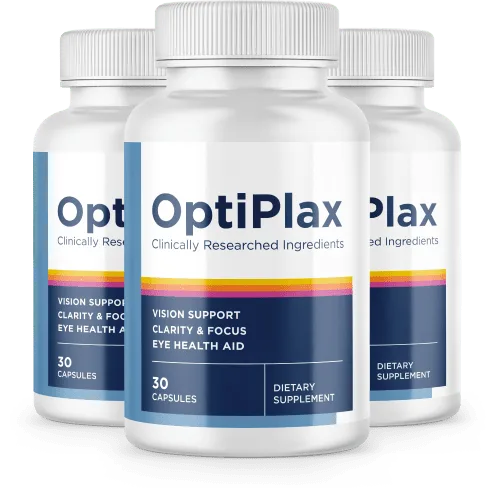
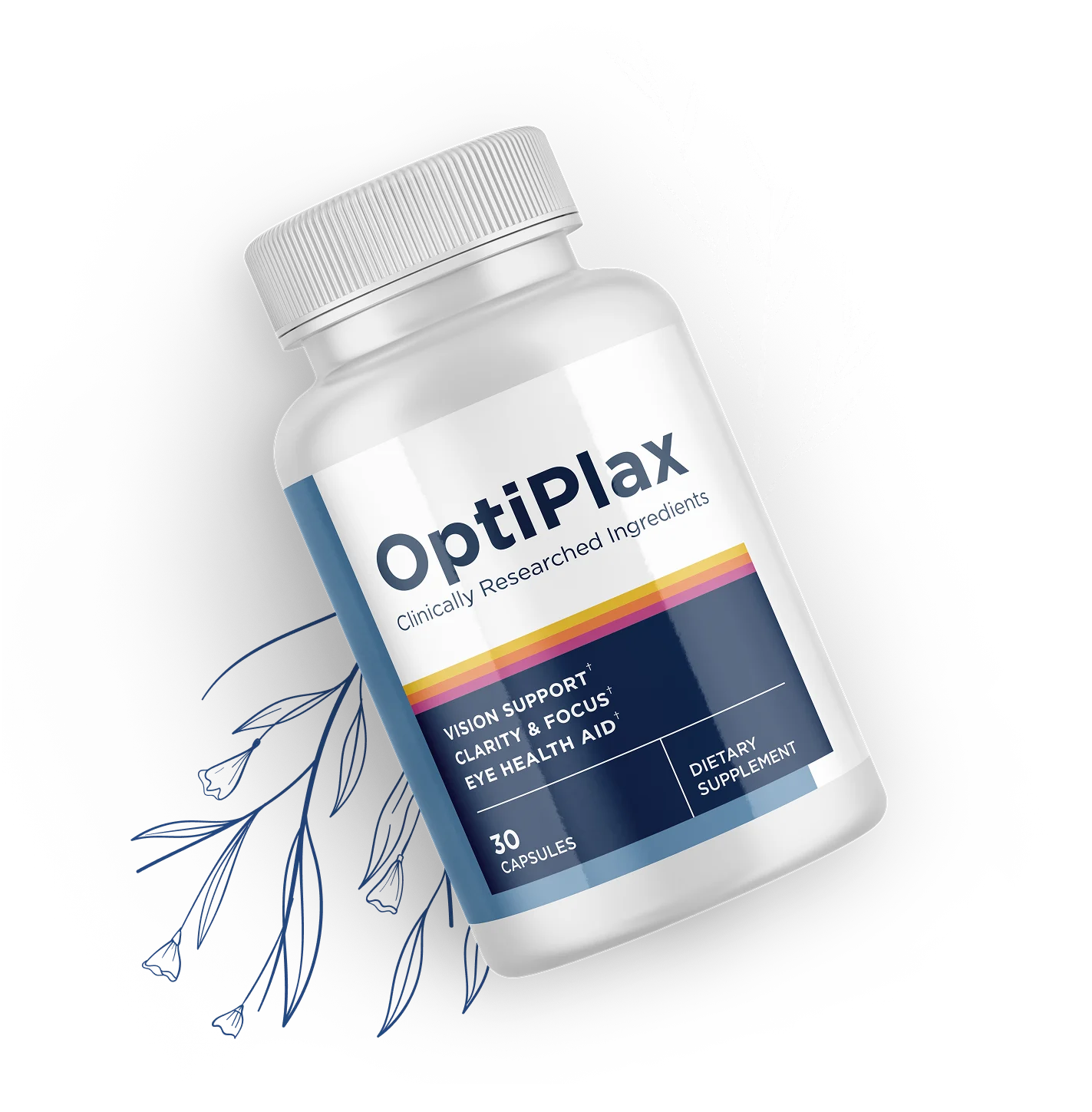
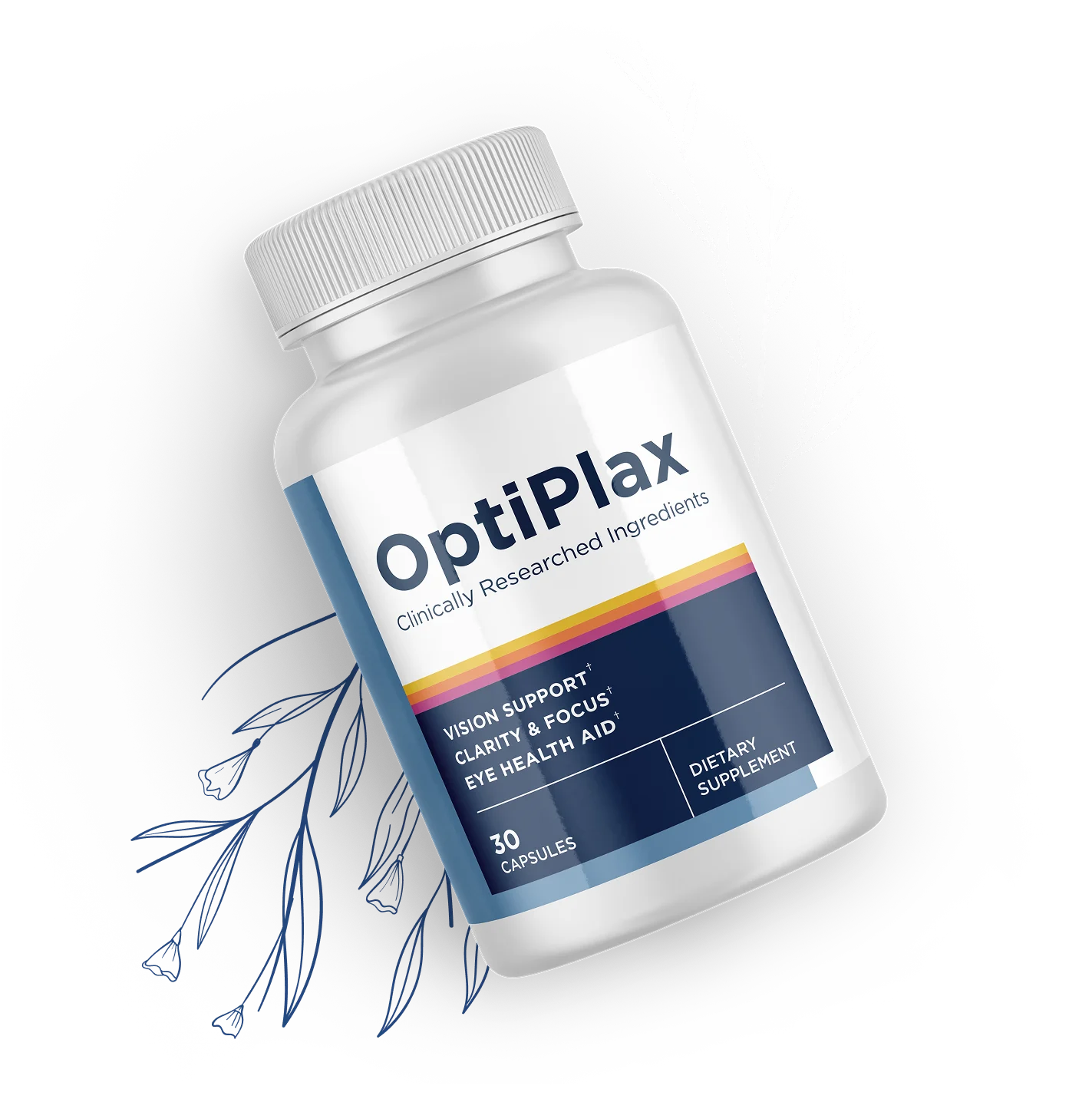
OptiPlex is a scientifically formulated natural supplement designed to provide comprehensive support for your vision. Crafted with a blend of powerful antioxidants, vitamins, and minerals, it aims to protect your eyes from daily stressors and promote long-term ocular health.
- ✓ Supports Macular Health
- ✓ Protects Against Blue Light Damage
- ✓ Enhances Visual Acuity
- ✓ Reduces Eye Strain
- ✓ Made with Natural, Clinically Studied Ingredients



What Our Customers Are Saying
"I've been using OptiPlex for three months now, and I've noticed a significant reduction in eye strain, especially after long days in front of the computer. My vision feels clearer, and my eyes don't feel as tired. Truly impressed!"
"As someone concerned about my family history of Macular Degeneration, I started taking OptiPlex on my doctor's recommendation. I feel more confident that I'm giving my eyes the best possible nutritional support. My last eye exam showed stable health."
"I used to get dry, itchy eyes frequently, but since incorporating OptiPlex into my daily routine, those issues have almost completely disappeared. It's a noticeable difference. I highly recommend it for anyone looking to improve their eye comfort."
Frequently Asked Questions
What are the most important vitamins for eye health?
+Key vitamins for eye health include Lutein, Zeaxanthin, Vitamin C, Vitamin E, and Zinc. These nutrients act as powerful antioxidants, protecting the delicate cells of your eyes from oxidative stress and supporting optimal retinal function.
Can lifestyle changes truly impact my vision?
+Absolutely. Lifestyle changes such as a balanced diet rich in eye-healthy nutrients, regular exercise, adequate sleep, protecting your eyes from UV light, and managing screen time can significantly contribute to maintaining and improving your vision over time.
How does Macular Degeneration affect vision?
+Macular Degeneration (AMD) primarily affects the macula, the central part of the retina responsible for sharp, detailed vision. It can lead to blurred central vision, distorted vision, and eventually blind spots, making activities like reading and recognizing faces difficult.
Are eye health supplements necessary if I eat a healthy diet?
+While a healthy diet is crucial, modern diets often lack sufficient amounts of certain eye-specific nutrients like Lutein and Zeaxanthin. Supplements can help bridge this nutritional gap, especially for individuals with increased risk factors for eye conditions or those not getting enough through diet alone. Always consult a healthcare professional.
What is the 20-20-20 rule for reducing eye strain?
+The 20-20-20 rule is a simple guideline to prevent digital eye strain: Every 20 minutes, look away from your screen at an object 20 feet away for at least 20 seconds. This helps your eye muscles relax and reduces fatigue.
Is OptiPlex suitable for everyone?
+OptiPlex is formulated with natural ingredients to support eye health. However, like any supplement, it's always recommended to consult with your doctor or an ophthalmologist before starting any new regimen, especially if you have pre-existing medical conditions, are pregnant, nursing, or taking other medications.
Related Articles