Are You Protecting Your Eyes from the Hidden Dangers of Diabetes?
Diabetes is a global health crisis, affecting millions worldwide. While often associated with blood sugar management and cardiovascular health, its insidious impact on vision is frequently underestimated. For individuals living with diabetes, the risk of developing severe eye conditions, including diabetic retinopathy, macular edema, cataracts, and glaucoma, is significantly elevated. These conditions can lead to irreversible vision loss and severely impact quality of life.
The good news is that with proactive management, including diligent blood sugar control, regular eye exams, and targeted nutritional support, much of this vision loss can be prevented. Understanding the critical role of specific nutrients and how they can bolster your ocular defenses is paramount in safeguarding your sight, especially against threats like Macular Degeneration and Vision Loss which are exacerbated by diabetic complications.
The Devastating Link Between Diabetes and Eye Health
Diabetes, particularly when blood sugar levels are poorly controlled, can wreak havoc on the delicate structures of the eye. The prolonged presence of high glucose in the bloodstream damages blood vessels throughout the body, and the eyes are particularly vulnerable.
The primary concern for individuals with diabetes is diabetic retinopathy, a condition where the blood vessels in the retina (the light-sensitive tissue at the back of the eye) are damaged. Initially, these vessels may swell and leak fluid or bleed, leading to blurred vision. In advanced stages, new, abnormal blood vessels can grow on the surface of the retina. These fragile vessels can bleed into the vitreous gel, causing severe vision impairment or even retinal detachment, a medical emergency. Diabetic macular edema (DME) often accompanies retinopathy, involving swelling of the macula – the central part of the retina responsible for sharp, detailed vision.
Beyond retinopathy, diabetes significantly increases the risk of other serious eye conditions. Cataracts, a clouding of the eye's natural lens, tend to develop earlier and progress more rapidly in people with diabetes. Similarly, the risk of glaucoma, a group of diseases that damage the optic nerve (often due to increased pressure inside the eye), is approximately twice as high for diabetics compared to the general population. The cumulative effect of these conditions can lead to profound and irreversible vision loss.
The underlying mechanisms involve chronic inflammation, increased oxidative stress, and impaired blood flow. High blood sugar levels lead to the formation of advanced glycation end products (AGEs), which stiffen blood vessels and promote inflammation. This creates a hostile environment for ocular tissues, accelerating cellular damage and compromising the eye's natural defense systems. Understanding these mechanisms is the first step towards effective prevention and management strategies.
💡 Key Takeaway
Diabetes significantly increases the risk of severe eye conditions like diabetic retinopathy, macular edema, cataracts, and glaucoma, primarily due to blood vessel damage, inflammation, and oxidative stress. Proactive management, including nutritional support, is crucial for vision preservation.
Beyond Blood Sugar Control: The Power of Nutrition for Eye Health
While maintaining optimal blood sugar, blood pressure, and cholesterol levels is undeniably critical for managing diabetic eye disease, these measures alone may not be sufficient to fully protect your vision. The eyes have specific nutritional requirements that, when met, can significantly bolster their resilience against diabetic damage.
A diet rich in antioxidants and anti-inflammatory compounds is essential. Foods like leafy greens, colorful fruits, fatty fish, and nuts provide a foundation of eye-supporting nutrients. However, due to modern farming practices, dietary restrictions, or increased bodily demands from chronic conditions like diabetes, it can be challenging to obtain sufficient amounts of these vital compounds through diet alone. This is where targeted nutritional supplementation becomes a powerful ally.
Specific vitamins, minerals, and plant extracts have been extensively studied for their roles in maintaining ocular health and combating the damaging effects of diabetes. These nutrients work synergistically to protect retinal cells, improve blood flow, reduce oxidative stress, and support the structural integrity of the eye. Incorporating them into your daily regimen can provide an extra layer of defense for your precious eyesight.
For more insights into natural ways to enhance your vision, consider reading our article on how to improve eye health naturally, which delves into various lifestyle and dietary strategies that complement supplementation.
Essential Nutrients for Diabetic Eye Protection
Several key nutrients have been identified as crucial for supporting eye health, particularly in the context of diabetes. These compounds work to neutralize free radicals, reduce inflammation, strengthen blood vessels, and maintain the health of the macula.
Lutein and Zeaxanthin
These powerful carotenoids are concentrated in the macula, where they act as natural sunscreens and potent antioxidants. They filter harmful blue light and neutralize free radicals, protecting the delicate photoreceptor cells from damage. Studies suggest they can improve visual acuity and contrast sensitivity, and may reduce the risk of age-related macular degeneration (AMD), a condition exacerbated by diabetes. Their protective role is vital for maintaining central vision.
Vitamins C and E
These are cornerstone antioxidants. Vitamin C is highly concentrated in the aqueous humor of the eye, protecting against oxidative stress and supporting collagen production for structural integrity. Vitamin E works in conjunction with Vitamin C to protect cell membranes from free radical damage, particularly in the retina. Together, they form a formidable defense against cellular damage caused by high blood sugar and inflammation, which are prevalent in diabetic individuals.
Zinc
Zinc is an essential trace mineral found in high concentrations in the eye, particularly in the retina and choroid. It plays a critical role in the metabolism of visual pigments and helps transport Vitamin A from the liver to the retina to produce melanin, a protective pigment. Zinc also functions as an antioxidant and is crucial for the activity of many enzymes involved in eye health. Deficiency can impair night vision and contribute to macular damage.
Bilberry Extract
Rich in anthocyanins, bilberry is celebrated for its ability to strengthen blood vessel walls and improve circulation, particularly in the tiny capillaries of the eye. This is especially beneficial for diabetic individuals whose ocular blood vessels are prone to damage. Bilberry may help reduce capillary fragility, improve night vision, and support overall retinal microcirculation, offering a protective effect against diabetic retinopathy.
Alpha-Lipoic Acid (ALA)
A powerful antioxidant, ALA is unique in its ability to be both water and fat-soluble, allowing it to work in all parts of the body, including the eyes. It regenerates other antioxidants like Vitamins C and E, and glutathione, enhancing the body's overall antioxidant defense. ALA has shown promise in protecting against nerve damage (neuropathy), which can affect the eyes, and may help improve blood flow and reduce oxidative stress in diabetic conditions.
Omega-3 Fatty Acids (DHA & EPA)
Found abundantly in fatty fish, these essential fatty acids are vital components of retinal cell membranes. They play a crucial role in maintaining retinal structure and function, reducing inflammation, and supporting healthy blood flow to the eyes. Omega-3s may help mitigate the inflammatory processes that contribute to diabetic retinopathy and macular edema, promoting overall ocular health and visual clarity.
Holistic Strategies for Comprehensive Eye Protection
While targeted supplementation offers a significant advantage, it's crucial to remember that it's part of a larger, holistic approach to diabetic eye care. Integrating multiple strategies provides the most robust defense against vision loss.
Strict Blood Sugar Management: This remains the cornerstone of preventing and slowing the progression of diabetic eye disease. Consistent control of HbA1c levels is paramount. Work closely with your healthcare team to establish and maintain your target ranges.
Regular Comprehensive Eye Exams: Even if you have no symptoms, annual dilated eye exams are non-negotiable for individuals with diabetes. Early detection of retinopathy and other conditions allows for timely intervention, often before significant vision loss occurs. Your ophthalmologist can monitor changes and recommend treatments like laser therapy or injections if necessary.
Blood Pressure and Cholesterol Control: High blood pressure and elevated cholesterol further exacerbate blood vessel damage in the eyes. Managing these conditions through diet, exercise, and medication (if prescribed) is essential for overall vascular health, including ocular circulation.
Healthy Lifestyle Choices: Quitting smoking is one of the most impactful steps you can take, as smoking severely damages blood vessels. Regular physical activity improves circulation and helps manage blood sugar. A balanced diet, rich in whole foods, supports overall health and provides many foundational nutrients for your eyes.
Protection from Environmental Factors: Wear sunglasses that block 100% of UVA and UVB rays when outdoors to protect your eyes from harmful UV radiation. Additionally, prolonged exposure to blue light from digital screens can contribute to eye strain and potentially damage retinal cells. Consider protective measures like blue light filtering glasses or screen settings. For more information, you can refer to our article on blue light eye damage from screens.
OptiPlex: A Targeted Approach to Diabetic Eye Health Support
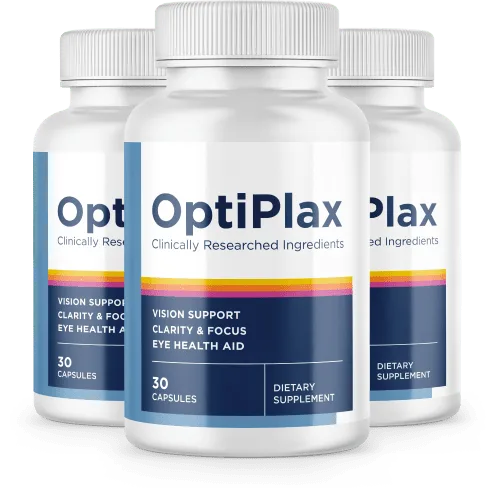
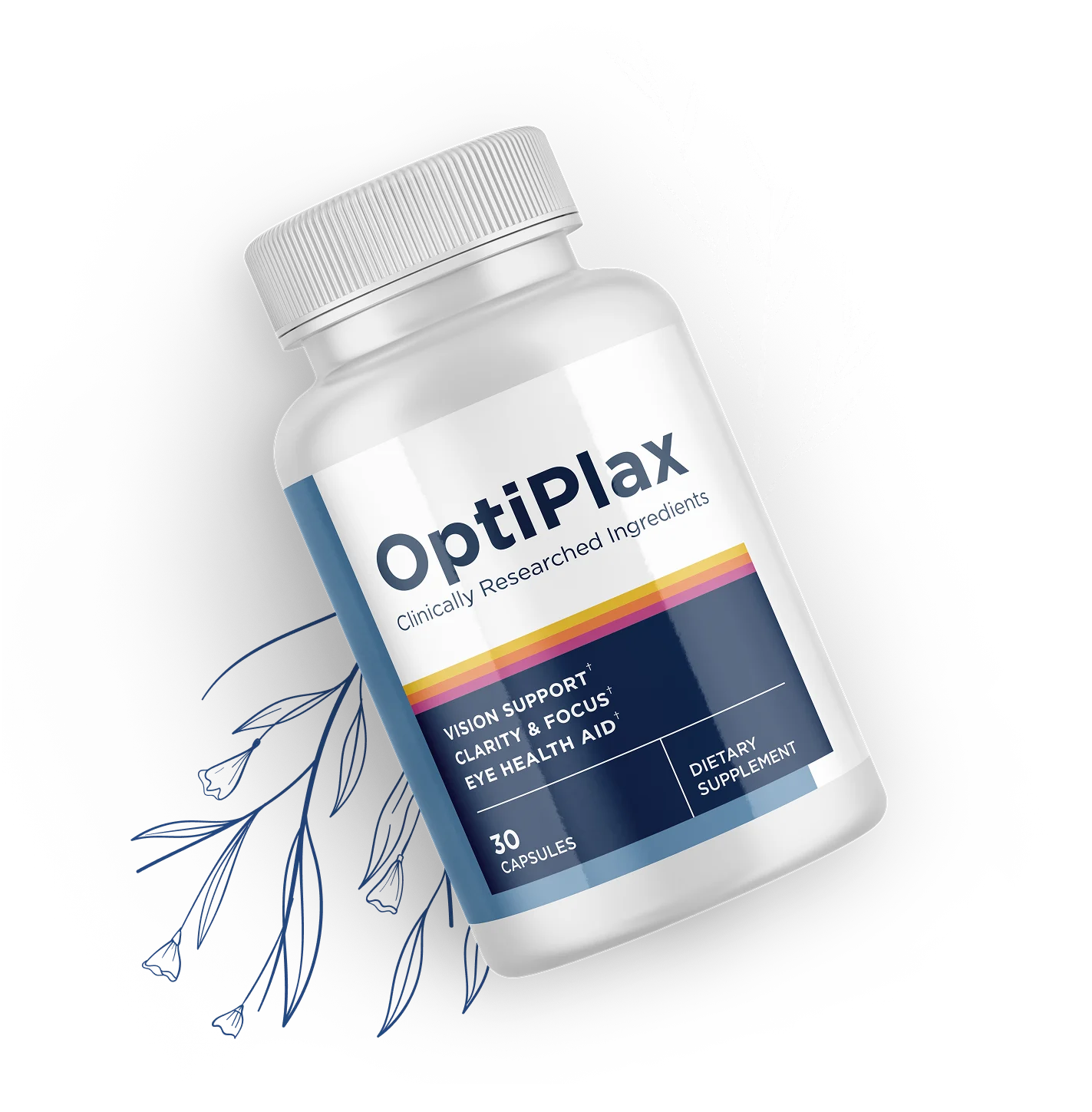
In the complex landscape of diabetic eye care, finding a reliable and comprehensive nutritional supplement can be a game-changer. OptiPlex is formulated to provide a synergistic blend of the most critical nutrients known to support ocular health, specifically addressing the challenges faced by individuals with diabetes or those concerned about age-related vision decline.
Comprehensive Formula
OptiPlex combines a powerful array of vitamins, minerals, and plant extracts, each chosen for its scientifically-backed role in eye protection. This includes high potencies of Lutein and Zeaxanthin, alongside essential antioxidants like Vitamins C and E, and vital minerals such as Zinc and Copper. The formula also integrates potent botanicals like Bilberry, known for its vascular benefits.
Targets Key Mechanisms
The ingredients in OptiPlex are specifically selected to combat the primary mechanisms of diabetic eye damage: oxidative stress, inflammation, and impaired blood flow. By providing robust antioxidant support, reducing inflammatory pathways, and strengthening ocular microcirculation, OptiPlex helps to create a healthier environment for retinal cells and visual function.
Natural & High Quality
OptiPlex is committed to purity and potency. Crafted from all-natural ingredients, it is manufactured in a GMP-certified facility in the USA, ensuring the highest standards of quality and safety. This dedication means you receive a product free from unnecessary fillers, artificial ingredients, or harmful contaminants, giving you peace of mind about what you're putting into your body.
Supports Macular Health
With a strong emphasis on Lutein and Zeaxanthin, OptiPlex provides crucial support for the macula, the central part of your retina responsible for sharp, detailed vision. Protecting the macula is vital, especially given the increased risk of macular degeneration and diabetic macular edema in individuals with diabetes. Regular supplementation can help maintain macular pigment density and function.
Promotes Overall Vision Clarity
Beyond specific conditions, OptiPlex's comprehensive nutrient profile works to enhance overall visual performance. Users may experience improvements in night vision, contrast sensitivity, and a reduction in eye fatigue, contributing to a greater sense of visual comfort and clarity in daily life. This holistic support helps maintain the vitality of your eyes for years to come.
Key Ingredients in OptiPlex for Superior Eye Support
OptiPlex's advanced formula is built upon a foundation of clinically studied ingredients, each playing a vital role in protecting and enhancing eye health, especially for those managing diabetes.
Lutein & Zeaxanthin
Role: These carotenoids are powerful antioxidants concentrated in the macula, filtering harmful blue light and neutralizing free radicals. They protect photoreceptors and maintain macular pigment density, crucial for sharp central vision.
Typical dosage: 10-20 mg Lutein, 2-4 mg ZeaxanthinVitamin C (Ascorbic Acid)
Role: A potent antioxidant abundant in the eye's aqueous humor, Vitamin C helps protect against oxidative damage and supports the health of blood vessels and collagen in ocular tissues.
Typical dosage: 250-500 mgVitamin E (Alpha-Tocopherol)
Role: Another powerful fat-soluble antioxidant, Vitamin E protects cell membranes from free radical damage, working synergistically with Vitamin C to bolster the eye's antioxidant defenses.
Typical dosage: 100-400 IUZinc (as Zinc Oxide)
Role: Essential for retinal health, Zinc helps transport Vitamin A, produces protective melanin, and acts as a cofactor for numerous enzymes involved in eye function and antioxidant processes.
Typical dosage: 25-80 mgCopper (as Cupric Oxide)
Role: Often included with Zinc, Copper is vital to maintain balance and prevent deficiency, as high doses of Zinc can deplete Copper. It supports antioxidant enzymes and overall ocular health.
Typical dosage: 1-2 mgBilberry Extract
Role: Rich in anthocyanins, Bilberry strengthens blood vessel walls, improves microcirculation to the eyes, and enhances night vision, offering protection against diabetic vascular damage.
Typical dosage: 50-100 mg (standardized extract)Alpha-Lipoic Acid (ALA)
Role: A unique antioxidant that is both water and fat-soluble, ALA regenerates other antioxidants and helps protect against nerve damage and oxidative stress in the eyes, particularly relevant for diabetes.
Typical dosage: 100-300 mgChromium (as Chromium Picolinate)
Role: While not a direct eye nutrient, Chromium plays a role in glucose metabolism and insulin sensitivity, indirectly supporting overall health and potentially reducing the impact of high blood sugar on eye tissues.
Typical dosage: 100-200 mcgResveratrol
Role: A powerful polyphenol known for its antioxidant and anti-inflammatory properties, Resveratrol can help protect retinal cells from damage and support healthy blood vessel function in the eyes.
Typical dosage: 50-150 mg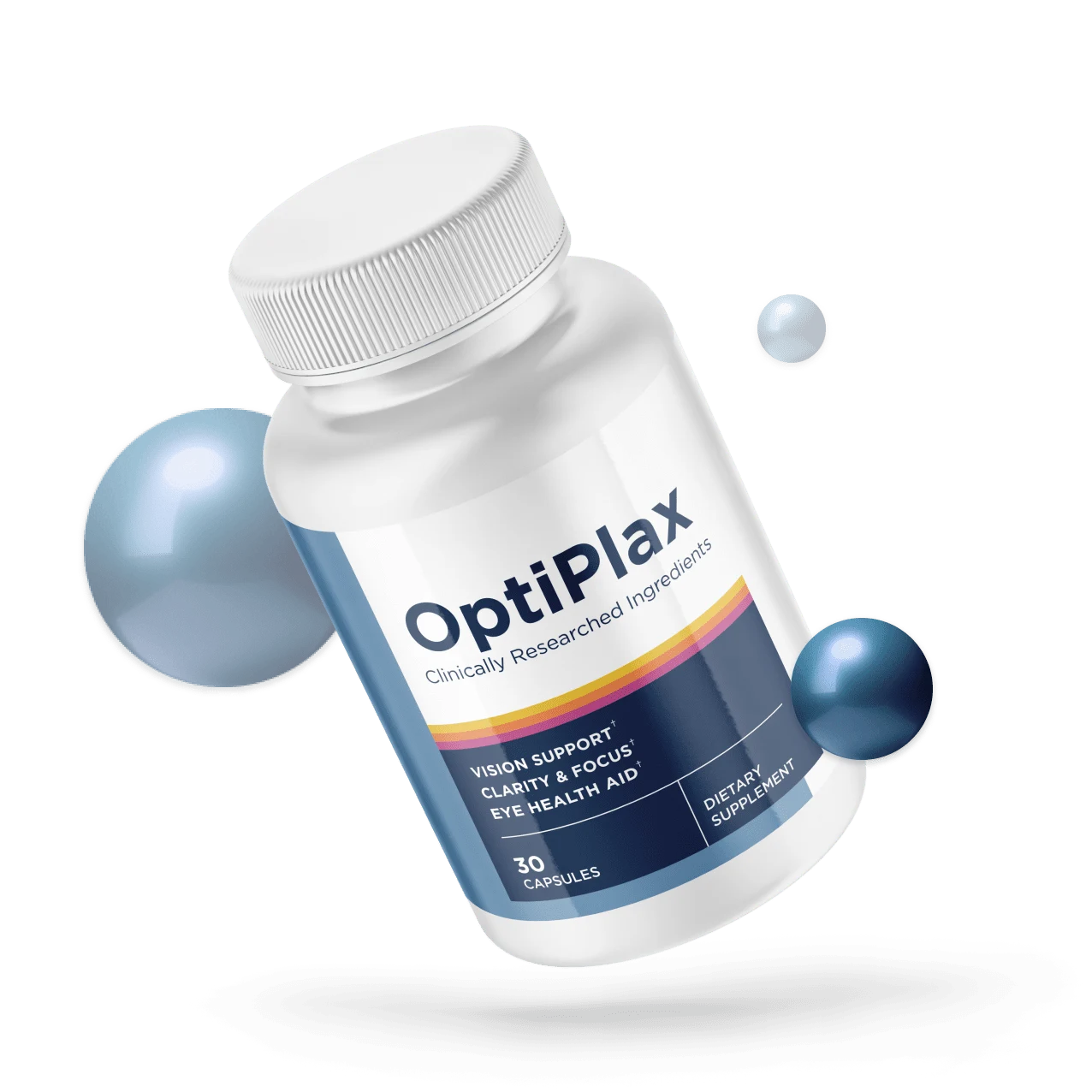
Protect Your Precious Vision with OptiPlex Today
Don't let diabetes silently steal your sight. Take a proactive step towards preserving your vision with OptiPlex, the advanced eye health supplement designed to support and protect your eyes against the challenges of diabetes and aging. With a powerful blend of clinically-backed nutrients, OptiPlex offers a comprehensive defense for your ocular health.
- ✓ Supports Macular Health & Central Vision
- ✓ Potent Antioxidant Protection for Retinal Cells
- ✓ Enhances Blood Flow to Ocular Tissues
- ✓ Reduces Oxidative Stress & Inflammation
- ✓ Made with All-Natural, High-Quality Ingredients




What Our Customers Say About OptiPlex
"As a diabetic, I was always worried about my eyes. Since starting OptiPlex a few months ago, I feel much more confident. My vision feels clearer, and my last eye check-up was very encouraging. It's a relief to know I'm doing something proactive."
"OptiPlex has made a noticeable difference in my daily vision comfort. I used to experience more dryness and strain, especially after looking at screens. Now, my eyes feel less fatigued, and colors seem more vibrant. Highly recommend for anyone concerned about long-term eye health."
"I've been taking OptiPlex for six months, and I can genuinely say my vision seems more stable. My doctor emphasized the importance of antioxidants for my diabetic eyes, and this supplement provides exactly that. It's easy to take and I trust the natural ingredients."
Frequently Asked Questions
How does diabetes specifically affect eye health?
+Diabetes primarily affects eye health by damaging the tiny blood vessels in the retina, a condition known as diabetic retinopathy. High blood sugar levels weaken these vessels, leading to leakage, swelling, and the growth of abnormal new blood vessels. This can result in blurred vision, floaters, and, if left untreated, severe vision loss or blindness. Diabetes also increases the risk of other eye conditions such as diabetic macular edema, cataracts, and glaucoma.
What are the early warning signs of diabetic eye disease?
+Early diabetic eye disease often presents with no noticeable symptoms, which is why regular comprehensive eye exams are crucial. When symptoms do appear, they might include blurred or fluctuating vision, dark spots or floaters, difficulty seeing at night, reduced color vision, or a sudden loss of vision. These symptoms can indicate serious damage, and immediate medical attention is necessary.
Can diet and lifestyle changes help protect my eyes if I have diabetes?
+Absolutely. Maintaining strict control over blood sugar levels, blood pressure, and cholesterol through diet and lifestyle is the cornerstone of protecting eye health with diabetes. A balanced diet rich in fruits, vegetables, and lean proteins, regular physical activity, maintaining a healthy weight, and avoiding smoking are all vital steps. These actions help reduce inflammation and oxidative stress, which are major contributors to diabetic eye complications.
Which nutritional supplements are most beneficial for diabetic eye health?
+Key nutrients beneficial for diabetic eye health include antioxidants like Lutein, Zeaxanthin, Vitamin C, and Vitamin E, which protect against oxidative damage. Zinc supports retinal health, while Bilberry is known for its vascular benefits. Alpha-Lipoic Acid, Omega-3 fatty acids, and Chromium can also play roles in supporting nerve function, reducing inflammation, and improving insulin sensitivity, indirectly benefiting ocular health.
Is OptiPlex safe for individuals with diabetes?
+OptiPlex is formulated with natural ingredients known for their eye health benefits. While designed to be generally safe, individuals with diabetes should always consult their healthcare provider before starting any new supplement regimen. This is especially important to ensure there are no interactions with existing medications or specific health conditions. Your doctor can provide personalized advice based on your individual health profile.
How long does it take to see results from eye health supplements like OptiPlex?
+The timeline for seeing results from eye health supplements can vary significantly among individuals, depending on factors such as the severity of existing conditions, adherence to dosage, and overall health. While some individuals may notice improvements in visual comfort or clarity within a few weeks to months, consistent, long-term use is generally recommended for optimal and sustained benefits. Supplements work to support and protect eye health over time, rather than providing immediate cures.
Related Articles