Are your digital screens slowly dimming your world?
In our increasingly digital world, screens are an inescapable part of daily life. From the moment we wake up to check our phones to hours spent working on computers and unwinding with streaming services, our eyes are constantly bombarded. While these devices offer unparalleled convenience and connectivity, they also expose us to a significant amount of blue light, a high-energy segment of the visible light spectrum.
The implications of this constant exposure are far-reaching, extending beyond temporary eye fatigue to potential long-term damage. Understanding the science behind blue light's effects on our vision, particularly its link to conditions like macular degeneration and vision loss, is crucial for proactive eye health. This comprehensive guide will illuminate the challenges and equip you with practical, science-backed strategies to protect your precious eyesight in the digital age.
The Digital Dilemma: Understanding Blue Light and Its Pervasive Presence
Blue light is an integral part of the visible light spectrum, but its modern-day amplification through technology raises critical questions about our long-term eye health.
In the vast spectrum of visible light, blue light occupies a unique position. Characterized by its short wavelength and high energy, it falls between approximately 400 and 500 nanometers. While the sun is our primary and most potent natural source of blue light, regulating our circadian rhythm and boosting alertness, it's the artificial sources that have become a pervasive concern in contemporary society. Every smartphone, tablet, computer monitor, television screen, and even the energy-efficient LED lighting in our homes and offices, emits a significant amount of blue light. Unlike natural light cycles, which gradually shift, our exposure to artificial blue light is often sustained and up-close, creating an unprecedented challenge for our visual system.
The sheer volume of time spent interacting with digital screens means our eyes are constantly absorbing these high-energy rays. A typical office worker might spend eight hours or more in front of a computer, followed by evening hours engrossed in a smartphone or tablet. This continuous, close-range exposure is a relatively new phenomenon in human history, and our eyes, evolved over millennia under natural light conditions, are still adapting. The concern isn't merely about the presence of blue light, but the intensity, proximity, and duration of our exposure, which can overwhelm the eyes' natural protective mechanisms. Understanding this fundamental shift in our visual environment is the first step towards mitigating potential harm and preserving our eyesight for the future. The implications of this constant interaction demand a deeper dive into how blue light truly impacts our vision, from immediate discomfort to potential long-term risks.
💡 Key Takeaway
Blue light, a high-energy component of visible light, is increasingly prevalent from digital screens and LEDs. While naturally occurring, excessive, close-range, and prolonged exposure from artificial sources poses significant risks to eye health, demanding proactive protective measures.
Immediate Impact: Digital Eye Strain and Sleep Disruption
Beyond the subtle glow, blue light can trigger a cascade of immediate symptoms, disrupting comfort and vital bodily functions.
Digital Eye Strain (DES)
Often referred to as computer vision syndrome, DES is a collection of eye and vision-related problems that result from prolonged computer, tablet, e-reader, and cell phone use. Symptoms include dry eyes, blurred vision, headaches, neck and shoulder pain, and eye irritation. Blue light contributes to DES by causing glare and reducing contrast, forcing the eyes to work harder to focus.
Disrupted Sleep Cycles
Blue light significantly impacts our circadian rhythm, the body's natural sleep-wake cycle. Exposure to blue light, particularly in the evening hours, suppresses the production of melatonin, a hormone critical for inducing sleep. This disruption can lead to difficulty falling asleep, reduced sleep quality, and subsequent daytime fatigue, impacting overall health and cognitive function.
Reduced Blink Rate
When we focus intently on digital screens, our blink rate can decrease by as much as 50%. This reduction in blinking leads to insufficient lubrication of the eyes, exacerbating symptoms of dry eye syndrome. The tear film, which protects and nourishes the eye's surface, evaporates more quickly, leaving eyes feeling gritty, irritated, and fatigued.
Increased Ocular Fatigue
The high energy of blue light scatters more easily than other visible light, reducing contrast and making it harder for the eyes to focus. This constant struggle to maintain focus, combined with reduced blinking and glare, places considerable strain on the ciliary muscles within the eye, leading to significant ocular fatigue, especially after extended periods of screen use.
The Deeper Concern: Blue Light, Retinal Damage, and Macular Degeneration
While immediate discomfort is noticeable, the long-term implications of blue light exposure on the retina present a more profound threat to sustained vision.
Beyond the temporary nuisances of digital eye strain and sleep disturbances, a more insidious threat looms with prolonged blue light exposure: potential damage to the retina, particularly the macula. The macula is a small but critical part of the retina responsible for our sharp, central vision, allowing us to see fine details, recognize faces, and read. Damage to this area can lead to macular degeneration and severe vision loss, a condition that currently affects millions globally.
The mechanism behind this potential damage is rooted in blue light's high energy. Unlike red or green light, blue light penetrates deep into the eye, reaching the retina largely unfiltered by the cornea and lens. Once it reaches the delicate photoreceptor cells of the retina, its high energy can trigger photochemical reactions. These reactions generate reactive oxygen species (free radicals), leading to oxidative stress. This oxidative stress can harm the retinal pigment epithelium (RPE) cells, which are crucial for supporting and nourishing the photoreceptors. Over time, chronic oxidative stress and damage to the RPE can lead to the deterioration of the macula, a hallmark of age-related macular degeneration (AMD).
Research, both in vitro and in animal models, has consistently demonstrated blue light's capacity to induce retinal cell death. While human studies are ongoing and complex, the cumulative evidence points to a plausible link between excessive blue light exposure and an increased risk of AMD progression. This is particularly concerning given the exponential increase in screen time across all age groups. Children, whose ocular lenses are clearer and less able to filter blue light than adults, may be particularly vulnerable to these long-term effects. The vision loss associated with AMD is irreversible and can severely impair quality of life, making proactive protection against blue light not just a matter of comfort, but a critical strategy for lifelong visual health.
Proactive Protection: Multi-Faceted Strategies for Safeguarding Your Vision
Protecting your eyes from the detrimental effects of blue light requires a comprehensive approach, combining behavioral changes, technological aids, and nutritional support.
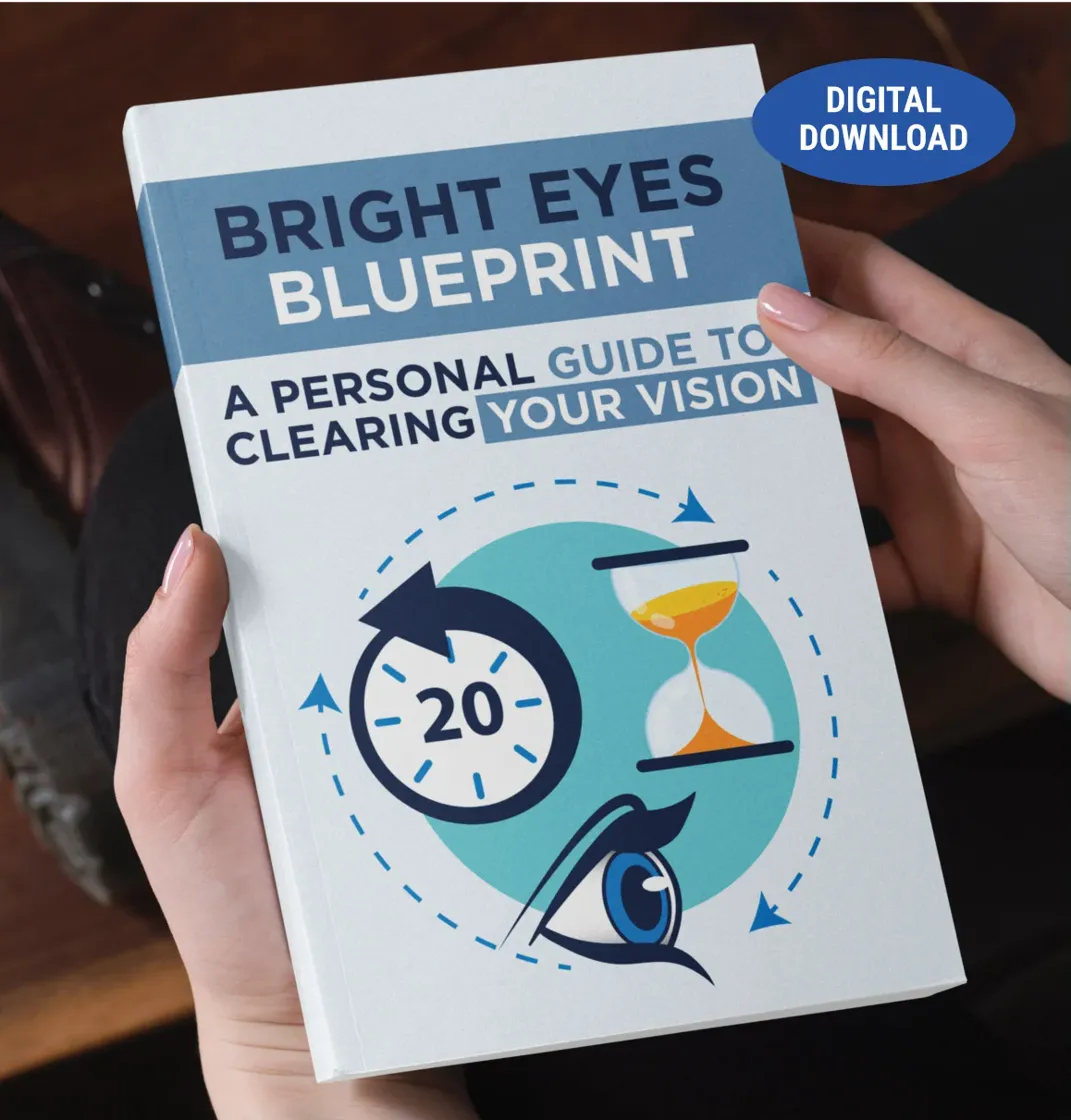
Adopt the 20-20-20 Rule and Take Regular Breaks
One of the simplest yet most effective strategies for reducing digital eye strain is the "20-20-20 rule." Every 20 minutes, take a 20-second break to look at something at least 20 feet away. This helps to relax your eye muscles and allows for natural blinking, combating dryness. Additionally, aim for longer breaks every hour or two, stepping away from your screen entirely to rest your eyes and move your body.
Utilize Blue Light Filtering Technologies
Many digital devices now come with built-in "night mode" or blue light filter settings that can be activated, especially in the evening. These settings shift the screen's color temperature towards warmer tones, reducing blue light emission. You can also purchase blue light filtering screen protectors for your devices or invest in computer glasses with lenses specifically designed to block or filter blue light, often with anti-reflective coatings to reduce glare.
Optimize Your Workspace and Lighting
Proper ergonomics and lighting are crucial. Position your screen approximately 20-28 inches from your eyes, with the top of the monitor at or slightly below eye level. Ensure your workspace is well-lit but avoid harsh overhead lighting or glare directly on your screen. Adjust screen brightness to match your surrounding environment, and consider using matte screen filters to minimize reflections.
Prioritize a Nutrient-Rich Diet for Eye Health
Your diet plays a fundamental role in maintaining robust eye health. Incorporate foods rich in antioxidants like lutein and zeaxanthin (found in leafy greens such as spinach and kale, and colorful vegetables like corn and bell peppers), Omega-3 fatty acids (from fish like salmon and tuna), and vitamins C and E. These nutrients help fortify the macula and protect against oxidative stress induced by blue light.
Consider Targeted Nutritional Support
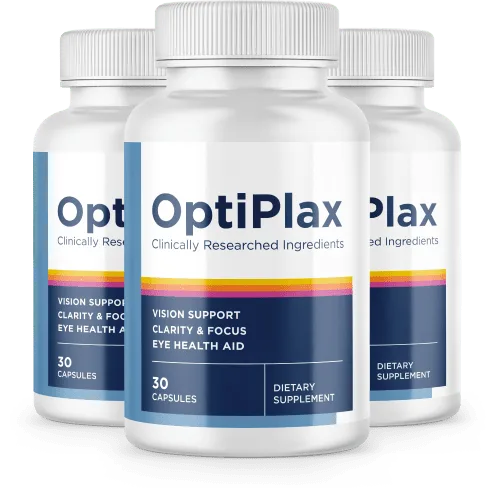
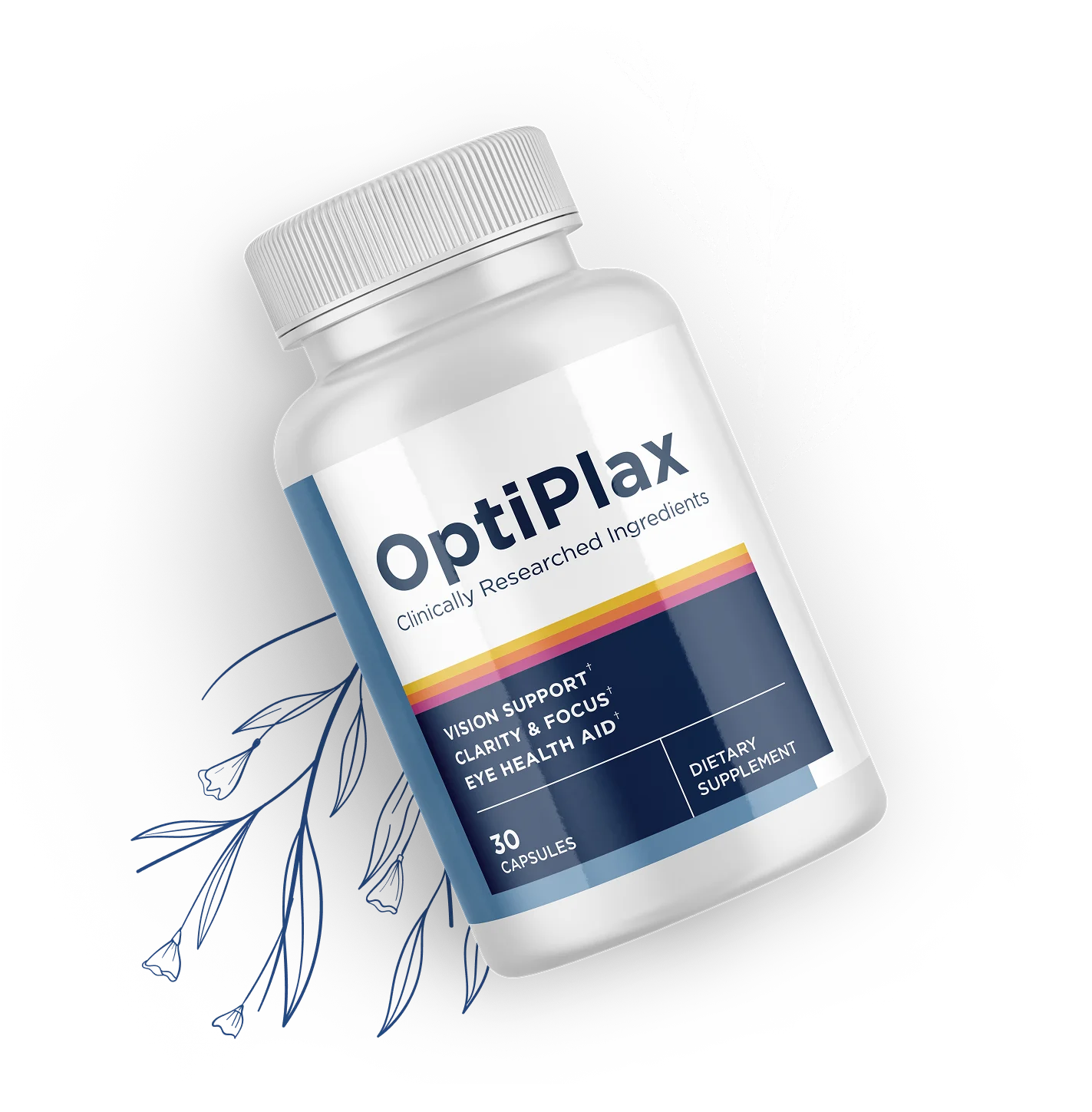
For individuals with high screen exposure, a family history of eye conditions, or those seeking an extra layer of protection, specific eye health supplements can be beneficial. Products like OptiPlex are formulated with a synergistic blend of vitamins, minerals, and potent antioxidants known to support macular health, enhance visual acuity, and provide defense against environmental stressors including blue light. These supplements are designed to complement a healthy diet and lifestyle.
Schedule Regular Comprehensive Eye Exams
Even if you don't experience noticeable symptoms, routine eye examinations are vital. A comprehensive eye exam can detect early signs of eye conditions, including those potentially linked to blue light damage or macular degeneration, before they become severe. Your ophthalmologist can also offer personalized advice on blue light protection, screen habits, and nutritional recommendations tailored to your specific needs and risk factors.
The Power of Nutrition: Essential Nutrients for Vision Protection
Beyond external filters and screen breaks, what we put into our bodies is equally crucial for building strong internal defenses against blue light and oxidative stress.
Our eyes, particularly the delicate macula and retina, are highly susceptible to oxidative damage from environmental factors, including the high-energy blue light emitted by digital screens. Fortunately, nature provides powerful allies in the form of specific nutrients that can help fortify our visual system. These compounds act as internal filters and antioxidants, neutralizing harmful free radicals before they can inflict damage on retinal cells. A diet rich in these key nutrients is the cornerstone of long-term eye health, offering a protective shield from within.
Among the most critical are the carotenoids, specifically **Lutein** and **Zeaxanthin**. These vibrant pigments are naturally concentrated in the macula, where they form the macular pigment. This pigment acts as a natural "sunglasses" for the retina, absorbing up to 90% of harmful blue light before it can reach the photoreceptors. Beyond their filtering capabilities, lutein and zeaxanthin are potent antioxidants, scavenging free radicals and reducing oxidative stress. Studies have shown that higher dietary intake and macular pigment density are associated with a reduced risk of Age-related Macular Degeneration (AMD) and improved visual performance in conditions of glare.
Another vital nutrient is **Astaxanthin**, often referred to as "the king of carotenoids." This powerful antioxidant, derived from microalgae, is known for its ability to cross the blood-retinal barrier, delivering its protective benefits directly to the eye. Astaxanthin's antioxidant power is significantly greater than that of Vitamin E, making it exceptionally effective at combating oxidative stress and inflammation within ocular tissues. Research suggests it can help reduce eye fatigue, improve blood flow to the eyes, and enhance visual acuity, particularly in individuals experiencing digital eye strain.
The importance of **Omega-3 Fatty Acids**, particularly DHA (docosahexaenoic acid), cannot be overstated. DHA is a major structural component of the retina, playing a critical role in the development and function of photoreceptor cells. Adequate intake of Omega-3s is essential for maintaining retinal health and function. They also possess anti-inflammatory properties, which can help mitigate inflammation in the eyes, a factor implicated in the progression of various eye diseases. For those looking for comprehensive support, exploring options like the best eye health supplement can provide a targeted approach to ensure optimal intake of these crucial nutrients.
Furthermore, a suite of vitamins and minerals provides synergistic support. **Vitamin C** and **Vitamin E** are powerful antioxidants that work together to protect cells from oxidative damage. **Zinc** is vital for transporting Vitamin A from the liver to the retina to produce melanin, a protective pigment in the eyes. **Copper** works in conjunction with zinc, while **Selenium** and **Alpha Lipoic Acid** further bolster the body's antioxidant defenses. Incorporating these nutrients through diet and, when necessary, through high-quality supplements, creates a robust internal defense system against the challenges posed by blue light and the aging process, helping to preserve vision against conditions like macular degeneration and vision loss.
OptiPlex: Targeted Support for Modern Vision Challenges
In a world dominated by screens, OptiPlex offers a carefully crafted blend of nature's most potent vision-supporting nutrients, designed to help protect your eyes from the inside out.
Lutein & Zeaxanthin
Role: These carotenoids are naturally concentrated in the macula, forming a protective pigment that filters harmful blue light and neutralizes free radicals, safeguarding photoreceptor cells. They are crucial for maintaining sharp central vision.
Typical Dose: 10-20mg Lutein, 2-4mg ZeaxanthinAstaxanthin
Role: A super-antioxidant that crosses the blood-retinal barrier, providing powerful protection against oxidative stress and inflammation. It helps reduce eye fatigue and supports overall visual acuity, particularly beneficial for digital screen users.
Typical Dose: 4-12mgBilberry Extract
Role: Rich in anthocyanins, bilberry supports healthy blood flow to the eyes and strengthens capillaries, which are vital for nutrient delivery to retinal tissues. It's historically known for improving night vision and reducing eye fatigue.
Typical Dose: 80-160mg (25% anthocyanins)Grape Seed Extract
Role: Packed with proanthocyanidins, a potent class of antioxidants, grape seed extract helps protect ocular cells from oxidative damage and supports the health of blood vessels in the eyes, enhancing overall circulation and nutrient supply.
Typical Dose: 50-100mgVitamin C & E
Role: These essential vitamins are powerful antioxidants that work synergistically to protect eye cells from oxidative damage caused by free radicals, supporting the health of the lens and retina. They are fundamental for overall eye tissue integrity.
Typical Dose: 250-500mg Vit C, 200-400IU Vit EZinc & Copper
Role: Zinc is crucial for the transport of Vitamin A to the retina and for antioxidant enzyme activity in the eye. Copper is included to maintain the delicate balance with zinc, preventing potential copper deficiency.
Typical Dose: 25-80mg Zinc, 1-2mg CopperFor more detailed information on the science behind these ingredients and their efficacy, we encourage you to review the OptiPlex clinical evidence and research.
Take Control of Your Vision Health Today with OptiPlex
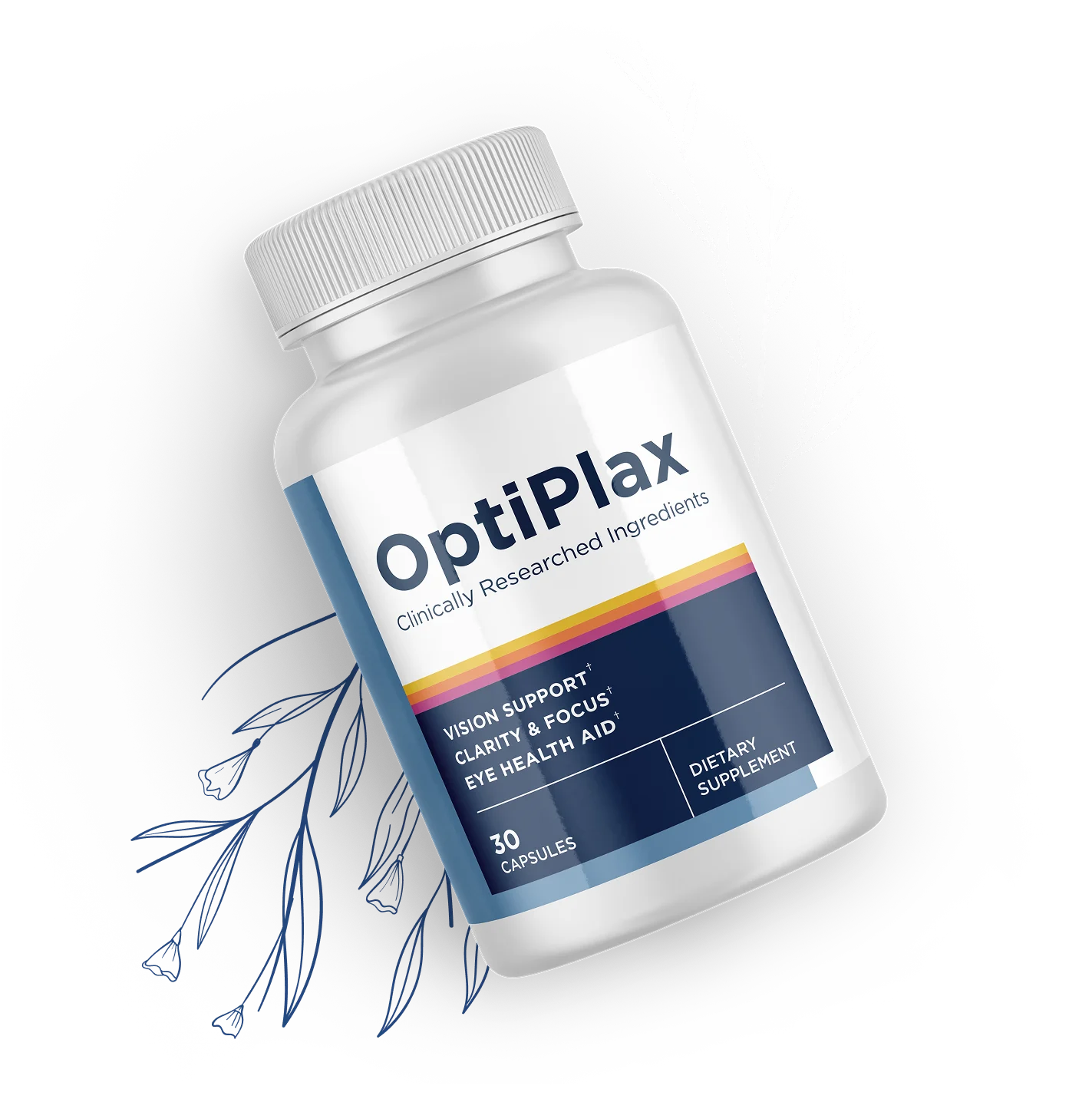
Don't let the digital world compromise your precious eyesight. OptiPlex is specifically formulated to provide comprehensive nutritional support, helping to defend your eyes against blue light, oxidative stress, and the natural aging process. Give your eyes the cutting-edge support they deserve.
- ✓ Advanced Blue Light Filtering Support
- ✓ Potent Antioxidant Protection for Macular Health
- ✓ Supports Visual Acuity & Reduces Eye Fatigue
- ✓ Backed by Scientific Research & Natural Ingredients
- ✓ 60-Day 100% Money-Back Guarantee




What Our Customers Are Saying
"I spend hours on my computer for work, and my eyes used to feel so strained and tired by the end of the day. Since starting OptiPlex, I've noticed a significant reduction in fatigue and dryness. My vision feels sharper, and I can work longer without discomfort. It's been a game-changer!"
"As someone concerned about age-related vision issues, especially with all the screen time, I wanted to be proactive. OptiPlex gives me peace of mind. I've felt a subtle but definite improvement in my overall eye comfort, and I trust the natural ingredients to support my long-term eye health."
"I was skeptical at first, but after a month of using OptiPlex, I'm a believer. The glare from my phone used to bother me terribly at night, and now it's much less noticeable. My eyes feel less stressed, and I even seem to sleep better. Highly recommend for anyone glued to screens!"
Frequently Asked Questions
What exactly is blue light and where does it come from?
+Blue light is a segment of the visible light spectrum with short wavelengths and high energy. While naturally emitted by the sun, significant sources in modern life include digital screens (smartphones, tablets, computers, TVs) and energy-efficient LED lighting. Prolonged exposure to these artificial sources, especially close-up, is a primary concern for eye health.
How does blue light specifically affect my eyes and overall health?
+Blue light primarily affects your eyes by contributing to digital eye strain, causing symptoms like dryness, fatigue, blurred vision, and headaches. It also disrupts your circadian rhythm by suppressing melatonin production, leading to sleep disturbances. In the long term, research suggests that excessive blue light exposure may contribute to oxidative stress on retinal cells, potentially increasing the risk of age-related macular degeneration (AMD) and vision loss.
Are children more vulnerable to blue light damage than adults?
+Yes, children are generally considered more vulnerable to blue light exposure. Their eyes have larger pupils and less developed crystalline lenses, which are less effective at filtering out blue light compared to adult eyes. This means a greater amount of blue light reaches their retinas, potentially increasing their risk of both immediate digital eye strain and long-term retinal damage. Limiting screen time and using protective measures are especially crucial for children.
What practical steps can I take to reduce my blue light exposure?
+Several practical steps can help. Implement the 20-20-20 rule (every 20 minutes, look at something 20 feet away for 20 seconds). Use blue light filtering software or screen protectors on devices. Wear blue light blocking glasses, especially in the evenings. Optimize your workspace lighting, take regular screen breaks, and maintain proper screen distance. Limiting screen time before bed is also vital for sleep quality.
Can diet and supplements really help protect my eyes from blue light?
+Absolutely. A diet rich in antioxidants, particularly lutein and zeaxanthin found in leafy greens and colorful fruits, plays a crucial role in protecting the macula. These carotenoids form a natural pigment that filters blue light and neutralizes free radicals. Supplements like OptiPlex, which contain these and other beneficial nutrients such as Vitamin C, E, Zinc, and Omega-3s, can provide targeted support to enhance your eyes' natural defenses against oxidative stress and blue light damage.
When should I be concerned enough to see an eye doctor about blue light related issues?
+If you experience persistent symptoms of digital eye strain that don't improve with home remedies, such as chronic dry eyes, headaches, blurred vision, or significant sleep disturbances, it's advisable to consult an eye doctor. Additionally, if you have a family history of macular degeneration or other retinal conditions, or if you notice any changes in your vision, a professional eye exam is essential to assess your eye health and discuss personalized protective strategies.
Related Articles