Is Your Vision Becoming Hazy? Uncover the Truth About Cataracts and How to Protect Your Sight Naturally.
Cataracts, a clouding of the eye's natural lens, are a leading cause of vision loss worldwide. They can make everyday tasks challenging, from reading a book to driving at night, transforming a once vibrant world into a blurry, muted landscape. Many people believe cataracts are an inevitable part of aging, a condition you simply have to accept. However, this perspective overlooks the significant role lifestyle and preventative measures can play.
While surgery is an effective treatment for advanced cataracts, understanding the underlying causes and adopting proactive strategies can help delay their onset or even prevent their development. This article will delve into the science behind cataracts, explore the major risk factors, and provide actionable insights into natural prevention methods to safeguard your precious eyesight for years to come.
Understanding Cataracts: The Clouding of Your Lens
Cataracts are a common eye condition characterized by the progressive clouding of the eye’s natural lens, which is normally clear. This lens is responsible for focusing light onto the retina, allowing us to see sharp images. When a cataract develops, this lens becomes opaque, leading to distorted or blurred vision.
Imagine trying to look through a foggy window or a smudged camera lens – that's often how the world appears to someone with cataracts. The condition typically develops slowly and painlessly, often affecting both eyes, though one eye may be more advanced than the other. Initially, you might not even notice any changes, but as the cataract grows, symptoms become more pronounced, impacting daily life. Common symptoms include blurry or hazy vision, increased sensitivity to light and glare, difficulty seeing at night, seeing "halos" around lights, and colors appearing faded or yellowed. If left unaddressed, cataracts can lead to significant vision loss and even blindness.
The Anatomy of a Cataract: How it Forms
The human eye's lens is primarily composed of water and proteins, arranged in a precise manner that keeps it clear and allows light to pass through. With age, or due to other factors, these proteins can begin to clump together, forming cloudy areas on the lens. This protein aggregation is the fundamental process behind cataract formation. Over time, these clumps grow larger and become denser, obstructing the passage of light and causing the characteristic visual impairment.
While aging is the most common cause, the exact mechanisms are complex and involve a combination of factors, including oxidative stress, changes in lens chemistry, and genetic predispositions. Oxidative stress, in particular, plays a significant role. It occurs when there's an imbalance between free radicals (unstable molecules that can damage cells) and antioxidants (molecules that neutralize free radicals) in the body. The lens of the eye is particularly vulnerable to this damage, as it is constantly exposed to light and metabolically active. This delicate balance is crucial for maintaining lens transparency.
Different Types of Cataracts
Cataracts aren't a single entity; they manifest in various forms, each affecting different parts of the lens and presenting unique symptoms:
- Nuclear Cataracts: These are the most common type, forming deep in the central part of the lens (the nucleus). They are typically associated with aging and may initially cause temporary improvement in near vision, a phenomenon known as "second sight." However, as the cataract progresses, the lens hardens and yellows, leading to increasingly blurry vision and difficulty distinguishing colors.
- Cortical Cataracts: These cataracts begin as wedge-shaped opacities that start at the periphery of the lens and extend inward, like spokes on a wheel. They can cause scattered light and glare, making night driving particularly challenging. They are often associated with conditions like diabetes.
- Posterior Subcapsular Cataracts: This type forms at the back of the lens, beneath the lens capsule. They tend to develop more rapidly than other types and often cause significant glare, halos around lights, and difficulty reading. People who use steroids or have diabetes are at a higher risk for this type.
- Congenital Cataracts: Less common, these cataracts are present at birth or develop in early childhood. They can be genetic or associated with infections or trauma during pregnancy.
Understanding the specific type of cataract can help in determining the best course of action and management strategies. Regardless of the type, prevention and early detection remain key to preserving vision.
💡 Key Takeaway
Cataracts are a progressive clouding of the eye's lens, primarily caused by aging and oxidative stress, leading to blurred vision and glare. While surgical treatment is effective, focusing on early understanding, identifying risk factors, and adopting natural prevention strategies can significantly impact long-term eye health and delay or prevent their onset.
Major Risk Factors for Cataract Development
While aging is the primary driver behind cataract formation, it's crucial to recognize that a multitude of other factors can accelerate their development or increase your susceptibility. Many of these risk factors are modifiable, meaning you have the power to influence them through lifestyle choices.
Understanding these risk factors is the first step towards proactive eye health. Here's a detailed look at the most significant contributors to cataract development:
1. Age
The most undeniable risk factor, advanced age is synonymous with cataract development. As we grow older, the proteins in our eye's lens naturally begin to break down and clump together. This process starts subtly, often in our 40s or 50s, but becomes more pronounced after the age of 60. By age 75, over 70% of individuals will have developed some form of cataract. While aging cannot be stopped, addressing other risk factors can significantly delay the onset and progression of age-related cataracts.
2. Prolonged Exposure to Ultraviolet (UV) Radiation
Unprotected exposure to the sun's harmful UV rays is a major environmental risk factor. UV radiation, particularly UVA and UVB, can cause oxidative damage to the lens proteins, accelerating their degradation and clumping. This damage accumulates over a lifetime, making proper eye protection from a young age critically important. Always wear sunglasses that block 99-100% of both UVA and UVB rays when outdoors, even on cloudy days.
3. Diabetes
Individuals with diabetes are at a significantly higher risk of developing cataracts, often at a younger age, and experiencing faster progression. High blood sugar levels can lead to the accumulation of sorbitol in the lens, an alcohol that can draw water into the lens, causing swelling and clouding. Additionally, diabetes contributes to increased oxidative stress, further damaging lens proteins. Strict control of blood glucose levels is paramount for diabetic patients to protect their eyes.
4. Smoking
Smoking is a well-established risk factor that doubles the risk of developing cataracts. The toxins in cigarette smoke release free radicals into the body, leading to widespread oxidative damage, including to the delicate lens of the eye. Smoking also reduces antioxidant levels and interferes with nutrient delivery to the lens. Quitting smoking is one of the most impactful steps you can take for overall health, including vision.
5. Excessive Alcohol Consumption
While moderate alcohol intake may have some health benefits, heavy or excessive alcohol consumption is linked to an increased risk of cataracts. The exact mechanism is still being researched, but it's believed that alcohol can contribute to oxidative stress and nutrient deficiencies that negatively impact lens health. Limiting alcohol intake to recommended levels is a prudent measure for eye health.
6. Obesity
Being overweight or obese is associated with a higher risk of cataracts, particularly in younger individuals. Obesity is often linked to other metabolic conditions like diabetes and high blood pressure, which are direct cataract risk factors. Furthermore, obesity can promote systemic inflammation and oxidative stress, both of which contribute to lens damage. Maintaining a healthy weight through diet and exercise can mitigate this risk.
7. High Blood Pressure (Hypertension)
Uncontrolled high blood pressure can impact blood flow to the eyes and contribute to oxidative stress, increasing the risk of cataract formation. Hypertension is often associated with other cardiovascular issues that can indirectly affect eye health. Managing blood pressure through medication, diet, and lifestyle changes is vital not just for your heart but also for your vision.
8. Previous Eye Injury or Inflammation
Trauma to the eye, such as a direct blow or penetrating injury, can damage the lens and lead to a traumatic cataract. Similarly, chronic eye inflammation (uveitis) or previous eye surgery can disrupt the lens's delicate structure and increase the likelihood of cataract development. Protecting your eyes during sports or hazardous activities is essential.
9. Certain Medications
Long-term use of certain medications, particularly corticosteroids (oral, inhaled, or topical), is a known risk factor for posterior subcapsular cataracts. Diuretics and phenothiazine antipsychotics have also been implicated. If you are on these medications, discuss the risks with your doctor and ensure regular eye check-ups.
10. Genetic Predisposition
While not as strong a factor as age, genetics can play a role in cataract development. If your parents or siblings developed cataracts at an earlier age, you might have an increased genetic predisposition. This means you should be even more vigilant about managing other modifiable risk factors.
11. Poor Nutrition and Antioxidant Deficiency
A diet lacking in essential vitamins, minerals, and antioxidants can leave the eye's lens vulnerable to oxidative damage. Nutrients like Vitamin C, Vitamin E, Lutein, and Zeaxanthin are crucial for protecting the lens. Deficiencies can impair the eye's natural defenses against free radicals, accelerating cataract formation. We'll explore this more in the natural prevention section.
By understanding these risk factors, you empower yourself to make informed choices and take proactive steps to protect your vision. While some factors like age and genetics are beyond our control, a significant number of them can be managed effectively through lifestyle modifications.
Natural Prevention Strategies for Clearer Vision
While there's no guaranteed way to entirely prevent cataracts, especially as we age, adopting a comprehensive approach to eye health can significantly reduce your risk and slow their progression. These natural strategies focus on minimizing oxidative stress, improving ocular nutrition, and managing systemic health conditions.
Embrace an Antioxidant-Rich Diet
Your diet is a powerful tool in preventing cataracts. Focus on foods high in antioxidants, which combat free radicals that damage lens proteins. Key nutrients include Vitamin C (found in citrus fruits, bell peppers, broccoli), Vitamin E (nuts, seeds, spinach), and carotenoids like Lutein and Zeaxanthin (leafy green vegetables, corn, eggs). These compounds act as internal sunglasses, protecting your eyes from oxidative damage.
Protect Your Eyes from UV Radiation
Just as sunscreen protects your skin, quality sunglasses protect your eyes. Choose sunglasses that block 99-100% of both UVA and UVB rays. Wear them whenever you're outdoors, even on cloudy days, as UV rays can penetrate clouds. A wide-brimmed hat can provide additional protection, reducing the amount of UV light reaching your eyes.
Manage Chronic Health Conditions
Conditions like diabetes and high blood pressure are significant risk factors for cataracts. Meticulously managing these conditions through medication, diet, and regular monitoring is crucial. Keeping blood sugar and blood pressure levels within healthy ranges can prevent the metabolic changes that contribute to lens clouding and other serious eye conditions.
Quit Smoking and Limit Alcohol
Smoking is one of the most detrimental habits for eye health, significantly increasing cataract risk. Quitting smoking is paramount. Similarly, reducing alcohol consumption to moderate levels can help mitigate oxidative stress and nutrient depletion associated with excessive intake. These lifestyle changes offer profound benefits not just for your eyes, but for your entire body.
Maintain a Healthy Weight
Obesity is linked to an increased risk of cataracts and other eye diseases. Achieving and maintaining a healthy weight through a balanced diet and regular physical activity can reduce systemic inflammation and oxidative stress, thereby lessening the burden on your eye health. Even modest weight loss can yield significant benefits.
Stay Hydrated
Water is essential for every bodily function, including the health of your eyes. Proper hydration helps maintain the fluid balance within the eye and supports the efficient transport of nutrients and waste products. Dehydration can potentially affect the delicate balance within the lens, so ensure you drink plenty of water throughout the day.
Regular Eye Examinations
Even with proactive prevention, regular comprehensive eye exams are indispensable. An ophthalmologist can detect cataracts in their early stages, monitor their progression, and advise on personalized preventative measures or treatment options. Early detection allows for timely intervention and better long-term outcomes for your vision.
Consider Targeted Nutritional Support
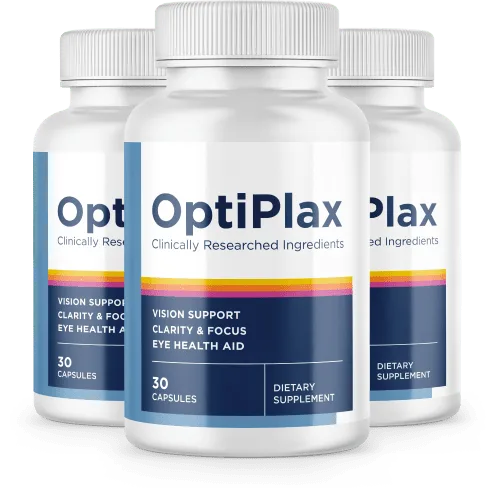
Even with a healthy diet, it can be challenging to obtain optimal levels of every vision-critical nutrient. High-quality eye health supplements, formulated with ingredients like Lutein, Zeaxanthin, Vitamin C, Vitamin E, and Zinc, can provide targeted support. These supplements are designed to complement your diet and bolster your eyes' natural defenses against age-related decline. One such option is OptiPlex, which combines several potent ingredients to support overall ocular wellness.
Cataracts and Their Connection to Macular Degeneration and Vision Loss
While cataracts are distinct from other serious eye conditions like macular degeneration, they share common risk factors and can often coexist, contributing to significant vision loss. Understanding this interplay is crucial for a holistic approach to eye health.
Both cataracts and Macular Degeneration and Vision Loss are primarily age-related conditions. As individuals age, the risk for both increases significantly. The common thread linking these conditions is often oxidative stress and inflammation. The macula, the central part of the retina responsible for sharp, detailed vision, is highly susceptible to damage from free radicals. Similarly, as discussed, the eye's lens is vulnerable to oxidative damage that leads to protein clumping and cataract formation. A lifetime of exposure to UV light, environmental toxins, and a diet lacking in antioxidants can contribute to the development of both conditions.
Moreover, the presence of one condition can sometimes complicate the diagnosis or treatment of the other. For instance, a dense cataract can make it difficult for an ophthalmologist to get a clear view of the retina, potentially masking early signs of macular degeneration. Conversely, if a person has both conditions, cataract surgery might improve overall vision, but the underlying macular degeneration will still limit central vision, meaning the patient may not achieve 20/20 vision post-surgery. This highlights the importance of a comprehensive eye health strategy that addresses multiple risk factors simultaneously.
The protective measures against cataracts—such as an antioxidant-rich diet, UV protection, and managing chronic diseases—are often the same strategies recommended for preventing or slowing the progression of macular degeneration. For example, carotenoids like lutein and zeaxanthin are not only beneficial for the lens but are also concentrated in the macula, where they filter harmful blue light and act as potent antioxidants. Maintaining good vascular health, important for preventing conditions like high blood pressure, also ensures adequate blood flow and nutrient delivery to both the lens and the retina.
Therefore, when you take steps to prevent cataracts, you are often simultaneously fortifying your eyes against other forms of age-related vision loss, including macular degeneration. For more detailed insights into the causes and impacts of this condition, you can read our article on Causes of Macular Degeneration and Vision Loss. A proactive and integrated approach to eye care is the most effective way to safeguard your vision against the spectrum of age-related challenges.
Key Lifestyle Factors for Optimal Eye Health
Nutrient-Dense Diet
Prioritize whole foods, especially colorful fruits and vegetables. Berries, leafy greens (kale, spinach), citrus fruits, and nuts are packed with vitamins, minerals, and antioxidants essential for lens clarity and retinal health. Aim for a rainbow on your plate daily.
Regular Physical Activity
Exercise improves blood circulation, which ensures better nutrient delivery to your eyes and helps reduce systemic inflammation. It also aids in managing conditions like diabetes and high blood pressure, indirectly protecting your vision from cataract development.
Avoid Harmful Habits
Smoking and excessive alcohol consumption are major culprits in accelerating cataract formation. Eliminating these habits is one of the most impactful steps you can take to preserve your vision and improve overall health. Your eyes will thank you.
Adequate Hydration
Staying well-hydrated is crucial for maintaining the delicate fluid balance within your eyes. Proper hydration supports the health of all ocular tissues and aids in the efficient removal of waste products, contributing to overall eye wellness.
UV Protection
Always wear high-quality sunglasses that block 99-100% of UVA and UVB rays when outdoors. This simple habit significantly reduces the cumulative oxidative damage to your lens caused by sunlight, a leading risk factor for cataracts.
Regular Eye Check-ups
Routine comprehensive eye exams are vital for early detection of cataracts and other eye conditions. An ophthalmologist can monitor changes in your vision and eye health, allowing for timely intervention and personalized advice.
OptiPlex: Supporting Your Vision Naturally
While a healthy diet and lifestyle are foundational for preventing cataracts and maintaining overall eye health, sometimes our bodies need additional support. Modern diets, environmental factors, and the natural aging process can deplete crucial nutrients that protect our eyes. This is where a targeted, natural supplement like OptiPlex can play a supportive role.
OptiPlex is formulated with a powerful blend of ingredients specifically chosen for their scientifically-backed benefits in supporting ocular health. It aims to provide the essential vitamins, minerals, and antioxidants that are vital for maintaining the clarity of your lens, protecting against oxidative stress, and supporting the overall function of your eyes. By delivering these concentrated nutrients, OptiPlex works synergistically with your body's natural defenses to help safeguard your vision against age-related decline and the factors contributing to cataract formation.
It's designed as a complementary approach, enhancing the benefits of a healthy lifestyle by ensuring your eyes receive a consistent supply of protective compounds. Many of the ingredients in OptiPlex have been studied for their roles in reducing oxidative damage, supporting retinal health, and promoting clearer vision. For those seeking to be proactive about their long-term eye health, OptiPlex offers a convenient and effective way to bolster your natural defenses.
Key Ingredients in OptiPlex for Comprehensive Eye Health
OptiPlex harnesses the power of nature and scientific research to bring together a potent blend of ingredients, each playing a crucial role in supporting various aspects of eye health and offering protection against factors contributing to cataracts. Here are some of the core components:
Lutein & Zeaxanthin
Role: These powerful carotenoids are concentrated in the macula and lens, acting as natural filters for harmful blue light and potent antioxidants. They protect against oxidative damage and support visual acuity, crucial for maintaining lens clarity.
Vitamin C (Ascorbic Acid)
Role: A vital water-soluble antioxidant, Vitamin C is found in high concentrations in the lens. It helps prevent oxidative stress, regenerates other antioxidants like Vitamin E, and is essential for collagen formation, which supports the structure of the eye.
Vitamin E (Tocopherols)
Role: This fat-soluble antioxidant protects cell membranes, including those in the lens, from oxidative damage. It works synergistically with Vitamin C to neutralize free radicals and maintain cellular integrity, crucial for preventing protein aggregation.
Zinc
Role: An essential mineral for eye health, Zinc plays a critical role in transporting Vitamin A from the liver to the retina to produce melanin, a protective pigment. It's also vital for the activity of numerous enzymes involved in antioxidant defense in the eye.
Copper
Role: Often included with Zinc, Copper is essential for the function of antioxidant enzymes like superoxide dismutase (SOD), which helps neutralize free radicals. Maintaining a proper balance between Zinc and Copper is important for overall health.
Bilberry Extract
Role: Rich in anthocyanosides, powerful antioxidants, Bilberry has been traditionally used to support night vision and improve blood circulation to the eyes. It helps strengthen capillaries and protect retinal cells from oxidative damage.
Alpha Lipoic Acid
Role: A "universal antioxidant," Alpha Lipoic Acid is unique because it's both water- and fat-soluble, allowing it to work throughout the body, including the eyes. It helps regenerate other antioxidants like Vitamin C and E, enhancing their protective effects against oxidative stress.
Grape Seed Extract
Role: Packed with proanthocyanidins, Grape Seed Extract is a potent antioxidant that helps strengthen blood vessels, including the tiny capillaries in the eyes. This improved circulation supports nutrient delivery and waste removal, vital for ocular health.
Selenium
Role: This trace mineral is a critical component of several antioxidant enzymes, including glutathione peroxidase, which plays a vital role in protecting the eye from oxidative damage. Selenium works closely with Vitamin E to enhance its antioxidant effects.
Ginkgo Biloba
Role: Known for its ability to improve blood circulation, Ginkgo Biloba can enhance blood flow to the eyes, ensuring better delivery of oxygen and nutrients. It also possesses antioxidant properties that contribute to overall ocular neuroprotection.
This comprehensive blend of ingredients in OptiPlex is designed to offer multi-faceted support for your eye health, addressing various pathways involved in age-related vision decline and contributing to the natural prevention of conditions like cataracts. For more insights into natural remedies, explore our article on Herbs and Natural Remedies for Eye Health.
Ready to See the World More Clearly?
Don't let blurry vision and the fear of cataracts diminish your quality of life. OptiPlex offers a powerful, natural solution to support your eye health, formulated with a synergistic blend of ingredients designed to protect your lens and retina from oxidative stress and age-related decline.
- ✓ Supports Lens Clarity & Function
- ✓ Protects Against Oxidative Damage
- ✓ Enhances Visual Acuity & Night Vision
- ✓ Promotes Overall Ocular Wellness
- ✓ Made with 100% Natural, Clinically Studied Ingredients



What Our Customers Are Saying
"I've been taking OptiPlex for three months, and the difference is truly amazing. My vision feels sharper, and the glare I used to experience while driving at night has significantly reduced. I feel more confident in my eye health now."
"My doctor mentioned early signs of cataracts, which worried me. I started OptiPlex as a natural preventative measure, and my last check-up showed no progression! My eyes feel less strained, and colors seem brighter. Highly recommend!"
"I was skeptical at first, but OptiPlex has truly improved my overall eye comfort. Less dryness, less fatigue, and a noticeable improvement in my ability to focus, especially when reading. It's become a staple in my daily routine."
Frequently Asked Questions
What exactly are cataracts and how do they affect vision?
+Cataracts are a common age-related condition where the natural lens inside your eye becomes cloudy, much like looking through a frosted window. This clouding causes blurry vision, sensitivity to light, glare, dulled colors, and difficulty seeing at night. Over time, if left untreated, cataracts can lead to significant vision impairment.
Can cataracts be prevented naturally, or are they inevitable with age?
+While age is a primary risk factor, cataracts are not entirely inevitable. Many lifestyle and dietary factors can significantly reduce your risk. Natural prevention strategies include a diet rich in antioxidants, protecting your eyes from UV radiation with sunglasses, managing chronic conditions like diabetes, quitting smoking, and maintaining overall good health through exercise and hydration. These steps can help slow their progression or even prevent their formation.
What are the most significant risk factors for developing cataracts?
+Beyond age, significant risk factors include prolonged exposure to ultraviolet (UV) radiation from sunlight, diabetes, smoking, excessive alcohol consumption, obesity, high blood pressure, previous eye injury or inflammation, certain medications (like corticosteroids), and genetic predisposition. Understanding and addressing these factors can play a crucial role in cataract prevention.
How does nutrition play a role in preventing cataracts?
+Nutrition is vital for eye health. A diet rich in antioxidants, such as Vitamin C, Vitamin E, Lutein, and Zeaxanthin, helps protect the eye's lens from oxidative damage caused by free radicals. Foods like leafy green vegetables, citrus fruits, berries, nuts, and fatty fish provide these protective nutrients. These compounds can help maintain the clarity and function of the lens.
Is OptiPlex a suitable supplement for everyone concerned about cataracts?
+OptiPlex is formulated with a blend of natural ingredients known for their antioxidant and vision-supporting properties, which can be beneficial for those looking to support overall eye health and potentially reduce the risk factors associated with cataract development. However, it's always recommended to consult with your physician or an ophthalmologist before starting any new supplement regimen, especially if you have existing medical conditions or are taking other medications.
What is the relationship between cataracts and macular degeneration?
+While cataracts and macular degeneration are distinct eye conditions, they often share common risk factors, primarily oxidative stress and inflammation, and can coexist as age-related vision impairments. Maintaining a healthy lifestyle, rich in antioxidants, and protecting your eyes can offer benefits against both conditions, contributing to overall long-term vision health. Addressing one condition may also indirectly support the other.
Related Articles