Are You Giving Your Eyes the Nutrition They Need to Thrive?
Our eyes are incredible organs, constantly working to process the world around us. Yet, many of us take our vision for granted until age-related issues begin to surface. As we get older, conditions like Age-related Macular Degeneration (AMD) become a significant concern, often leading to irreversible vision loss.
The good news is that proactive steps can be taken to safeguard your precious eyesight. A growing body of scientific evidence highlights the profound impact of specific vitamins and minerals for eye health and vision support, offering a natural defense against degenerative conditions and helping to maintain clarity for years to come.
Understanding the Threat: Macular Degeneration and Vision Loss
Age-related Macular Degeneration (AMD) is a leading cause of severe, irreversible vision loss in people over 50. It primarily affects the macula, the central part of the retina responsible for sharp, detailed vision needed for tasks like reading, driving, and recognizing faces. While there is no cure, research has shown that nutritional interventions can play a significant role in slowing its progression and potentially preventing its onset.
AMD typically manifests in two forms: dry (atrophic) and wet (neovascular). Dry AMD is more common, accounting for 85-90% of cases, and involves the thinning of the macula and the formation of small protein deposits called drusen. Wet AMD, though less common, is more severe and involves abnormal blood vessel growth under the retina, leading to bleeding and fluid leakage. Both forms can lead to significant central vision impairment, making early detection and proactive management crucial. The impact of vision loss extends beyond mere inconvenience, affecting independence, quality of life, and mental well-being. Therefore, understanding and addressing the factors that contribute to AMD, particularly nutritional deficiencies, is paramount for long-term eye health.
Environmental factors, genetics, and lifestyle choices all play a part, but increasingly, the spotlight is on nutrition. Our eyes are constantly exposed to oxidative stress from UV light and blue light emitted by screens, which can damage delicate retinal cells. Antioxidants from our diet are vital for neutralizing these free radicals and protecting the macula. Without adequate nutritional support, the eyes become more vulnerable to damage, accelerating age-related decline and increasing the risk of conditions like AMD. This is where the strategic intake of specific vitamins and minerals becomes not just beneficial, but essential.
💡 Key Takeaway
Macular Degeneration is a serious threat to central vision, but nutritional strategies, particularly the intake of specific vitamins and minerals, offer a powerful way to protect the macula, combat oxidative stress, and potentially slow the progression of this debilitating eye condition.
The Powerhouse Nutrients: Essential Vitamins for Eye Health
Specific vitamins are indispensable for maintaining the structural integrity and optimal function of various parts of the eye. From protecting against cellular damage to supporting night vision, these micronutrients are the building blocks of healthy eyesight.
Vitamin C (Ascorbic Acid)
A potent antioxidant, Vitamin C is crucial for protecting the eyes from free radical damage. It is found in high concentrations in the aqueous humor of the eye and plays a vital role in maintaining the health of blood vessels in the eyes. Regular intake can help reduce the risk of developing cataracts and slow the progression of AMD by bolstering the eye's natural defenses against oxidative stress. It also aids in the production of collagen, essential for the structure of the cornea and sclera.
Vitamin E (Alpha-Tocopherol)
Another powerful antioxidant, Vitamin E works synergistically with Vitamin C to protect eye cells from oxidative damage. It is particularly effective at safeguarding the fatty acids in the retina from free radical attacks, which are crucial for maintaining the flexibility and function of cell membranes. Studies, including the Age-Related Eye Disease Study (AREDS), have shown that a combination of antioxidants like Vitamin E can significantly reduce the risk of advanced AMD progression. This vitamin helps to stabilize the cell membranes of photoreceptors, which are essential for light detection and conversion into visual signals.
Vitamin A & Beta-Carotene
Vitamin A is fundamental for good vision, especially in low light conditions. It's a key component of rhodopsin, a protein in the retina that absorbs light. Beta-carotene, a precursor to Vitamin A, is an antioxidant that helps protect the eye's surface and plays a role in preventing dry eyes and certain types of night blindness. While excessive Vitamin A can be harmful, getting enough through diet or supplements in the form of beta-carotene is essential for retinal health and overall visual acuity.
B Vitamins (B6, B9, B12)
A complex of B vitamins, particularly B6, B9 (folate), and B12, can help reduce the risk of various eye conditions. These vitamins work together to lower levels of homocysteine, an amino acid in the blood that, when elevated, has been linked to an increased risk of AMD. By regulating homocysteine, B vitamins contribute to better vascular health within the eye, ensuring proper blood flow and nutrient delivery to the delicate retinal tissues. This protective effect can be particularly beneficial for individuals with a family history of eye conditions.
The Unsung Heroes: Minerals Crucial for Vision
Beyond vitamins, a selection of essential minerals plays a supportive, yet critical, role in maintaining eye health. These micronutrients often function as cofactors for enzymes that protect the eye or are integral to the eye's intricate biochemical processes.
Zinc is perhaps one of the most vital minerals for eye health. It is highly concentrated in the macula and retina, where it plays a crucial role in transporting Vitamin A from the liver to the retina to produce melanin, a protective pigment in the eyes. Zinc also acts as a powerful antioxidant, helping to protect cells from oxidative damage. A deficiency in zinc can lead to impaired night vision and may contribute to the development and progression of AMD. Research from the AREDS study demonstrated that zinc supplementation, especially when combined with antioxidants, significantly reduced the risk of advanced AMD.
Copper is another essential mineral that, while needed in smaller amounts than zinc, is equally important. It works in conjunction with zinc to prevent anemia and maintain connective tissues, including those in the eye. When zinc is supplemented, copper is often included in formulations to prevent a copper deficiency, as high doses of zinc can interfere with copper absorption. This balance is critical for overall cellular health and the proper functioning of enzymes that protect the eyes from damage.
Selenium, a trace mineral, functions as an antioxidant and plays a role in protecting cells from oxidative damage. It is a component of glutathione peroxidase, an enzyme that helps prevent damage to the retina. While not as directly linked to AMD as zinc, selenium contributes to the overall antioxidant defense system of the body, which is crucial for maintaining the health of delicate eye tissues. Adequate selenium intake can support the efficacy of other antioxidants in protecting the eyes.
Other minerals like Manganese and Magnesium also contribute indirectly to eye health by supporting nerve function and blood vessel integrity. Manganese is involved in the formation of connective tissue and bones, and also acts as an antioxidant. Magnesium is essential for proper muscle function, including the muscles that control eye movement, and plays a role in energy production within eye cells. While their direct impact on specific eye conditions like AMD is still being researched, their overall contribution to systemic health certainly benefits the eyes.
Ensuring a balanced intake of these minerals, either through a nutrient-rich diet or carefully formulated supplements, is a foundational step in comprehensive eye care. For more remedies that work, you might want to read our article on eye-health-remedies-that-work.html.
The Macular Power Duo: Lutein and Zeaxanthin
When it comes to targeted eye health, especially for the macula, two carotenoids stand out: Lutein and Zeaxanthin. These powerful compounds are naturally concentrated in the macula, forming the macular pigment, which acts as an internal sunglass for your eyes.
Lutein
Lutein is a carotenoid found in high concentrations in the macula, particularly in the peripheral macula. It acts as a natural filter for harmful blue light, which can cause oxidative damage to the retina. Additionally, lutein is a potent antioxidant, neutralizing free radicals that can lead to cellular damage and contribute to the development of AMD. Studies have shown that increased intake of lutein can improve visual acuity, reduce glare sensitivity, and enhance contrast sensitivity. Dietary sources include leafy green vegetables like spinach and kale, as well as egg yolks.
Zeaxanthin
Zeaxanthin is another critical carotenoid, predominantly concentrated in the center of the macula, the fovea, where vision is sharpest. Like lutein, it filters blue light and provides powerful antioxidant protection. The combined presence of lutein and zeaxanthin forms a protective shield for the delicate photoreceptor cells, essential for clear central vision. Research suggests that higher levels of macular pigment density, supported by adequate intake of these carotenoids, are associated with a lower risk of AMD progression. Corn, peppers, and saffron are good dietary sources.
Synergistic Protection
Lutein and Zeaxanthin work synergistically. They are the only dietary carotenoids that accumulate in the retina, where they absorb up to 90% of blue light, preventing it from reaching and damaging the photoreceptors. This dual action of blue light filtration and antioxidant activity makes them indispensable for maintaining macular health and preventing age-related vision decline. Their combined effect is more powerful than either nutrient alone, providing comprehensive protection against environmental stressors and oxidative damage.
Omega-3 Fatty Acids: More Than Just Heart Health
While often lauded for their benefits to heart and brain health, Omega-3 fatty acids, particularly DHA (docosahexaenoic acid), are equally vital for optimal eye function and protection against degenerative conditions.
DHA is a major structural component of the retina, making up a significant portion of the fatty acids in the photoreceptor cell membranes. It plays a critical role in the fluidity and function of these cell membranes, which are essential for the efficient conversion of light into electrical signals sent to the brain. Adequate levels of DHA are crucial for maintaining sharp vision, especially in low light conditions, and for the overall health of the retina. A deficiency in DHA can impair visual function and increase the eye's susceptibility to damage.
Beyond its structural role, Omega-3s possess potent anti-inflammatory properties. Chronic inflammation is a significant contributing factor to many age-related diseases, including AMD. By reducing inflammation in the eye, Omega-3s can help protect retinal cells from damage and potentially slow the progression of degenerative eye conditions. They also support the health of the tear film, which can alleviate symptoms of dry eye syndrome, a common and often uncomfortable condition.
Sources of Omega-3s include fatty fish like salmon, mackerel, and sardines, as well as flaxseeds and walnuts. However, for therapeutic doses or to ensure consistent intake, especially for those with dietary restrictions or specific health goals, supplementation with high-quality fish oil can be highly beneficial. When choosing a supplement, look for one that provides ample amounts of both DHA and EPA (eicosapentaenoic acid), another important Omega-3 fatty acid. Regular intake of these essential fatty acids is a proactive step towards preserving your vision and promoting long-term eye health.
Lifestyle Factors and Dietary Strategies for Vision Preservation
While supplements can play a supportive role, a holistic approach that includes a healthy diet and smart lifestyle choices is the cornerstone of long-term eye health. Integrating vision-friendly habits into your daily routine can significantly enhance the protective effects of nutrients.
Eat a Rainbow Diet
Focus on a diet rich in colorful fruits and vegetables. Dark leafy greens (spinach, kale, collards) are excellent sources of lutein and zeaxanthin. Orange and yellow produce (carrots, sweet potatoes, bell peppers) provide beta-carotene. Berries are packed with antioxidants. A diverse diet ensures a broad spectrum of nutrients that work synergistically to protect your eyes and overall health.
Include Fatty Fish
Incorporate fatty fish like salmon, tuna, mackerel, and sardines into your diet at least twice a week. These are prime sources of Omega-3 fatty acids, particularly DHA, which is crucial for retinal health and reducing inflammation. For vegetarians or those who don't eat fish, flaxseeds, chia seeds, and walnuts offer ALA (alpha-linolenic acid), a plant-based Omega-3 that the body can convert to DHA, albeit less efficiently.
Regular Exercise
Physical activity can help reduce the risk of eye conditions like glaucoma, diabetic retinopathy, and AMD by improving blood circulation, reducing inflammation, and managing blood sugar levels. Even moderate exercise, like brisk walking for 30 minutes most days of the week, can make a significant difference in maintaining ocular health and overall well-being.
Protect Your Eyes
Wear sunglasses that block 99-100% of UVA and UVB rays whenever you are outdoors, even on cloudy days. This protects your eyes from harmful UV radiation, which can contribute to cataracts and AMD. Also, use blue light filtering glasses or screen protectors if you spend extended periods in front of digital screens to reduce eye strain and potential damage from blue light exposure.
Quit Smoking
Smoking is one of the most significant modifiable risk factors for AMD and cataracts. It increases oxidative stress and reduces blood flow to the eyes, accelerating cellular damage. Quitting smoking can dramatically reduce your risk of developing these and many other serious health issues, including vision loss. It's a crucial step for preserving your eyesight.
Regular Eye Exams
Even with optimal nutrition and lifestyle, regular comprehensive eye exams are indispensable. Many serious eye conditions, including AMD and glaucoma, can develop without noticeable symptoms in their early stages. Early detection allows for timely intervention and better management, which can significantly impact the long-term prognosis for your vision. Consult your ophthalmologist annually, especially if you are over 40 or have a family history of eye disease.
When Diet Isn't Enough: The Role of Eye Health Supplements
Despite our best efforts to eat a balanced diet, modern lifestyles and agricultural practices can sometimes make it challenging to obtain optimal levels of every essential nutrient. Soil depletion, food processing, and individual absorption rates can all impact the nutrient content of our meals. This is where targeted eye health supplements can bridge the gap, providing a concentrated dose of the vitamins and minerals most beneficial for vision support.
For individuals at risk of or already experiencing early signs of Macular Degeneration, the Age-Related Eye Disease Study (AREDS and AREDS2) has provided compelling evidence for specific supplement formulations. These studies demonstrated that a precise combination of high-dose Vitamin C, Vitamin E, Beta-carotene (or Lutein/Zeaxanthin in AREDS2), Zinc, and Copper could significantly reduce the risk of progression to advanced AMD by about 25%. This evidence highlights the power of targeted supplementation in protecting the macula.
Furthermore, many people find it difficult to consistently consume the recommended daily amounts of specific eye-healthy nutrients like lutein, zeaxanthin, and DHA from diet alone. For example, while leafy greens are rich in lutein and zeaxanthin, you would need to eat a substantial amount daily to match the concentrations found in effective supplements. Similarly, consistently consuming fatty fish multiple times a week can be challenging for some. Supplements offer a convenient and reliable way to ensure your eyes receive these critical compounds daily.
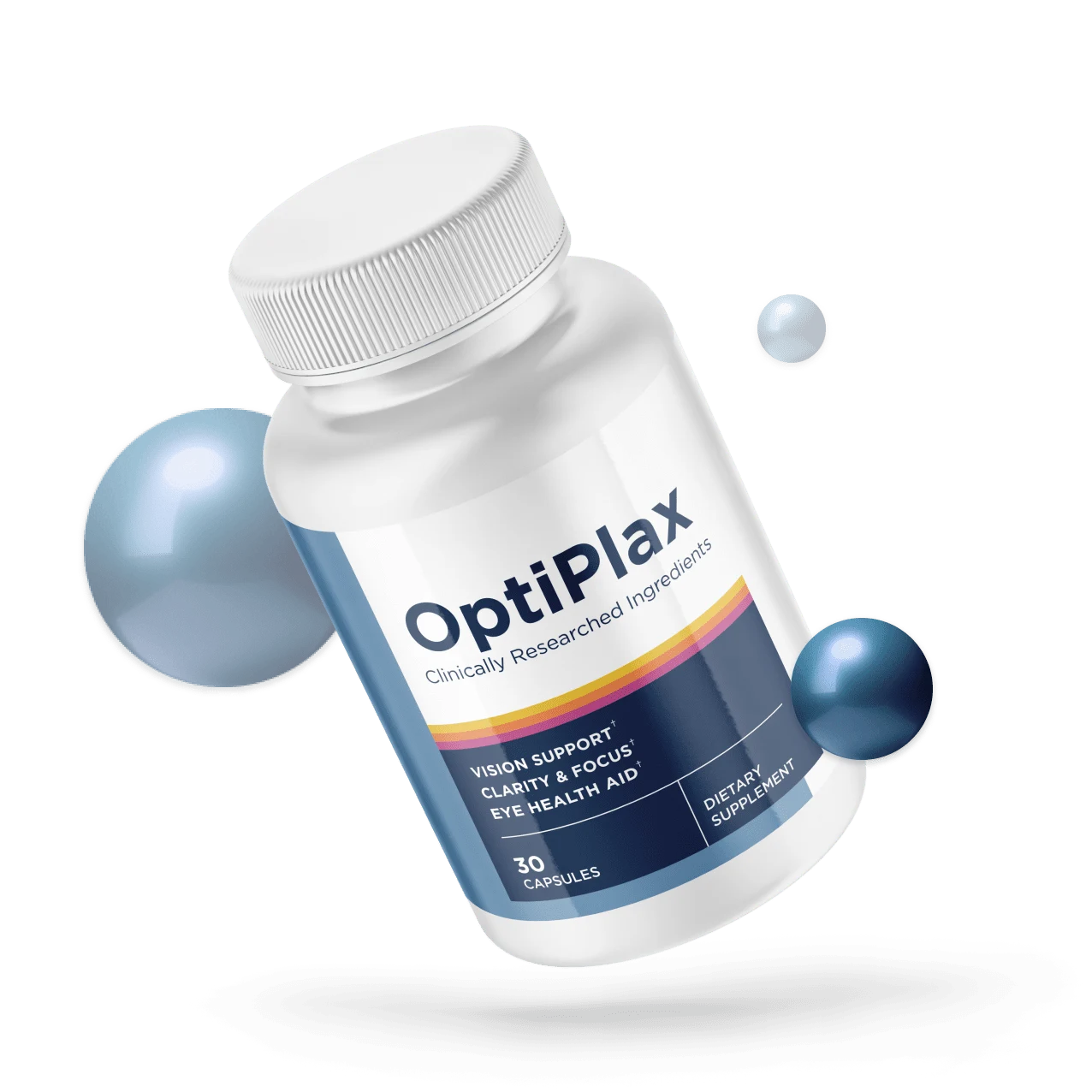
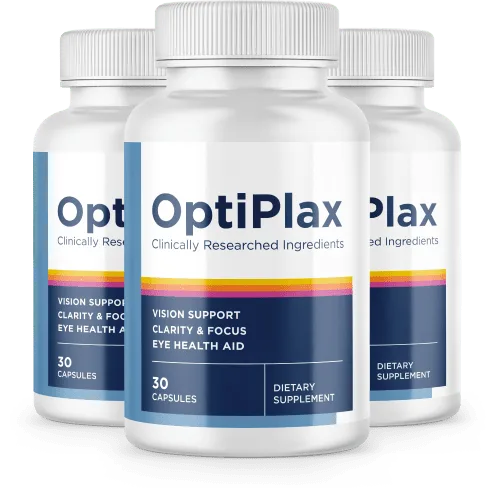
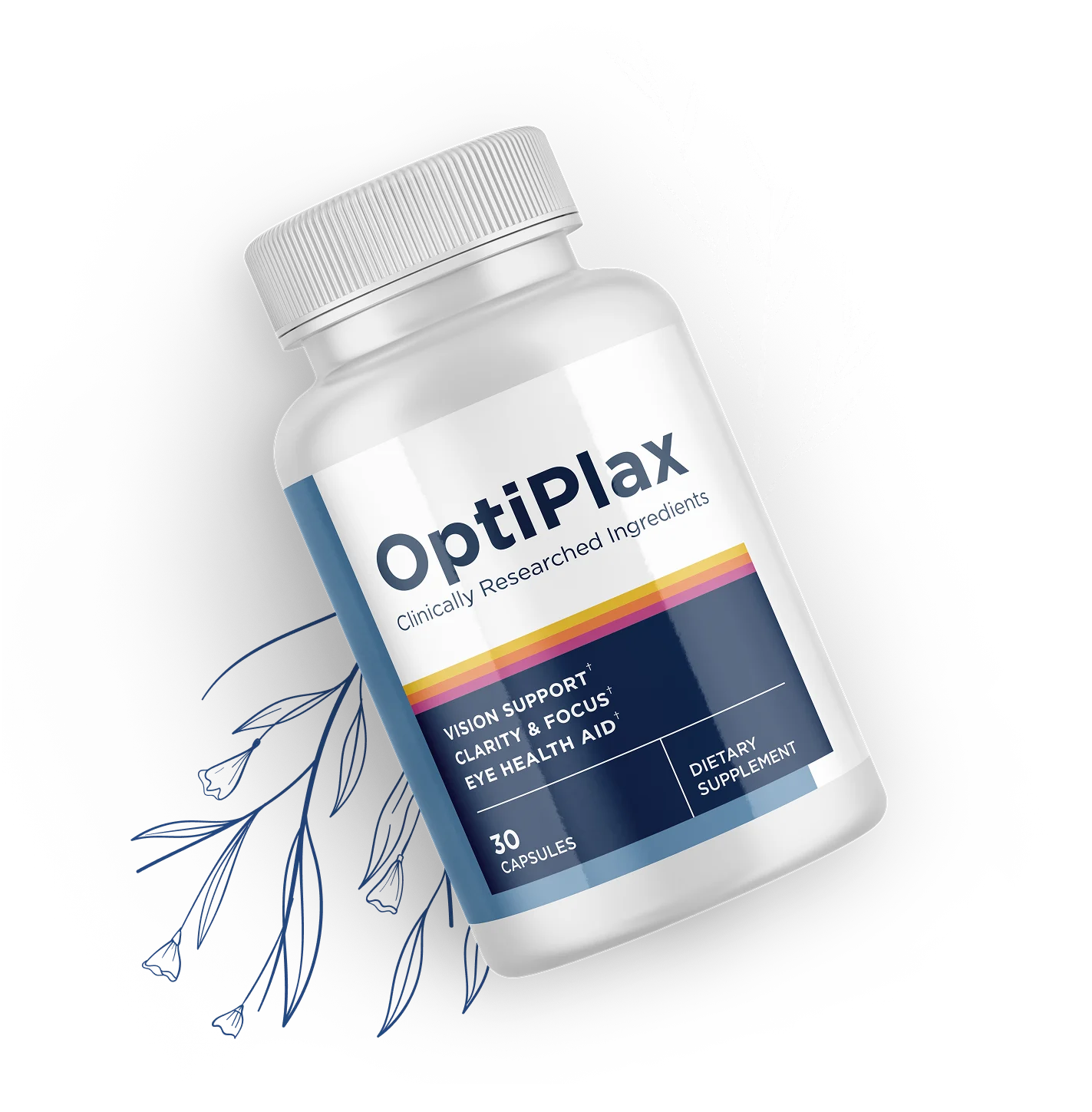
When considering an eye health supplement, it's vital to look for products that contain clinically studied ingredients in appropriate dosages. A comprehensive formula will often include a blend of antioxidants, carotenoids, and essential minerals. One such solution is OptiPlex, a supplement designed to provide broad-spectrum support for vision. It aims to deliver a synergistic combination of ingredients known to protect the eyes from oxidative stress and support macular health. You can find more details about its efficacy in this OptiPlex review 2026.
It's important to remember that supplements are intended to complement, not replace, a healthy diet and lifestyle. Always consult with your ophthalmologist or healthcare provider before starting any new supplement regimen, especially if you have existing medical conditions or are taking other medications. They can offer personalized advice based on your individual health needs and risk factors for eye disease. For further reading on preventative measures, consider our article on how to prevent macular degeneration with vitamins and diet.
Unleash Your Vision's Full Potential with OptiPlex
If you're serious about protecting your eyesight and supporting your vision against age-related decline, OptiPlex offers a scientifically formulated blend of powerful ingredients. Designed to provide comprehensive ocular support, OptiPlex goes beyond basic nutrition to deliver targeted benefits for your precious eyes.
- ✓ Supports Macular Health
- ✓ Protects Against Blue Light & Oxidative Stress
- ✓ Enhances Visual Acuity & Clarity
- ✓ Formulated with Clinically Studied Nutrients
- ✓ All-Natural & Non-GMO Ingredients



What Our Customers Say
"I've been taking OptiPlex for three months, and I've noticed a significant reduction in eye strain, especially after long days at the computer. My vision feels sharper, and colors seem more vibrant. I'm so glad I found this supplement!"
"As someone with a family history of macular degeneration, I was looking for a proactive solution. OptiPlex was recommended by a friend, and I feel much more confident about my eye health now. My last eye exam showed great results."
"I used to struggle with dry eyes and blurred vision in the evenings. Since starting OptiPlex, those issues have greatly improved. It's made a real difference in my daily comfort and ability to read without fatigue. Highly recommend!"
Frequently Asked Questions
What is Macular Degeneration and how do nutrients help?
+Macular Degeneration (AMD) is a progressive eye condition that blurs the central vision, primarily affecting the macula, a part of the retina. Key nutrients like lutein, zeaxanthin, and antioxidants protect the macula from oxidative stress and harmful blue light, potentially slowing its progression and preserving vision.
Can diet alone provide enough eye-supporting nutrients?
+While a balanced diet rich in fruits, vegetables, and fatty fish is crucial, it can be challenging to consistently consume the optimal amounts of certain eye-specific nutrients, especially as we age. Factors like soil depletion, food processing, and individual absorption rates can impact nutrient intake, making supplements a valuable consideration for comprehensive support.
Are there any side effects from taking eye health supplements?
+Generally, eye health supplements formulated with vitamins, minerals, and antioxidants are well-tolerated. However, like any supplement, individual responses can vary. It's always recommended to consult with your doctor or an ophthalmologist before starting any new supplement regimen, especially if you have pre-existing medical conditions or are taking other medications, to ensure safety and suitability.
How long does it take to see results from vision support supplements?
+The timeline for experiencing noticeable benefits from vision support supplements can vary widely among individuals. Some may report improvements in visual comfort or clarity within a few weeks, while for others, it might take several months of consistent use to observe significant changes, particularly for long-term protective effects against conditions like AMD. Consistency is key.
Is OptiPlex suitable for everyone?
+OptiPlex is formulated with natural ingredients known for their eye health benefits. It is generally suitable for adults looking to support their vision and protect against age-related decline. However, pregnant or nursing mothers, children under 18, and individuals with known medical conditions should consult a physician before using OptiPlex or any dietary supplement.
Where can I purchase OptiPlex and is it guaranteed?
+OptiPlex is exclusively available through its official website to ensure authenticity and the best possible pricing. Each purchase is backed by a 60-day, 100% money-back guarantee. If you're not completely satisfied with the results, you can return the product within 60 days for a full refund, no questions asked.
Related Articles