Are You Doing Enough to Protect Your Vision from Macular Degeneration?
As we age, the health of our eyes becomes an increasingly vital concern. One of the most common and devastating age-related eye conditions is Macular Degeneration, a progressive disease that can severely impair central vision, making everyday tasks like reading, driving, and recognizing faces incredibly challenging.
While genetics and age play significant roles, compelling scientific evidence now confirms that our lifestyle choices, particularly our diet and nutrient intake, wield substantial power in preventing the onset and progression of this condition. Proactive nutritional strategies offer a powerful defense, allowing you to take control and protect your precious eyesight. In fact, a well-chosen diet and targeted supplementation can significantly reduce your risk of vision loss from AMD.
Understanding Macular Degeneration: A Threat to Your Central Vision
Age-related Macular Degeneration (AMD) is a progressive eye condition that affects the macula, a small but critical area in the center of your retina. The macula is responsible for your sharp, central vision, allowing you to see fine details, recognize faces, read, and drive.
There are two main types of AMD:
- Dry AMD: This is the more common form, accounting for about 85-90% of cases. It occurs when light-sensitive cells in the macula slowly break down, leading to blurred central vision. It often progresses gradually and is characterized by the presence of drusen, small yellow deposits under the retina.
- Wet AMD: This less common but more severe form develops when abnormal blood vessels grow under the retina and leak fluid or blood. This leakage can cause rapid and severe vision loss. While less prevalent, wet AMD accounts for the majority of severe vision loss cases associated with AMD.
Regardless of the type, AMD can lead to significant vision impairment, including blurred vision, dark or blank spots in the center of vision, and distorted vision (straight lines appearing wavy). While AMD doesn't typically cause complete blindness (peripheral vision is usually unaffected), it can severely impact a person's quality of life and independence. Understanding the risk factors, which include age, genetics, smoking, obesity, and cardiovascular disease, is the first step towards effective prevention.
💡 Key Takeaway
Macular Degeneration is a leading cause of central vision loss, but its progression can be significantly influenced by modifiable risk factors, with nutrition playing a pivotal role in prevention and management.
The Crucial Role of Nutrition in Macular Health
For decades, medical professionals believed that age-related vision loss was an inevitable part of getting older. However, groundbreaking research, particularly the Age-Related Eye Disease Studies (AREDS and AREDS2), has transformed our understanding, demonstrating the profound impact of specific nutrients on eye health and the prevention of AMD.
Our eyes, especially the macula, are highly susceptible to oxidative stress and damage from blue light exposure. Antioxidants and specific carotenoids act as a natural defense system, neutralizing free radicals and filtering harmful light. Without adequate protection, these delicate cells can degrade over time, leading to AMD. The good news is that by focusing on a diet rich in certain vitamins, minerals, and fatty acids, we can provide our eyes with the necessary tools to fight off this damage.
A proactive approach to nutrition is not just about slowing down AMD; it's about optimizing overall eye function and maintaining vibrant vision for as long as possible. Integrating these nutritional powerhouses into your daily routine is one of the most effective strategies you can employ.
Essential Vitamins and Minerals for AMD Prevention
Scientific studies have identified several key nutrients that are particularly beneficial for macular health. Incorporating these into your diet or through supplementation can significantly bolster your eyes' natural defenses.
Lutein and Zeaxanthin
These powerful carotenoids are found in high concentrations in the macula, forming the macular pigment. They act as natural sunglasses, filtering harmful blue light and providing potent antioxidant protection, shielding the delicate photoreceptor cells from damage. Research consistently shows that higher dietary intake and blood levels of lutein and zeaxanthin are associated with a reduced risk of AMD.
Omega-3 Fatty Acids (DHA & EPA)
Docosahexaenoic acid (DHA) and Eicosapentaenoic acid (EPA), primarily found in fatty fish, are crucial for retinal health. DHA is a major structural component of the retina, and both DHA and EPA have strong anti-inflammatory properties that can help protect the macula from inflammatory damage, a factor implicated in AMD progression. Regular intake supports the integrity and function of retinal cells.
Zinc
Zinc is a vital trace mineral present in high concentrations in the eyes, particularly the retina. It plays a critical role in transporting Vitamin A from the liver to the retina to produce melanin, a protective pigment in the eye. Zinc is also a powerful antioxidant and is involved in the activity of over 100 enzymes, including those that protect against oxidative damage in the macula. Its deficiency has been linked to increased AMD risk.
Vitamin C (Ascorbic Acid)
A well-known antioxidant, Vitamin C helps protect eye cells from free radical damage. It also plays a role in the production of collagen, a protein that provides structure to the eye, including the cornea and sclera. High levels of Vitamin C are found in the aqueous humor, the fluid that fills the front part of the eye, where it helps prevent oxidative stress that can contribute to AMD.
Vitamin E
Another powerful antioxidant, Vitamin E works synergistically with Vitamin C to protect cells from oxidative damage. It is particularly effective at protecting the fatty acids in cell membranes, including those in the retina, from being oxidized. Studies suggest that adequate intake of Vitamin E, especially when combined with other antioxidants, can help reduce the risk of AMD progression.
Copper
While zinc is crucial, it's important to balance its intake with copper. High doses of zinc can sometimes interfere with copper absorption, leading to copper deficiency. Copper is essential for the function of several enzymes involved in antioxidant defense and energy production within cells. It is typically included in AMD supplements to ensure this balance is maintained.
The AREDS and AREDS2 Studies: A Turning Point in AMD Prevention
The Age-Related Eye Disease Studies (AREDS and AREDS2), sponsored by the National Eye Institute, represent monumental milestones in understanding and preventing AMD. These large-scale clinical trials provided definitive evidence that specific formulations of vitamins and minerals can significantly reduce the risk of advanced AMD and associated vision loss.
The original AREDS study found that a daily supplement containing high doses of Vitamin C, Vitamin E, beta-carotene, zinc, and copper reduced the risk of developing advanced AMD by about 25% over five years in people with intermediate AMD or advanced AMD in one eye. While effective, beta-carotene was later found to increase the risk of lung cancer in smokers.
The subsequent AREDS2 study refined this formula by replacing beta-carotene with lutein and zeaxanthin, which are safer for smokers and have proven benefits for macular health. It also evaluated the addition of omega-3 fatty acids. The AREDS2 formula, which includes Vitamin C (500 mg), Vitamin E (400 IU), Lutein (10 mg), Zeaxanthin (2 mg), Zinc (80 mg), and Copper (2 mg), is now the gold standard for nutritional support in intermediate to advanced AMD. This research underscores the critical importance of these specific nutrients in safeguarding your vision. For more general approaches to eye health, you might find our article on how to improve eye health naturally insightful.
Dietary Strategies: Eating for Optimal Eye Health
While supplements can provide targeted support, the foundation of AMD prevention lies in a nutrient-rich diet. Incorporating a variety of whole foods ensures a broad spectrum of protective compounds, not just the ones highlighted in studies.
Leafy Green Vegetables
Kale, spinach, collard greens, and Swiss chard are superstar sources of lutein and zeaxanthin. Aim for several servings per week. Steaming or lightly sautéing them can enhance nutrient absorption.
Fatty Fish
Salmon, mackerel, sardines, and tuna are rich in DHA and EPA omega-3 fatty acids. Try to consume at least two servings of fatty fish per week to support retinal cell integrity and reduce inflammation.
Colorful Fruits and Vegetables
Berries, oranges, bell peppers, carrots, and sweet potatoes are packed with Vitamin C and other antioxidants. The vibrant colors often indicate a high concentration of beneficial plant compounds.
Nuts, Seeds, and Legumes
Almonds, walnuts, chia seeds, flaxseeds, and lentils provide Vitamin E, zinc, and omega-3s. These are excellent snacks or additions to salads and meals, offering sustained energy and eye protection.
Eggs
Egg yolks are a good source of lutein and zeaxanthin, as well as zinc. The bioavailability of these carotenoids from eggs is often higher than from vegetables due to the fat content.
Healthy Fats
Avocados and olive oil contain Vitamin E and healthy fats that aid in the absorption of fat-soluble vitamins and carotenoids. Incorporate these into your diet to maximize nutrient uptake.
Beyond Diet: Lifestyle Factors for Macular Health
While diet and supplementation form the cornerstone of AMD prevention, other lifestyle choices significantly contribute to overall eye health and can either mitigate or exacerbate your risk.
Quit Smoking: This cannot be stressed enough. Smoking is one of the strongest modifiable risk factors for AMD, increasing your risk by up to four times. The toxins in cigarette smoke damage retinal cells and interfere with nutrient absorption. Quitting smoking is the single most impactful step you can take for your eye health.
Protect Your Eyes from UV Light: Harmful ultraviolet (UV) and high-energy visible (HEV) blue light can contribute to macular damage. Always wear sunglasses that block 99-100% of both UVA and UVB rays when outdoors. Consider glasses with blue-light filtering properties if you spend many hours in front of digital screens; our article on eye health supplements for screen users has more details.
Maintain a Healthy Weight: Obesity is linked to an increased risk of developing advanced AMD. Maintaining a healthy weight through a balanced diet and regular physical activity can reduce systemic inflammation and oxidative stress, which are detrimental to eye health.
Manage Chronic Conditions: Conditions like high blood pressure, high cholesterol, and diabetes can negatively impact blood flow to the eyes and increase AMD risk. Work with your doctor to manage these conditions effectively through medication and lifestyle modifications.
Regular Eye Exams: Comprehensive dilated eye exams are crucial, especially as you age. An ophthalmologist can detect early signs of AMD, even before symptoms appear, allowing for timely intervention. Early detection is key to slowing progression. For natural ways to soothe eye discomfort, explore natural eye health relief remedies.
OptiPlex: A Targeted Approach to Macular Support
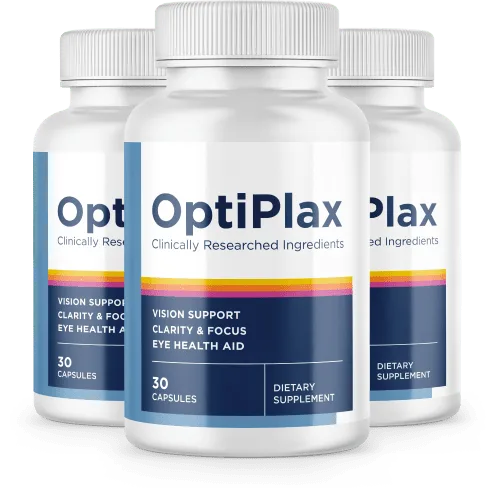
While a balanced diet is fundamental, achieving the precise therapeutic doses of specific nutrients proven to protect against AMD, particularly those outlined in the AREDS2 study, can be challenging through food alone. This is where a high-quality, scientifically formulated supplement like OptiPlex can play a crucial role, especially for individuals with intermediate AMD or those at high risk.
OptiPlex is designed to deliver a comprehensive blend of key ingredients known for their profound impact on macular health. It goes beyond basic vitamins, focusing on the synergistic action of potent antioxidants and essential minerals to nourish and protect the delicate cells of your macula. By providing these nutrients in optimal concentrations, OptiPlex aims to support the eye's natural defense mechanisms against oxidative stress and blue light damage, helping to preserve your central vision as you age.
It's important to remember that OptiPlex is presented as one solution among many preventative strategies. It's a tool to complement a healthy lifestyle, not replace it. Consult with your healthcare provider to determine if OptiPlex is the right addition to your vision health regimen.
Key Ingredients in OptiPlex for Macular Support
OptiPlex is formulated with a precise blend of ingredients, carefully selected based on the latest scientific research, including the pivotal AREDS2 study, to provide comprehensive support for your macular health.
Lutein (10mg)
Role: A primary carotenoid concentrated in the macula, acting as an antioxidant and blue light filter to protect retinal cells. Studies show it helps increase macular pigment optical density (MPOD).
Zeaxanthin (2mg)
Role: Works synergistically with Lutein, also highly concentrated in the macula, providing superior antioxidant protection and crucial blue light absorption to shield the photoreceptors.
Vitamin C (500mg)
Role: A powerful antioxidant that combats free radical damage in the eyes and supports the health of blood vessels supplying the retina. It's vital for collagen formation.
Vitamin E (400 IU)
Role: Another potent antioxidant that protects cell membranes, including those in the retina, from oxidative stress. It works best in combination with other antioxidants.
Zinc (80mg)
Role: Essential trace mineral for eye health, involved in transporting Vitamin A to the retina and supporting numerous enzymes that protect against cellular damage in the macula.
Copper (2mg)
Role: Included to balance the high dose of Zinc, as Zinc can interfere with Copper absorption. Copper is an essential cofactor for antioxidant enzymes in the body.
Bilberry Extract
Role: Rich in anthocyanins, powerful antioxidants that support microcirculation in the eyes, enhance night vision, and protect retinal cells from oxidative damage.
Grape Seed Extract
Role: Contains proanthocyanidins, which are potent antioxidants that strengthen blood vessels, improve circulation to the eyes, and help protect against free radical damage.
Take Control of Your Vision Health Today with OptiPlex
Don't wait for vision problems to emerge. OptiPlex offers a powerful, scientifically-backed formula designed to support and protect your macular health. By providing your eyes with the vital nutrients they need, OptiPlex helps you maintain sharp, clear vision and reduces the risk of age-related macular degeneration progression.
- ✓ Formulated with AREDS2-recommended ingredients
- ✓ Supports macular pigment density
- ✓ Powerful antioxidant protection for retinal cells
- ✓ Helps filter harmful blue light
- ✓ Made with natural, high-quality ingredients



Real Stories: How OptiPlex is Making a Difference
"I was diagnosed with early AMD, and my doctor suggested supplements. After a few months of OptiPlex, I genuinely feel my vision is clearer, and my last check-up showed no progression. It's a huge relief!"
"My ophthalmologist recommended an AREDS2 formula, and I chose OptiPlex. I've been taking it for over a year now, and my eyes feel less strained. The peace of mind knowing I'm doing something proactive is invaluable."
"I'm in my late 60s and want to keep my vision as long as possible. OptiPlex provides all the key nutrients my eyes need. It's easy to take, and I've noticed less eye fatigue, especially after reading."
Frequently Asked Questions
What is macular degeneration and why is it important to prevent it?
+Macular degeneration, specifically Age-related Macular Degeneration (AMD), is a leading cause of severe vision loss in people over 50. It damages the macula, the central part of the retina responsible for sharp, detailed vision needed for reading, driving, and recognizing faces. Preventing it is crucial to maintain independence and quality of life as you age.
Which vitamins and minerals are most important for preventing AMD?
+The most critical nutrients for AMD prevention, supported by extensive research like the AREDS2 study, include Lutein, Zeaxanthin, Zinc, Copper, Vitamin C, and Vitamin E. Omega-3 fatty acids (DHA and EPA) also play a significant role in maintaining retinal health.
Can diet alone prevent macular degeneration, or are supplements necessary?
+While a diet rich in fruits, vegetables, and fatty fish provides many essential nutrients, achieving the therapeutic doses of certain antioxidants and minerals shown to be effective in AMD prevention (like those in the AREDS2 formula) can be challenging through diet alone. Supplements can bridge this nutritional gap, especially for individuals with existing risk factors or early signs of AMD.
What are the best dietary sources for AMD-preventing nutrients?
+Excellent dietary sources include dark leafy green vegetables (kale, spinach, collard greens) for lutein and zeaxanthin; fatty fish (salmon, mackerel, sardines) for omega-3s; citrus fruits and berries for Vitamin C; nuts, seeds, and vegetable oils for Vitamin E; and legumes, nuts, and red meat for Zinc. Eating a colorful, varied diet is key.
Are there any lifestyle changes that can further reduce the risk of AMD?
+Absolutely. Beyond diet and supplements, quitting smoking is paramount, as smoking is a major risk factor. Protecting your eyes from UV light with sunglasses, maintaining a healthy weight, managing blood pressure and cholesterol, and getting regular eye exams are all vital lifestyle factors for AMD prevention.
How does OptiPlex support macular health?
+OptiPlex is formulated based on advanced scientific research, including the AREDS2 study, to provide a potent blend of key macular nutrients. It contains optimal doses of Lutein, Zeaxanthin, Zinc, Copper, Vitamin C, and Vitamin E, along with other vision-supporting ingredients, to nourish and protect your macula, helping to reduce the risk of AMD progression.
Related Articles