Are your eyes truly safe from the sun's silent threat?
Every day, as we step outside, our eyes are exposed to an invisible enemy: ultraviolet (UV) radiation. While we often remember to protect our skin, the delicate tissues of our eyes are frequently overlooked, leaving them vulnerable to significant, cumulative damage that can lead to serious vision problems later in life.
The consequences of neglecting eye protection can range from painful temporary conditions to severe, chronic diseases, including cataracts and age-related macular degeneration (AMD), a leading cause of irreversible vision loss. Understanding this pervasive threat is the first step towards preserving your precious sight.
The Invisible Threat: Understanding UV Radiation and Your Eyes
UV radiation is a form of electromagnetic radiation emitted by the sun, invisible to the human eye, yet profoundly impactful on our health. While often associated with skin damage, its effects on ocular health are equally, if not more, insidious.
The sun emits three main types of UV radiation: UVA, UVB, and UVC. Fortunately, the Earth's ozone layer absorbs all UVC rays, preventing them from reaching us. However, both UVA and UVB rays penetrate the atmosphere and pose significant threats to our eyes and vision.
UVA rays have longer wavelengths and can penetrate deeply into the eye, reaching the retina. They are linked to the development of cataracts and are suspected to play a role in the onset and progression of age-related macular degeneration (AMD). UVA rays contribute to the aging of the eye's tissues, much like they contribute to skin aging.
UVB rays, with their shorter wavelengths, are largely absorbed by the cornea and lens. While this prevents them from reaching the retina in significant amounts, their absorption by these front structures of the eye causes direct damage. UVB is primarily responsible for conditions like photokeratitis (a painful "sunburn" of the cornea) and is a major contributor to the formation of cataracts.
The cumulative effect of UV exposure means that damage isn't just a concern for those who spend extended time outdoors. Even brief, regular exposure adds up over years, leading to irreversible changes in eye health. This makes consistent protection a lifelong necessity, not just an occasional consideration.
💡 Key Takeaway
Both UVA and UVB radiation can cause significant damage to different parts of the eye, from the surface (cornea) to the deeper structures (lens and retina). This damage is cumulative and can lead to serious long-term vision problems, including macular degeneration.
UV-Related Eye Conditions: More Than Just a Sunburn
The impact of UV radiation on our eyes extends beyond immediate discomfort. Chronic exposure can lead to a range of serious conditions, accelerating the natural aging process and potentially leading to permanent vision impairment.
Photokeratitis (Corneal Sunburn)
Often referred to as "snow blindness," photokeratitis is an acute, painful inflammation of the cornea caused by intense, short-term exposure to UVB rays. Symptoms include severe eye pain, redness, tearing, blurred vision, and sensitivity to light. While usually temporary, repeated episodes can lead to chronic corneal issues.
Pterygium and Pinguecula
These are growths on the conjunctiva (the clear membrane covering the white of the eye). A pinguecula is a yellowish patch or bump on the white of the eye, while a pterygium is a fleshy growth that can extend over the cornea, potentially blocking vision. Both are strongly linked to chronic UV exposure, especially in windy, dusty environments.
Cataracts
Cataracts involve the clouding of the eye's natural lens, leading to blurry vision, glare sensitivity, and diminished color perception. While a natural part of aging, studies show that significant UV exposure can accelerate their formation, sometimes by years or even decades. Cataracts are a leading cause of blindness worldwide, though they are treatable with surgery.
Macular Degeneration and Vision Loss
Perhaps the most concerning long-term effect of UV radiation is its contribution to age-related macular degeneration (AMD). The macula, a small but vital part of the retina, is responsible for sharp, central vision. UV light, particularly UVA, can cause oxidative stress and damage to the retinal cells, accelerating the degenerative processes that lead to AMD. This condition results in blurred central vision, making tasks like reading and recognizing faces incredibly difficult, and can lead to severe, irreversible vision loss. Protecting against UV is a critical step in reducing your risk of this debilitating condition.
Ocular Melanoma
Though rare, UV exposure is also considered a risk factor for ocular melanoma, a type of cancer that develops in the eye. Similar to skin melanoma, these cancers can be serious and potentially life-threatening if not detected and treated early. Protecting your eyes from UV radiation is a simple yet crucial preventative measure.
Understanding these risks underscores the importance of proactive measures. It's not just about avoiding immediate discomfort, but about safeguarding your vision for decades to come. Just as with diabetes and eye health, where proactive measures are key to protecting vision, the same applies to UV exposure. For more information on maintaining overall eye health, you might find our article on Diabetes and Eye Health: Protecting Your Vision insightful.
Essential Strategies for UV Eye Protection
Protecting your eyes from UV radiation doesn't require drastic lifestyle changes, but rather conscious choices and consistent habits. Implementing these strategies can significantly reduce your risk of developing UV-related eye conditions.
The good news is that preventing UV-related eye damage is largely within your control. Here are the most effective strategies:
Your Daily Defense: Practical Protection Tips
Making UV protection a part of your daily routine is the most effective way to shield your eyes from harm. These simple steps can make a profound difference.
Choose the Right Sunglasses
This is your first and most critical line of defense. Look for sunglasses that block 99-100% of both UVA and UVB rays. The label should clearly state "UV400" or "100% UV protection." Darker lenses don't necessarily mean better UV protection; it's the UV coating that matters. Wraparound styles offer superior protection by blocking light from entering the sides.
Wear a Wide-Brimmed Hat
A hat with a brim of at least three inches can block approximately 50% of UV radiation from reaching your eyes. When combined with sunglasses, hats create a powerful barrier, especially when the sun is directly overhead or at an angle that allows light to bypass your eyewear.
Avoid Peak Sun Hours
The sun's UV rays are strongest between 10 AM and 4 PM. If possible, try to schedule outdoor activities outside of these hours. If you must be outdoors during this time, be extra diligent with your protective measures.
Be Aware of Reflective Surfaces
UV rays can bounce off surfaces like water, sand, snow, and concrete, increasing your exposure. This is why skiers often experience snow blindness, and beachgoers are at high risk. Even on cloudy days, UV rays can penetrate clouds and reflect off surfaces, so protection is still necessary.
Consider Photochromic Lenses
For those who wear prescription glasses, photochromic lenses (which darken in UV light) can be a convenient option. They provide continuous UV protection indoors and out, adapting to changing light conditions.
Prioritize Children's Eye Protection
Children's eyes are even more susceptible to UV damage because their lenses are clearer and their pupils often larger, allowing more UV light to reach the retina. Start protecting their eyes with sunglasses and hats from a young age to prevent cumulative damage.
Regular Eye Examinations
Routine eye exams are crucial for detecting early signs of UV-related damage or other eye conditions. An optometrist or ophthalmologist can assess your eye health, monitor for changes, and provide personalized advice on protection and care. Early detection can often lead to more effective management and better outcomes.
Beyond Barriers: The Role of Nutrition in Eye Health
While physical barriers like sunglasses are essential, our bodies also have natural defense mechanisms against environmental stressors, including UV radiation. These defenses are heavily reliant on a consistent intake of specific nutrients.
UV exposure generates free radicals in the eye, which cause oxidative stress and cellular damage. Antioxidants are key in neutralizing these harmful free radicals, thereby protecting the delicate cells of the retina and lens. A diet rich in these protective nutrients can significantly bolster your eyes' resilience against UV damage and reduce the risk of conditions like Macular Degeneration and Vision Loss.
Many people find it challenging to consistently consume enough of these vital nutrients through diet alone. This is where targeted dietary supplements can play a supportive role, helping to bridge nutritional gaps and provide a concentrated dose of eye-protective compounds. However, it's important to understand that supplements are not a replacement for a healthy diet or physical UV protection.
Key Nutrients for Enhanced Eye Protection
Certain vitamins, minerals, and carotenoids are particularly crucial for maintaining eye health and defending against the oxidative stress caused by UV radiation.
Lutein and Zeaxanthin
These powerful carotenoids are found in high concentrations in the macula, where they act as a natural "internal sunglass." They filter harmful blue light and UV rays, preventing them from reaching the light-sensitive cells of the retina. They also possess strong antioxidant properties, protecting against free radical damage.
Vitamin C
A potent antioxidant, Vitamin C is abundant in the aqueous humor (the fluid filling the front of the eye). It helps protect against oxidative stress in the lens and cornea, potentially reducing the risk of cataracts. It also plays a role in collagen formation, crucial for the structure of the eye.
Vitamin E
Another powerful fat-soluble antioxidant, Vitamin E works synergistically with Vitamin C to protect eye cells from free radical damage. It is particularly important for safeguarding the delicate fatty acids in the retina from oxidation, thereby supporting overall retinal health.
Zinc
Zinc is an essential trace mineral that plays a crucial role in transporting Vitamin A from the liver to the retina to produce melanin, a protective pigment in the eyes. It's also vital for the activity of many enzymes involved in antioxidant defense in the eye, making it critical for macular health.
Omega-3 Fatty Acids (DHA & EPA)
Found in high concentrations in the retina, Omega-3s, particularly DHA, are crucial for maintaining the structural integrity and function of retinal cells. They have anti-inflammatory properties and may help protect against dry eye and support overall retinal health, potentially mitigating some effects of oxidative stress.
Bilberry Extract
Rich in anthocyanins, powerful antioxidants, bilberry extract has long been associated with vision support. It may help improve night vision, reduce eye fatigue, and protect the delicate blood vessels in the retina from oxidative damage.
By ensuring adequate intake of these nutrients, you can provide your eyes with the internal support they need to better withstand the daily onslaught of environmental stressors, including UV radiation. This proactive approach, combined with physical protection, forms a comprehensive strategy for lifelong vision preservation.
OptiPlex: Supporting Your Eyes' Natural Defenses
In the journey to protect your eyes from UV radiation and its long-term effects like Macular Degeneration, a comprehensive approach is key. While physical barriers are non-negotiable, nutritional support can play a powerful complementary role.
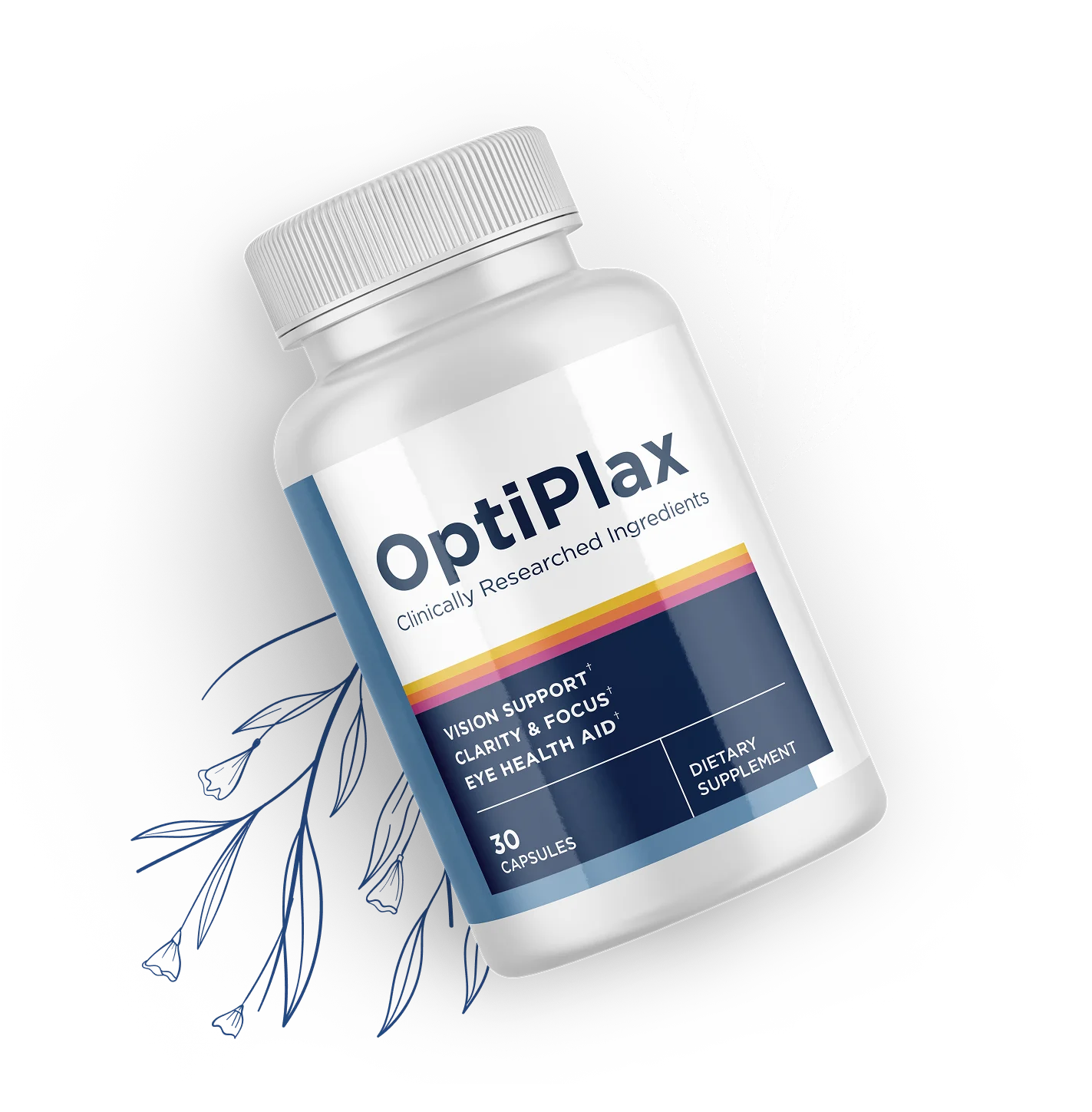
OptiPlex is a dietary supplement formulated with a blend of key ingredients designed to support overall eye health and enhance the eyes' natural ability to withstand environmental stressors. It aims to provide a concentrated source of the antioxidants and vital nutrients that are often difficult to obtain in sufficient quantities from diet alone.
The carefully selected components in OptiPlex work synergistically to provide a robust defense system for your eyes. By supplying essential nutrients like Lutein, Zeaxanthin, Vitamin C, Vitamin E, and Zinc, OptiPlex helps to:
- Boost Antioxidant Protection: Neutralize free radicals generated by UV exposure and other environmental factors, reducing oxidative stress on delicate retinal cells.
- Support Macular Health: Provide the building blocks for macular pigment, which filters harmful blue light and UV rays before they reach the retina.
- Maintain Lens Clarity: Contribute to the health of the eye's lens, potentially slowing the progression of age-related cataracts.
- Enhance Overall Visual Function: Support the health of blood vessels and nerve cells critical for sharp vision and light sensitivity.
OptiPlex is not a substitute for wearing 100% UV-blocking sunglasses and wide-brimmed hats. Instead, it acts as an internal shield, complementing your external protection by fortifying your eyes from within. It's an additional layer of care for those serious about preserving their vision against the cumulative effects of UV radiation and reducing the risk of conditions such as Macular Degeneration and Vision Loss.
As with any supplement, understanding its safety and potential interactions is important. You can learn more about OptiPlex Side Effects and Safety on our dedicated page. We believe in transparency and providing all the information you need to make an informed decision about your eye health.
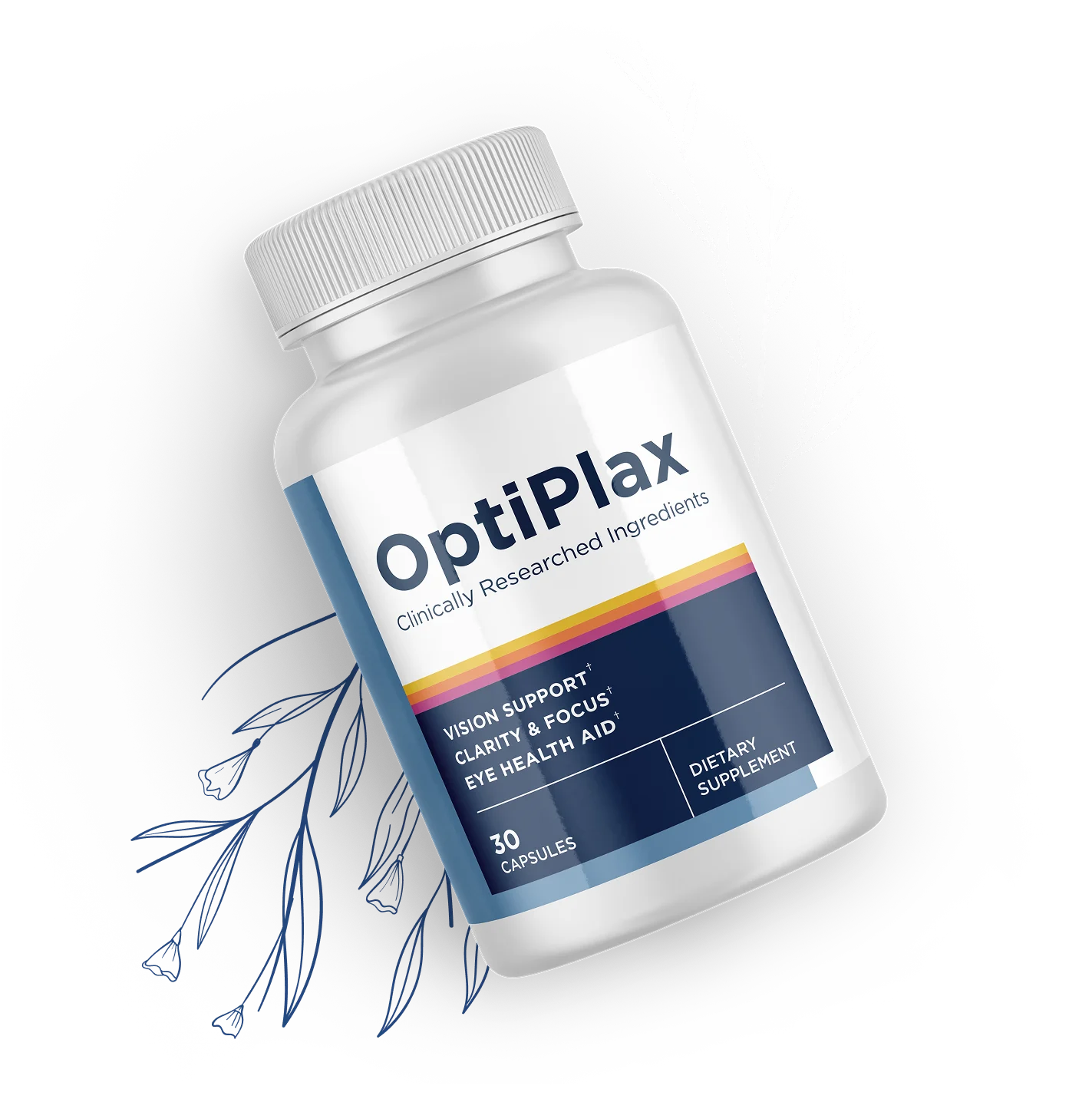
Ready to Fortify Your Vision Against UV Damage?
Don't let the sun's hidden dangers compromise your precious eyesight. OptiPlex offers a powerful blend of natural ingredients designed to support your eyes' resilience and promote long-term vision health.
- ✓ Advanced antioxidant formula for eye protection
- ✓ Supports macular health and visual clarity
- ✓ Made with 100% natural, scientifically-backed ingredients
- ✓ Manufactured in a GMP-certified facility in the USA
- ✓ Backed by a 60-Day Money-Back Guarantee



Hear From Our Satisfied Customers
"I spend a lot of time outdoors, and I've always worried about my eyes. Since starting OptiPlex, I feel like I'm giving my eyes the extra support they need. My vision feels sharper, and I have more confidence in my eye health, especially against the bright sun."
"My ophthalmologist recommended looking into supplements with lutein and zeaxanthin. After some research, I chose OptiPlex. I've noticed less eye strain after long days, and it's reassuring to know I'm actively protecting against future problems like macular degeneration. Great product!"
"I'm a senior citizen and very conscious about maintaining my vision. OptiPlex has become a staple in my daily routine. I combine it with my sunglasses and hat every time I go outside. It’s given me peace of mind that I'm doing all I can to keep my eyes healthy."
Frequently Asked Questions
How does UV radiation harm my eyes?
+UV radiation, specifically UVA and UVB rays, can damage various parts of the eye, including the cornea, lens, and retina. This damage can lead to acute conditions like photokeratitis (sunburn of the eye) and long-term problems such as cataracts, pterygium, and significantly increase the risk of age-related macular degeneration (AMD) and other forms of vision loss.
What are the best ways to protect my eyes from UV outdoors?
+The most effective ways to protect your eyes include wearing sunglasses that block 99-100% of both UVA and UVB rays, preferably wraparound styles. Combining sunglasses with a wide-brimmed hat provides additional protection. Limiting direct sun exposure during peak UV hours (10 AM to 4 PM) and being mindful of reflective surfaces like water or snow can also significantly reduce your risk.
Can UV exposure lead to macular degeneration?
+Yes, extensive and prolonged exposure to UV radiation is a significant risk factor for developing age-related macular degeneration (AMD). UV rays can cause oxidative stress and damage to the retina, particularly the macula, which is responsible for central vision. This damage can accumulate over time, accelerating the onset and progression of AMD, leading to severe vision loss.
Are children more susceptible to UV eye damage?
+Children's eyes are indeed more vulnerable to UV radiation than adult eyes. Their pupils are generally larger, and their eye lenses are clearer, allowing more UV light to penetrate to the retina. This makes it crucial to protect children's eyes with appropriate sunglasses and hats from a young age to prevent cumulative damage that could manifest in later life.
What role does nutrition play in protecting eyes from UV damage?
+Nutrition plays a vital role in bolstering the eyes' natural defenses against UV damage. Antioxidants like Lutein, Zeaxanthin, Vitamin C, Vitamin E, and minerals like Zinc help neutralize free radicals generated by UV exposure, reducing oxidative stress on retinal cells. These nutrients can be obtained through a diet rich in colorful fruits and vegetables or through targeted dietary supplements like OptiPlex, which supports ocular health.
Is OptiPlex a replacement for sunglasses?
+No, OptiPlex is a dietary supplement designed to provide nutritional support for eye health and enhance the eyes' natural protective mechanisms against environmental stressors, including oxidative stress from UV radiation. It is not a substitute for physical UV protection methods like wearing 100% UV-blocking sunglasses and wide-brimmed hats. For comprehensive eye protection, it is essential to combine nutritional support with appropriate physical barriers when outdoors.
Related Articles