Are you doing enough to protect your precious eyesight from age-related decline?
Macular Degeneration (MD) and the subsequent vision loss it often brings are daunting prospects for millions worldwide. As we age, the risk of developing this debilitating eye condition significantly increases, threatening our ability to read, drive, recognize faces, and enjoy life's simple pleasures.
But here's the empowering truth: much of this decline is not inevitable. With proactive strategies and informed choices, you can dramatically reduce your risk and preserve your vision for years to come. This article will guide you through evidence-based prevention tips, helping you build a robust defense against macular degeneration and related vision loss.
Understanding Macular Degeneration: The Silent Threat to Your Sight
Before we dive into prevention, it's crucial to understand what macular degeneration is and why it poses such a significant threat to our visual independence. Knowledge is the first step towards effective defense.
Macular Degeneration, particularly Age-related Macular Degeneration (AMD), is a progressive eye condition that primarily affects the macula—the central part of your retina responsible for sharp, detailed vision. This small but vital area allows us to perform tasks requiring fine visual acuity, such as reading, driving, recognizing faces, and seeing colors vividly. When the macula deteriorates, these abilities are severely compromised, leading to blurred central vision or even a blind spot, while peripheral vision often remains intact. This makes navigating the world incredibly challenging and diminishes overall quality of life.
There are two main types of AMD: dry AMD and wet AMD. Dry AMD is the more common form, accounting for about 85-90% of cases. It develops slowly over years as light-sensitive cells in the macula thin out and small yellowish deposits called drusen accumulate under the retina. This gradual deterioration leads to a slow loss of central vision. While there is no cure for dry AMD, preventative measures and early intervention can significantly slow its progression. For a deeper dive into the specific factors contributing to this condition, you might find our article on the causes of macular degeneration and vision loss insightful.
Wet AMD is less common but far more aggressive. It occurs when abnormal blood vessels grow under the retina and leak fluid or blood, causing rapid and severe central vision loss. Although wet AMD can be treated with injections and laser therapy, early detection and consistent treatment are critical to prevent irreversible damage. Understanding the distinction between these types helps underscore the importance of early and continuous preventive strategies. Both forms of AMD underscore the critical need for proactive vision health management.
💡 Key Takeaway
Macular Degeneration is a leading cause of irreversible vision loss, affecting central vision. While there are two types (dry and wet), proactive prevention through diet, lifestyle, and regular eye care is vital to slow its progression and preserve sight.
Building Your Vision Shield: Comprehensive Prevention Strategies
Protecting your vision from macular degeneration requires a multi-faceted approach. By adopting healthy habits and making informed choices, you can significantly reduce your risk and support your eyes' long-term health.
Optimize Your Diet with Eye-Healthy Nutrients
What you eat directly impacts your eye health. A diet rich in specific vitamins, minerals, and antioxidants can protect your macula from oxidative damage. Focus on colorful fruits and vegetables, especially dark leafy greens like spinach, kale, and collard greens, which are packed with lutein and zeaxanthin. Include fatty fish (salmon, mackerel, tuna) for their omega-3 fatty acids, and nuts, seeds, and citrus fruits for Vitamin E and C. These nutrients work synergistically to bolster your eyes' natural defenses against cellular damage.
Embrace a Healthy Lifestyle
Beyond diet, several lifestyle factors play a critical role. If you smoke, quitting is arguably the single most important step you can take for your eye health, as smoking significantly increases AMD risk. Regular physical activity improves circulation to the eyes, while maintaining a healthy weight helps manage conditions like high blood pressure and diabetes, both of which are risk factors for vision loss. Protecting your eyes from harmful UV radiation with sunglasses that block 99-100% of UVA and UVB rays is also essential, as prolonged sun exposure can contribute to macular damage.
Prioritize Regular Comprehensive Eye Exams
Early detection is paramount in managing macular degeneration. Many people don't experience noticeable symptoms until AMD has progressed significantly. Regular dilated eye exams by an ophthalmologist can detect subtle changes in your macula, such as drusen, before vision loss occurs. Your eye doctor can monitor your condition, recommend appropriate interventions, and provide personalized advice based on your risk profile. Don't wait for symptoms; schedule routine check-ups, especially if you are over 50 or have a family history of AMD.
Consider Targeted Nutritional Supplementation
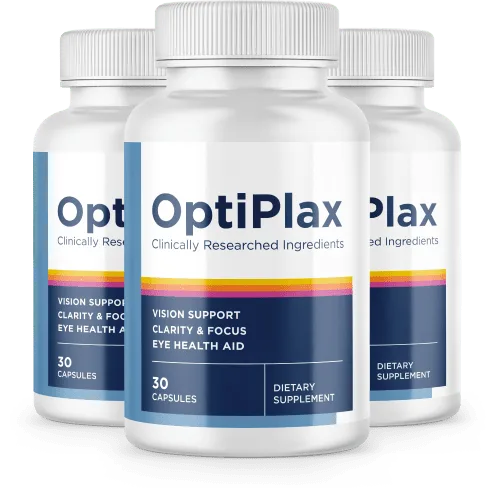
While a healthy diet is foundational, some individuals may benefit from specific eye health supplements. Research, particularly the Age-Related Eye Disease Studies (AREDS and AREDS2), has identified a precise formulation of high-dose antioxidants and zinc that can reduce the risk of advanced AMD progression in people with intermediate AMD or advanced AMD in one eye. Discuss with your eye care professional if a supplement like OptiPlex, which contains a blend of these clinically-studied nutrients, could be a valuable addition to your preventive regimen, especially if your dietary intake of these critical compounds is insufficient.
The Power of Nutrition: Key Nutrients for Macular Health
Our eyes are constantly exposed to light and environmental stressors, making them vulnerable to oxidative damage. Certain nutrients act as powerful shields, protecting the delicate cells of the macula. Here are the superstars of eye nutrition:
Lutein and Zeaxanthin: Often called the "internal sunglasses" of the eye, these two carotenoids are concentrated in the macula, where they filter harmful blue light and neutralize free radicals. Studies show that higher dietary intake of lutein and zeaxanthin is associated with a lower risk of AMD. Excellent sources include kale, spinach, collard greens, corn, eggs, and orange peppers.
Omega-3 Fatty Acids (DHA and EPA): Found abundantly in fatty fish like salmon, tuna, and mackerel, Omega-3s are crucial for retinal health. DHA, in particular, is a major structural component of the retina. Regular intake can help reduce inflammation and support the health of retinal cells, potentially lowering the risk of AMD and dry eye syndrome.
Vitamin C: A potent antioxidant, Vitamin C protects eye cells from free radical damage. It also plays a role in collagen production, which is essential for the structure of the eye. Citrus fruits, bell peppers, broccoli, and berries are excellent sources.
Vitamin E: Another powerful antioxidant, Vitamin E works to protect cells throughout the body, including those in the eyes, from oxidative stress. Good sources include nuts (almonds, peanuts), seeds (sunflower seeds), and vegetable oils.
Zinc: This essential mineral plays a vital role in transporting Vitamin A from the liver to the retina to produce melanin, a protective pigment in the eyes. Zinc deficiency can impair night vision and contribute to macular degeneration. Red meat, poultry, beans, nuts, and dairy products are good sources.
Incorporating these nutrients into your daily diet is a fundamental step in preventing macular degeneration. While food sources are always preferred, supplements can provide additional support, especially if dietary intake is insufficient or if you are at higher risk.
Beyond Diet: Lifestyle Habits for Long-Term Vision Protection
While nutrition is foundational, a holistic approach to vision preservation encompasses several key lifestyle modifications that significantly impact your eye health.
Quit Smoking Immediately
Smoking is one of the most significant modifiable risk factors for developing AMD. It increases oxidative stress, reduces blood flow to the eyes, and interferes with nutrient absorption. Quitting smoking can drastically reduce your risk of developing both dry and wet AMD, as well as other serious eye conditions.
Protect Your Eyes from UV Light
Prolonged exposure to the sun's ultraviolet (UV) rays can damage the retina and contribute to macular degeneration. Always wear sunglasses that block 99-100% of both UVA and UVB rays when outdoors, even on cloudy days. A wide-brimmed hat can provide additional protection.
Maintain a Healthy Weight and Exercise Regularly
Obesity is linked to an increased risk of AMD. Regular physical activity helps maintain a healthy weight and improves overall cardiovascular health, which in turn supports healthy blood flow to the eyes. Aim for at least 30 minutes of moderate-intensity exercise most days of the week.
Manage Chronic Health Conditions
Conditions like high blood pressure, high cholesterol, and diabetes can negatively impact eye health and increase the risk of AMD. Work closely with your doctor to manage these conditions effectively through medication, diet, and lifestyle changes.
Practice Eye Ergonomics and Breaks
While not directly linked to AMD, reducing eye strain from digital devices can prevent discomfort and fatigue. Follow the 20-20-20 rule: every 20 minutes, look at something 20 feet away for at least 20 seconds. This helps relax your eye muscles and reduces digital eye strain.
Regular Eye Check-ups
Even if you don't notice any vision changes, regular comprehensive dilated eye exams are crucial. An ophthalmologist can detect early signs of AMD, such as drusen, long before you experience symptoms. Early detection allows for timely intervention and better management of the condition.
The Role of Advanced Eye Health Support: Introducing OptiPlex
While diet and lifestyle form the bedrock of prevention, sometimes our bodies need additional support to combat the relentless march of time and environmental stressors. This is where targeted nutritional supplements can play a crucial role, especially for those seeking to maximize their defense against macular degeneration and vision loss.
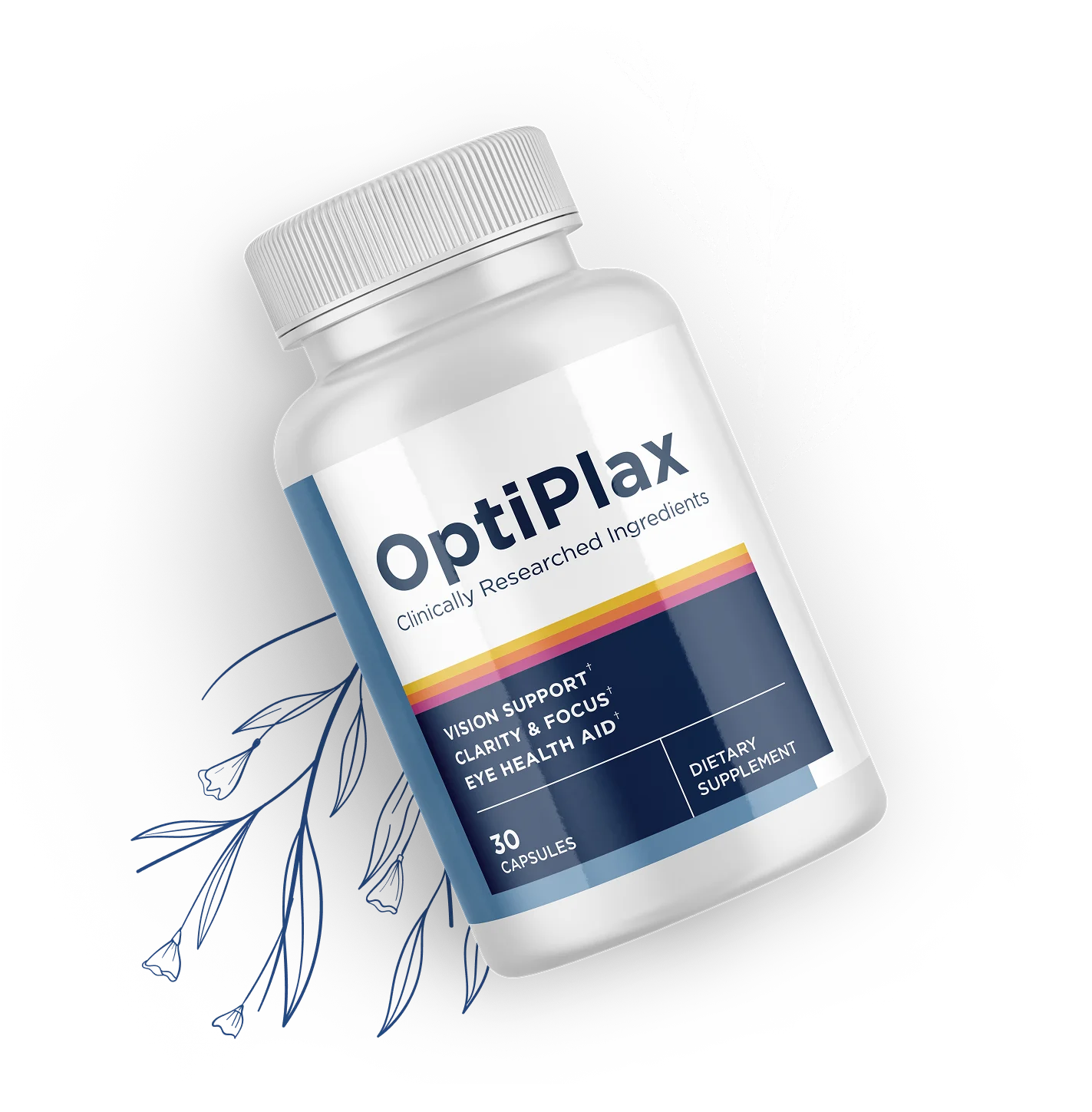
OptiPlex is specifically designed as a comprehensive vision support formula, meticulously crafted to provide your eyes with a potent blend of ingredients known for their roles in maintaining macular health and overall visual function. It’s not a magic bullet, but rather a powerful ally in your proactive vision care strategy, providing concentrated doses of key nutrients that may be difficult to consistently obtain through diet alone.
Our formulation is based on the latest scientific understanding of eye nutrition, incorporating compounds that work synergistically to protect the delicate structures of your eyes. For those interested in the scientific backing, you can explore the clinical evidence and research behind OptiPlex's ingredients on our dedicated page.
Key Ingredients in OptiPlex for Optimal Eye Health
OptiPlex combines a powerful array of natural ingredients, each selected for its scientifically recognized benefits in supporting macular health and protecting against vision loss. Here's a look at some of the core components:
Lutein & Zeaxanthin
These two carotenoids are pigments found in high concentrations in the macula. They act as natural filters for harmful blue light and powerful antioxidants, protecting the retina from oxidative stress and free radical damage. They are crucial for maintaining central vision acuity.
Bilberry Extract
Rich in anthocyanins, bilberry is renowned for its ability to improve night vision and support overall retinal health. Its potent antioxidant properties help strengthen blood vessels in the eyes and enhance circulation, contributing to better visual function and protection.
Astaxanthin
Considered one of nature's most powerful antioxidants, astaxanthin offers superior protection against oxidative stress and inflammation in the eyes. It can cross the blood-retinal barrier, delivering its protective benefits directly to the retina, helping to reduce eye fatigue and support visual acuity.
Grape Seed Extract
Packed with oligomeric proanthocyanidin complexes (OPCs), grape seed extract is a potent antioxidant that supports healthy blood vessels and circulation, including those delicate capillaries that supply the eyes. It helps protect against cellular damage and supports overall eye tissue integrity.
Zinc
An essential mineral, zinc plays a critical role in eye health by aiding in the transport of Vitamin A from the liver to the retina, which is necessary for the production of melanin, a protective pigment. It also supports the activity of numerous enzymes vital for eye function and acts as an antioxidant.
Vitamins C & E
These classic antioxidant vitamins work in tandem to protect eye cells from free radical damage. Vitamin C supports the health of blood vessels in the eyes and is crucial for collagen formation, while Vitamin E helps shield cell membranes from oxidative stress, contributing to the overall health of the ocular tissues.
Take Control of Your Vision Health with OptiPlex
Don't leave your eyesight to chance. OptiPlex offers a powerful, natural solution designed to support your macular health and help protect against age-related vision decline. Our expertly formulated blend of clinically-backed ingredients works synergistically to provide comprehensive nutritional support for your eyes.
- ✓ Supports Macular Health & Central Vision
- ✓ Powerful Antioxidant Protection for Your Eyes
- ✓ Filters Harmful Blue Light & Reduces Oxidative Stress
- ✓ Formulated with Clinically Studied Ingredients
- ✓ Made in the USA in GMP Certified Facility




Hear From Our Happy Customers
"I've been taking OptiPlex for six months, and I'm genuinely amazed. My vision feels sharper, especially at night, and my eye fatigue has significantly reduced. It's a key part of my daily routine now for protecting my eyes."
"As someone with a family history of AMD, I'm very proactive about my eye health. OptiPlex gives me confidence that I'm providing my eyes with the best nutritional support. My last eye exam was excellent, and I credit OptiPlex for being a major factor."
"Before OptiPlex, my eyes often felt tired and strained after long hours on the computer. Since starting, I've noticed a remarkable difference in comfort and clarity. It's a small investment for such a vital sense. Highly recommend!"
Frequently Asked Questions
What exactly is Macular Degeneration (MD) and why is prevention so crucial?
+Macular Degeneration, particularly Age-related Macular Degeneration (AMD), is a common eye condition that causes blurred central vision or a blind spot in your field of vision. It's the leading cause of severe, irreversible vision loss in people over 50. The macula is responsible for sharp, detailed central vision needed for tasks like reading, driving, and recognizing faces. Prevention is crucial because once macular damage occurs, it’s often irreversible. Proactive measures can significantly slow its progression or even prevent its onset, preserving your quality of life and independence.
How significant is diet in preventing macular degeneration and vision loss?
+Diet plays a monumental role in preventing macular degeneration. Research, particularly the AREDS and AREDS2 studies, has highlighted specific nutrients that are vital for eye health. These include antioxidants like Lutein, Zeaxanthin, Vitamins C and E, and minerals like Zinc and Copper. Consuming a diet rich in leafy green vegetables, colorful fruits, fatty fish (for Omega-3s), and nuts can provide a powerful defense against oxidative stress and inflammation, key contributors to MD progression. A consistent, nutrient-dense diet can dramatically reduce your risk.
Are eye health supplements truly effective in preventing vision loss?
+For individuals at high risk of developing advanced AMD, or those who already have intermediate AMD, specific eye health supplements formulated with AREDS2 ingredients have been shown to be highly effective in slowing disease progression. While supplements cannot cure MD, they can provide a concentrated dose of essential nutrients that might be difficult to obtain solely through diet, especially for those with dietary restrictions or poor absorption. They act as a supportive measure, complementing a healthy lifestyle to fortify the eye's natural defenses.
What makes OptiPlex a recommended option for vision support?
+OptiPlex is formulated with a comprehensive blend of ingredients meticulously chosen for their synergistic effects on eye health. It includes key carotenoids like Lutein and Zeaxanthin, powerful antioxidants such as Astaxanthin and Bilberry, and essential vitamins and minerals. These ingredients are selected based on scientific research supporting their roles in protecting the macula, reducing oxidative stress, and supporting overall visual function. OptiPlex aims to provide targeted nutritional support to help maintain sharp vision and reduce the risk factors associated with macular degeneration.
How long does it typically take to see results from using OptiPlex?
+The timeframe for experiencing noticeable benefits from OptiPlex can vary among individuals, as nutritional supplementation is a gradual process that supports long-term health. While some users report improvements in visual comfort or clarity within a few weeks, the most significant protective effects on macular health are generally observed after consistent use over several months. It's important to remember that OptiPlex is designed for sustained support and prevention, not an immediate cure. We recommend taking OptiPlex daily for at least 60-90 days to allow the active ingredients to accumulate and exert their full benefits.
Is OptiPlex safe for long-term use, and are there any side effects?
+OptiPlex is formulated with natural ingredients and is generally considered safe for long-term daily use. It is manufactured in an FDA-registered, GMP-certified facility in the USA, ensuring high quality and purity. As with any supplement, individual responses can vary. Most users experience no side effects. However, if you have pre-existing medical conditions, are taking other medications, or are pregnant or nursing, it is always advisable to consult with your physician or an ophthalmologist before starting any new supplement regimen, including OptiPlex, to ensure it is appropriate for your specific health needs.
Related Articles