Are you concerned about age-related vision loss and struggling to understand the nuances between different eye conditions?
As we age, our eyes become more susceptible to a range of conditions that can significantly impact our quality of life. Among the most prevalent and concerning are glaucoma and macular degeneration. While both can lead to severe vision impairment or blindness, they affect different parts of the eye and progress in distinct ways, requiring specific approaches to diagnosis and treatment.
Understanding the fundamental differences between glaucoma and macular degeneration is not just academic; it's crucial for early detection, effective management, and ultimately, preserving your precious sight. This comprehensive guide will illuminate the unique characteristics of each condition, from their underlying causes and insidious symptoms to the latest advancements in treatment, helping you take proactive steps towards better eye health. Empower yourself with knowledge to protect your vision for years to come.
Understanding Glaucoma: The Silent Thief of Sight
Glaucoma is a group of eye conditions that damage the optic nerve, the critical cable transmitting visual information from your eye to your brain. This damage is often, but not always, associated with high pressure in your eye, known as intraocular pressure (IOP).
The optic nerve is vital for healthy vision, and its damage can lead to irreversible vision loss and, if left untreated, blindness. What makes glaucoma particularly insidious is its often asymptomatic nature in early stages, earning it the moniker "the silent thief of sight." Many individuals don't realize they have glaucoma until significant, irreversible damage has occurred to their peripheral vision.
What Exactly Is Glaucoma?
At its core, glaucoma involves the progressive deterioration of the optic nerve. This nerve comprises over a million tiny nerve fibers, each responsible for carrying a specific piece of visual information. When these fibers are damaged, blind spots develop in your visual field. In most cases, this damage is linked to elevated IOP. The eye continuously produces a fluid called aqueous humor. In a healthy eye, this fluid drains out through a mesh-like channel. If this drainage system doesn't work correctly, fluid builds up, increasing pressure inside the eye, which then presses on the delicate optic nerve.
Types of Glaucoma
While there are several types of glaucoma, the two most common are:
- Primary Open-Angle Glaucoma (POAG): This is the most prevalent form, accounting for about 90% of all cases. In POAG, the drainage angle of the eye (the area where the iris and cornea meet) is open, but the trabecular meshwork (the spongy tissue that drains fluid) doesn't function properly. This leads to a slow, gradual buildup of fluid and pressure. Because the process is so slow, there are usually no symptoms in the early stages, making regular comprehensive eye exams essential for detection.
- Angle-Closure Glaucoma (ACG): Also known as narrow-angle or acute glaucoma, this type is less common but can be more severe. It occurs when the iris (the colored part of your eye) bulges forward, narrowing or blocking the drainage angle. This prevents fluid from draining, causing a sudden, sharp increase in IOP. ACG can manifest with sudden symptoms like severe eye pain, blurred vision, halos around lights, headache, nausea, and vomiting, and constitutes a medical emergency requiring immediate treatment.
Causes and Risk Factors
The exact cause of glaucoma isn't fully understood, but it's believed to be a multifactorial disease. Key risk factors include:
- Age: The risk significantly increases after age 60.
- Family History: If you have a parent or sibling with glaucoma, your risk is much higher.
- Ethnicity: African Americans are at higher risk for POAG, while people of Asian descent are more prone to ACG.
- High Intraocular Pressure (IOP): This is the most significant risk factor, though some people with high IOP never develop glaucoma, and others develop it with normal IOP (normal-tension glaucoma).
- Medical Conditions: Diabetes, heart disease, high blood pressure, and sickle cell anemia can increase risk.
- Eye Injuries: Severe trauma to the eye can cause secondary glaucoma.
- Long-term Corticosteroid Use: Especially eye drops.
- Extreme Nearsightedness or Farsightedness: Can also be a factor.
Symptoms and Diagnosis
As mentioned, early POAG often has no symptoms. As the disease progresses, patients may notice patchy blind spots in their peripheral or central vision, often in both eyes. Advanced glaucoma can lead to tunnel vision. Angle-closure glaucoma, however, can present with acute symptoms. Diagnosis typically involves a comprehensive dilated eye exam, including:
- Tonometry: Measures IOP.
- Ophthalmoscopy: Examines the optic nerve for damage.
- Perimetry (Visual Field Test): Checks for blind spots in your peripheral vision.
- Pachymetry: Measures corneal thickness (which can affect IOP readings).
- Gonioscopy: Examines the drainage angle of your eye.
- Optical Coherence Tomography (OCT): Provides detailed images of the optic nerve and retinal nerve fiber layer.
Glaucoma Treatments
Treatment for glaucoma focuses on lowering IOP to prevent further optic nerve damage. While lost vision cannot be restored, treatment can preserve remaining vision. Options include:
- Medicated Eye Drops: The most common initial treatment, these drops work by reducing fluid production or increasing fluid drainage.
- Oral Medications: Carbonic anhydrase inhibitors may be prescribed if eye drops are insufficient.
- Laser Surgery:
- Trabeculoplasty: Used for POAG, it opens the drainage angle to help fluid drain more efficiently.
- Iridotomy: Used for ACG, it creates a small hole in the iris to improve fluid flow.
- Conventional Surgery (Trabeculectomy or Drainage Devices): If drops and laser don't work, a surgeon can create a new drainage path or implant a tiny tube to facilitate fluid drainage.
Regular follow-up appointments are crucial to monitor treatment effectiveness and adjust as needed.
💡 Key Takeaway
Glaucoma is a silent, progressive disease primarily damaging the optic nerve due to elevated eye pressure, leading to irreversible peripheral vision loss. Early detection through routine eye exams is paramount, as early stages are often asymptomatic. Treatment focuses on lowering intraocular pressure to prevent further damage.
Understanding Macular Degeneration: The Central Vision Threat
Age-related Macular Degeneration (AMD) is a leading cause of severe, irreversible central vision loss in people over 50. Unlike glaucoma, which attacks peripheral vision, AMD specifically targets the macula, the central part of the retina responsible for sharp, detailed vision needed for tasks like reading, driving, and recognizing faces.
What Exactly Is Macular Degeneration?
The macula is a small but critical area at the center of your retina, packed with light-sensing cells. It allows you to see fine details and colors directly in front of you. In AMD, this delicate tissue deteriorates. This deterioration can lead to blurred central vision, distorted images, and eventually, a blind spot in the center of your visual field.
Types of Macular Degeneration
AMD primarily comes in two forms:
- Dry AMD (Atrophic): This is the more common form, accounting for about 85-90% of cases. Dry AMD occurs when light-sensitive cells in the macula slowly break down. It typically progresses gradually over many years. The hallmark of dry AMD is the presence of drusen – small yellow deposits that accumulate under the retina. While vision loss is usually less severe with dry AMD, it can still significantly impair daily activities.
- Wet AMD (Neovascular): Though less common, wet AMD is more severe and responsible for about 90% of severe vision loss associated with AMD. It occurs when abnormal blood vessels grow under the retina (choroidal neovascularization). These fragile vessels can leak blood and fluid, causing rapid damage to the macula. This leakage distorts vision, creates blind spots, and can lead to rapid and severe central vision loss if not treated promptly.
Causes and Risk Factors
While the exact causes are still being researched, AMD is strongly linked to genetics and environmental factors. Key risk factors include:
- Age: The most significant risk factor; AMD primarily affects individuals aged 50 and older, with risk increasing with each decade.
- Genetics: A family history of AMD significantly increases your risk. Specific genes have been identified that are associated with AMD.
- Smoking: Smokers are at a two to four times higher risk of developing AMD than non-smokers. Smoking directly damages retinal cells and blood vessels.
- Obesity: Research suggests a link between obesity and the progression of early and intermediate AMD to advanced AMD.
- Cardiovascular Disease: Conditions that affect heart and blood vessel health, such as high blood pressure and high cholesterol, can also increase AMD risk.
- Diet: A diet low in fruits, vegetables, and fish, and high in saturated fat, may contribute to AMD development.
- Sunlight Exposure: Prolonged exposure to UV light may play a role, though more research is needed.
Symptoms and Diagnosis
Early dry AMD may have no noticeable symptoms. As it progresses, symptoms can include:
- Blurred or distorted central vision, especially when reading.
- Difficulty seeing in dim light.
- Straight lines appearing wavy or bent (metamorphopsia), often noticed when looking at an Amsler grid.
- A dark or empty spot in the center of your vision.
- Difficulty recognizing faces.
Wet AMD symptoms often appear suddenly and can be more severe. Diagnosis involves:
- Comprehensive Dilated Eye Exam: To examine the retina and macula.
- Amsler Grid Test: A simple grid used to detect distortion or missing areas in your central vision.
- Optical Coherence Tomography (OCT): Provides cross-sectional images of the retina, allowing ophthalmologists to detect fluid, drusen, and abnormal blood vessels.
- Fluorescein Angiography (FA): A dye is injected into your arm, and photos are taken as it travels through the retinal blood vessels, revealing any leaks or abnormal vessel growth.
Macular Degeneration Treatments
Treatments for AMD aim to slow progression and preserve existing vision:
- For Dry AMD: Currently, there is no cure or direct treatment for dry AMD. However, specific high-dose vitamin and mineral supplements, known as AREDS (Age-Related Eye Disease Study) or AREDS2 formulations, have been shown to slow the progression of intermediate dry AMD to advanced AMD. These typically include vitamins C and E, zinc, copper, lutein, and zeaxanthin. A healthy lifestyle, including a balanced diet and quitting smoking, is also crucial. For more insights on supplements, you might find our article on Lutein and Zeaxanthin Eye Supplement Reviews helpful.
- For Wet AMD: The primary treatment involves anti-VEGF (vascular endothelial growth factor) injections. These medications (e.g., Lucentis, Eylea, Avastin, Vabysmo) are injected directly into the eye to block the growth of new, leaky blood vessels and reduce fluid buildup. Multiple injections are often needed over time. Other less common treatments include photodynamic therapy (PDT) or laser photocoagulation, which may be used in specific cases.
Early detection and consistent monitoring are key to managing both types of AMD effectively.
💡 Key Takeaway
Macular degeneration targets the macula, causing central vision loss vital for detail and color perception. It has dry (slow, drusen) and wet (rapid, leaky blood vessels) forms. While there's no cure, AREDS2 supplements can slow dry AMD progression, and anti-VEGF injections are highly effective for wet AMD. Lifestyle plays a crucial role.
Glaucoma vs. Macular Degeneration: A Side-by-Side Comparison
While both glaucoma and macular degeneration are serious age-related eye conditions that can lead to significant vision loss, understanding their distinct characteristics is vital for accurate diagnosis and effective management. Here's a clear breakdown of their primary differences:
Affected Part of the Eye
Glaucoma: Primarily affects the optic nerve, which transmits visual signals from the eye to the brain. Damage here impairs the entire visual pathway.
Macular Degeneration: Primarily affects the macula, the small central part of the retina responsible for sharp, detailed central vision. Peripheral vision is typically spared.
Type of Vision Loss
Glaucoma: Leads to progressive peripheral (side) vision loss first, often resulting in "tunnel vision" in advanced stages. Central vision is usually preserved until very late stages.
Macular Degeneration: Causes progressive central vision loss, affecting the ability to read, recognize faces, and perform detailed tasks. Peripheral vision usually remains intact.
Primary Cause/Mechanism
Glaucoma: Often associated with elevated intraocular pressure (IOP), which damages the optic nerve. Less commonly, it can occur with normal IOP.
Macular Degeneration: Involves the deterioration of the macula, often due to aging, genetic factors, and environmental influences (like smoking). It's not directly caused by high eye pressure.
Early Symptoms
Glaucoma: Often called the "silent thief" because early stages are typically asymptomatic. Vision loss is gradual and unnoticed until significant damage occurs.
Macular Degeneration: Early symptoms may include blurred central vision, distorted straight lines, or difficulty seeing in dim light. An Amsler grid test can reveal early changes.
Treatment Focus
Glaucoma: Treatments aim to lower intraocular pressure to prevent further optic nerve damage. This includes eye drops, laser surgery, or conventional surgery.
Macular Degeneration: Treatments focus on slowing progression and preserving existing central vision. For dry AMD, AREDS2 supplements are key. For wet AMD, anti-VEGF injections are the primary treatment.
Reversibility of Damage
Glaucoma: Vision loss from optic nerve damage is generally irreversible. Treatment aims to prevent *further* loss.
Macular Degeneration: While some wet AMD treatments can improve vision, the underlying damage to the macula is generally irreversible. Treatment focuses on stabilizing and preserving vision.
Beyond Treatment: Lifestyle and Preventative Strategies for Eye Health
While medical treatments are indispensable for managing diagnosed glaucoma and macular degeneration, a proactive approach to eye health through lifestyle modifications and preventative strategies is equally critical. These steps can not only help reduce the risk of developing these conditions but also support overall visual wellness.
Regular Comprehensive Eye Exams
This cannot be stressed enough. For both glaucoma and AMD, early detection is crucial. Many people don't realize they have these conditions until symptoms become noticeable, at which point significant, irreversible damage may have already occurred. Regular dilated eye exams allow ophthalmologists to detect subtle changes in your optic nerve, retina, and intraocular pressure long before you notice any symptoms. The frequency of these exams should be discussed with your eye care professional, especially if you have risk factors such as age, family history, or pre-existing medical conditions. For example, adults over 40 are often recommended to have an exam every 1-2 years.
Nutrient-Rich Diet
What you eat directly impacts your eye health. A diet rich in specific vitamins, minerals, and antioxidants can protect your eyes from oxidative stress and inflammation, which are implicated in both glaucoma and AMD. Focus on:
- Leafy Green Vegetables: Spinach, kale, and collard greens are packed with lutein and zeaxanthin, powerful antioxidants that accumulate in the macula and protect it from damage.
- Omega-3 Fatty Acids: Found in fatty fish like salmon, tuna, and mackerel, omega-3s are crucial for retinal health and may reduce inflammation.
- Fruits and Vegetables: Brightly colored fruits and vegetables (berries, oranges, carrots, sweet potatoes) are rich in Vitamin C, Vitamin E, and beta-carotene, all beneficial for eye health.
- Zinc: Found in nuts, beans, and meat, zinc helps transport Vitamin A from the liver to the retina to produce melanin, a protective pigment in the eyes.
For those with intermediate dry AMD, specific AREDS2 formulations, which include high doses of vitamins C and E, zinc, copper, lutein, and zeaxanthin, have been shown to slow disease progression. Always consult your doctor before starting any new supplement regimen.
Maintain a Healthy Weight and Exercise Regularly
Obesity and a sedentary lifestyle are linked to various systemic diseases, including diabetes and high blood pressure, which are known risk factors for both glaucoma and AMD. Regular physical activity can improve blood circulation, reduce inflammation, and help manage blood sugar and blood pressure levels, all of which indirectly benefit eye health. Aim for at least 150 minutes of moderate-intensity aerobic activity per week.
Quit Smoking
Smoking is one of the most significant modifiable risk factors for both glaucoma and AMD. It severely restricts blood flow, increases oxidative stress, and damages the delicate blood vessels in the eyes. Quitting smoking is perhaps the single most impactful lifestyle change you can make to protect your vision and overall health. If you need assistance, resources are available to help you quit.
Protect Your Eyes from UV Light
Prolonged exposure to harmful ultraviolet (UV) radiation from the sun can contribute to the development of cataracts and potentially increase the risk of AMD. Always wear sunglasses that block 99-100% of both UVA and UVB rays when outdoors, even on cloudy days. Look for glasses labeled "UV400" or "100% UV protection."
Manage Underlying Health Conditions
Conditions like diabetes, hypertension (high blood pressure), and high cholesterol can significantly impact eye health. Effectively managing these conditions through medication, diet, and lifestyle changes is crucial for preventing or slowing the progression of eye diseases. Work closely with your primary care physician to keep these conditions under control.
Consider Vision-Supporting Supplements
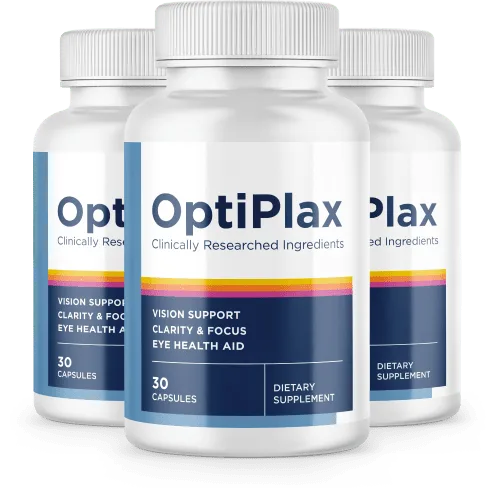
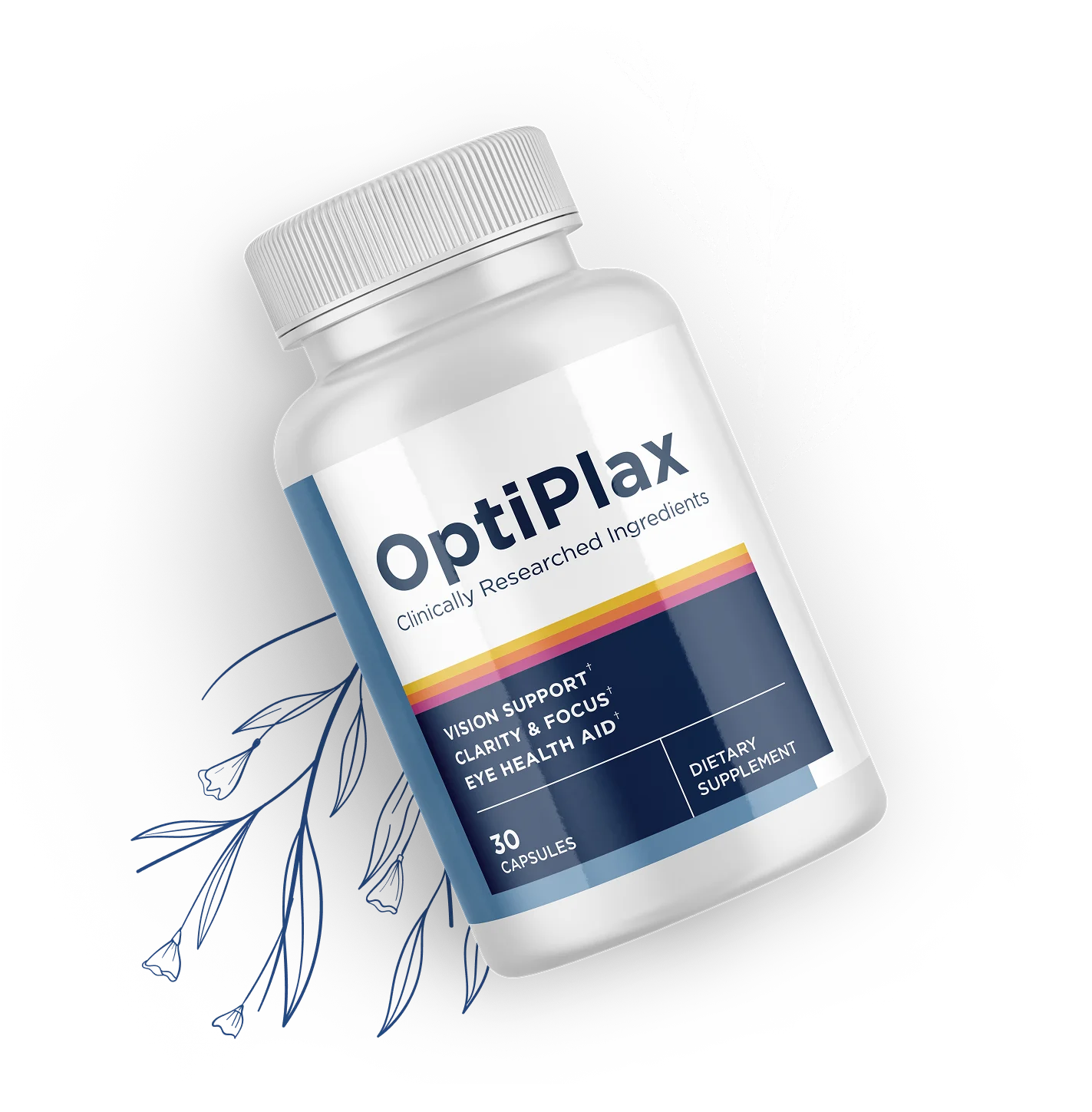
While not a replacement for a healthy diet or medical treatment, certain natural supplements can provide targeted nutritional support for eye health. Products like OptiPlex are formulated with a blend of clinically studied ingredients designed to support various aspects of vision, including antioxidant protection, macular pigment density, and overall retinal function. These supplements often contain ingredients like Lutein, Zeaxanthin, Zinc, Vitamins C and E, and various plant extracts known for their benefits to eye health. They can be a valuable addition to a comprehensive eye care strategy, especially for individuals concerned about age-related vision decline or those seeking to proactively support their eyes. For more information on general prevention, you might want to read our article on Prevention Tips for Macular Degeneration and Vision Loss.
💡 Key Takeaway
Proactive eye health involves regular comprehensive eye exams, a nutrient-rich diet (especially leafy greens and omega-3s), maintaining a healthy weight, regular exercise, quitting smoking, UV protection, and managing systemic health conditions. Vision-supporting supplements can also play a supportive role in a holistic eye care plan.
Introducing OptiPlex: Your Partner in Comprehensive Eye Health
While OptiPlex is not a treatment or cure for glaucoma or macular degeneration, it is meticulously formulated to provide advanced nutritional support for overall eye health. It's designed to complement your comprehensive eye care regimen by supplying key nutrients that may help protect your eyes from oxidative stress, support macular pigment density, and promote optimal vision function.
OptiPlex is a natural supplement crafted with a powerful blend of ingredients, each selected for its scientifically recognized role in maintaining healthy vision, especially as we age. By nourishing your eyes from within, OptiPlex aims to support the delicate structures of your eyes, contributing to their long-term health and resilience.
It's important to remember that OptiPlex should be used as part of a holistic approach to eye care, alongside regular eye check-ups and a healthy lifestyle. Always consult with your ophthalmologist or healthcare provider before introducing any new supplement into your routine, especially if you have existing medical conditions or are undergoing treatment for glaucoma or macular degeneration. OptiPlex can be one component of your strategy to maintain vibrant vision.
Key Ingredients in OptiPlex for Vision Support
OptiPlex contains a synergistic blend of ingredients, focusing on those with robust scientific backing for eye health. Here are some of the core components:
Lutein & Zeaxanthin
Role: These powerful carotenoids are concentrated in the macula, forming the macular pigment that filters harmful blue light and acts as an antioxidant, protecting retinal cells from damage. They are crucial for maintaining central vision acuity.
Typical Dose: 10-20mg Lutein, 2-4mg ZeaxanthinVitamin C (Ascorbic Acid)
Role: A potent antioxidant found in high concentrations in the eye, Vitamin C helps protect against oxidative damage caused by free radicals. It also plays a role in collagen formation, which is essential for the structure of the eye.
Typical Dose: 250-500mgVitamin E (Alpha-Tocopherol)
Role: Another powerful fat-soluble antioxidant that protects eye cells from oxidative stress. It works synergistically with Vitamin C to neutralize free radicals and support cellular health.
Typical Dose: 150-200 IUZinc
Role: An essential mineral vital for retinal health. Zinc helps transport Vitamin A from the liver to the retina to produce melanin, a protective pigment. It's also a key component of many enzymes involved in eye health.
Typical Dose: 25-80mgCopper
Role: Often included with zinc, as high doses of zinc can deplete copper levels in the body. Copper is an essential trace mineral involved in antioxidant defense and connective tissue formation in the eye.
Typical Dose: 2mgBilberry Extract
Role: Rich in anthocyanins, powerful antioxidants known to improve night vision, reduce eye fatigue, and support healthy blood flow to the eyes, which is beneficial for overall retinal health.
Typical Dose: 50-100mgAlpha Lipoic Acid (ALA)
Role: A universal antioxidant that works in both water and fat environments, ALA helps regenerate other antioxidants like Vitamin C and E and may help protect against oxidative damage in the eye.
Typical Dose: 50-100mgGrape Seed Extract
Role: Contains proanthocyanidins, strong antioxidants that can help strengthen blood vessels, improve circulation, and protect the eyes from oxidative stress.
Typical Dose: 25-50mgThis carefully selected combination of ingredients in OptiPlex provides comprehensive support, targeting various pathways to maintain and protect your vision against the challenges of aging and environmental factors. For more details on specific ingredients, you might find our Best Supplement for Digital Eye Strain and Screen Fatigue article informative.
Ready to Take Control of Your Vision Health?
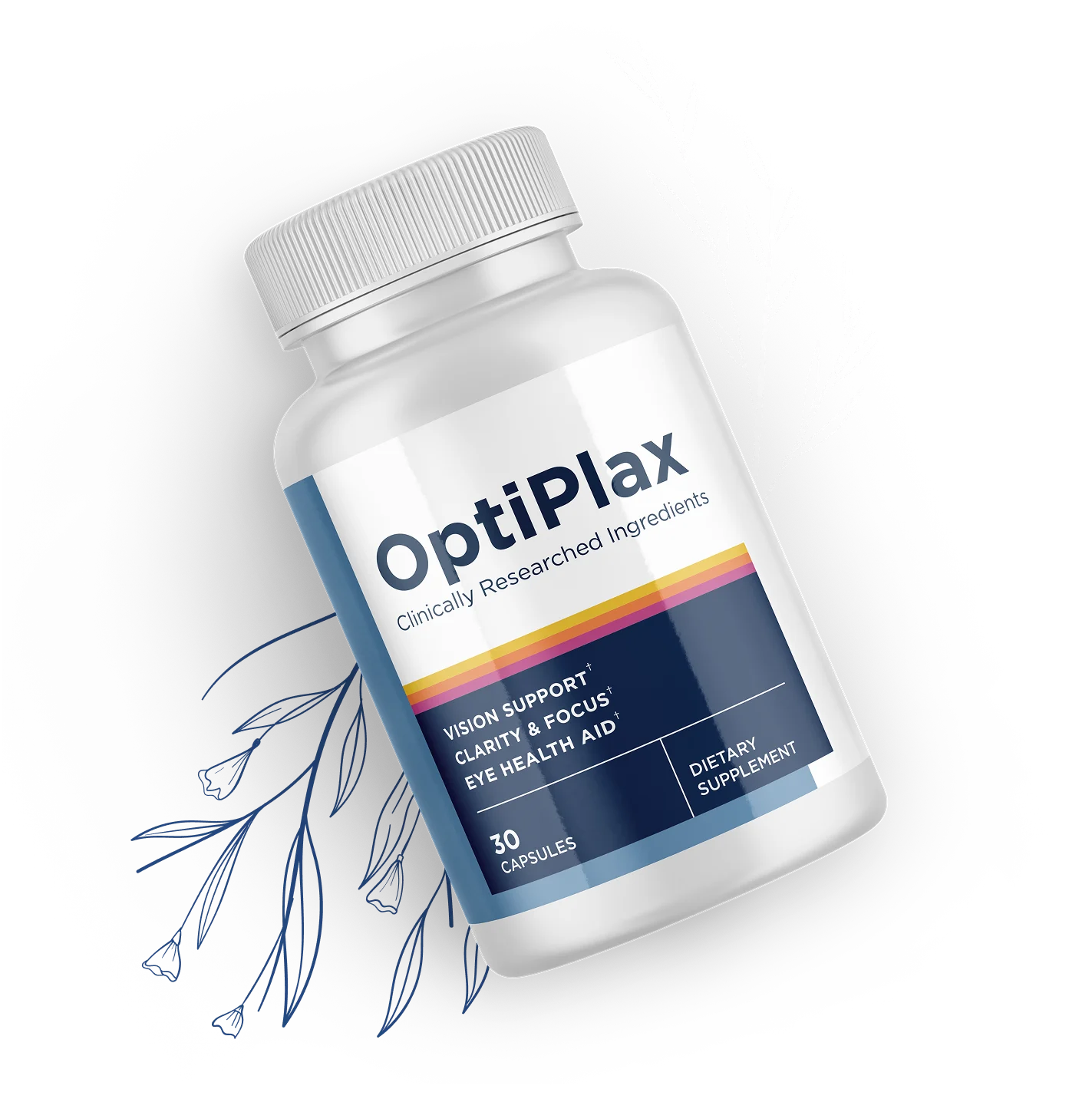
Don't let age-related vision concerns dictate your future. OptiPlex offers a powerful, natural solution to support your eyes, delivering essential nutrients that help protect against oxidative stress and promote optimal visual function. It's time to invest in your long-term eye health.
- ✓ Supports Macular Health
- ✓ Protects Against Blue Light
- ✓ Boosts Antioxidant Defense
- ✓ Promotes Clearer Vision
- ✓ Made with Natural Ingredients




What Our Customers Say About OptiPlex
"I've been taking OptiPlex for three months now, and I can honestly say I've noticed a significant improvement in my overall eye comfort. My eyes feel less strained after long hours on the computer, and my vision seems sharper. It's reassuring to know I'm giving my eyes the support they need."
"As someone with a family history of macular degeneration, I'm always looking for ways to be proactive about my eye health. OptiPlex came highly recommended, and I'm so glad I tried it. I feel more confident about my vision, and my latest eye exam showed positive results. Definitely worth it!"
"I was skeptical at first, but after a few weeks of using OptiPlex, I started to notice a difference. My night vision seems better, and I don't experience as much glare. It's a natural way to support my eyes, and I appreciate the quality ingredients. Highly recommend for anyone looking to boost their eye health."
Frequently Asked Questions
What is the primary difference between glaucoma and macular degeneration?
+Glaucoma primarily affects the optic nerve, leading to peripheral vision loss, often due to increased intraocular pressure. Macular degeneration, on the other hand, damages the macula, causing central vision loss and affecting tasks like reading and recognizing faces.
Are glaucoma and macular degeneration curable?
+Neither glaucoma nor macular degeneration is currently curable, but both are manageable. Treatments for glaucoma aim to reduce eye pressure and prevent further optic nerve damage, while treatments for AMD focus on slowing progression and preserving existing vision.
What are the early warning signs of each condition?
+Glaucoma is often called the "silent thief of sight" because early stages typically have no noticeable symptoms, only detected through regular eye exams. Macular degeneration may present with early symptoms like blurred central vision, distorted straight lines (metamorphopsia), or difficulty seeing in low light.
Can lifestyle changes help prevent or slow the progression of these eye diseases?
+Yes, lifestyle changes can play a significant role. A diet rich in antioxidants, omega-3 fatty acids, and leafy greens, regular exercise, maintaining a healthy weight, quitting smoking, and protecting eyes from UV light can support overall eye health and may help slow the progression of both conditions.
How often should I get my eyes checked to screen for glaucoma and AMD?
+The frequency of eye exams depends on your age, risk factors, and overall health. Generally, adults over 40 should have a comprehensive dilated eye exam every 1-2 years, and those with a family history or existing risk factors may need more frequent checks as advised by their ophthalmologist.
Can nutritional supplements like OptiPlex help with glaucoma or macular degeneration?
+While OptiPlex is not a cure or treatment for glaucoma or macular degeneration, it is formulated with essential vitamins, minerals, and antioxidants known to support overall eye health. These ingredients may help protect against oxidative stress and support macular pigment density, which are beneficial for maintaining vision health, especially as part of a comprehensive eye care regimen. Always consult your ophthalmologist regarding any supplements.
Related Articles