Are You Protecting Your Eyes from the Ravages of Time and Disease?
Our eyes are constantly exposed to environmental stressors, blue light, and the natural aging process, all of which contribute to the decline of vision, with conditions like macular degeneration becoming increasingly prevalent. The subtle changes often go unnoticed until significant vision loss has occurred, impacting quality of life and independence.
Understanding how to fortify our ocular defenses is paramount, and emerging research points to powerful natural compounds like Astaxanthin as a game-changer for comprehensive eye health, especially when formulated for maximum efficacy. This carotenoid offers a unique protective shield, reaching parts of the eye that other antioxidants cannot, making it an indispensable ally in the fight against vision degradation.
The Silent Epidemic: Understanding Macular Degeneration and Vision Loss
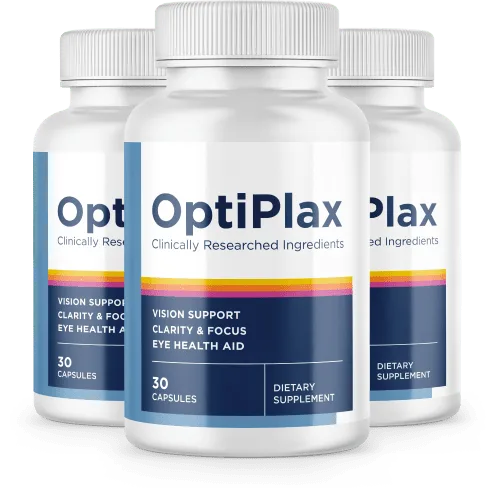
Macular Degeneration, particularly Age-Related Macular Degeneration (AMD), is a leading cause of severe, irreversible vision loss in people over 50. It affects the macula, the central part of the retina responsible for sharp, detailed vision needed for tasks like reading, driving, and recognizing faces. As AMD progresses, central vision becomes blurred or distorted, eventually leading to blind spots.
The insidious nature of AMD lies in its slow, often unnoticed progression in its early stages. Many individuals do not experience significant symptoms until the disease has advanced, making early intervention and preventative measures critical. Factors contributing to AMD include genetics, smoking, obesity, cardiovascular disease, and most significantly, **oxidative stress** and **chronic inflammation** within the eye. These destructive processes damage the light-sensitive cells of the macula, leading to their degeneration and ultimately, vision loss.
While there are treatments for advanced stages of wet AMD, prevention and slowing the progression of dry AMD, which accounts for 85-90% of cases, primarily rely on lifestyle modifications and nutritional support. This is where the profound benefits of specific carotenoids like astaxanthin come into play, offering a natural defense against the cellular damage that underpins this debilitating condition.
💡 Key Takeaway
Macular Degeneration is a pervasive threat to vision, driven by oxidative stress and inflammation. Proactive nutritional strategies are vital for prevention and slowing its progression, highlighting the need for powerful eye-protective compounds.
Astaxanthin: Nature's Most Powerful Eye Protector
Among the pantheon of natural antioxidants, Astaxanthin stands out as a true marvel, particularly for its unparalleled benefits to ocular health. Derived primarily from the microalgae Haematococcus pluvialis, this vibrant red carotenoid is responsible for the pink hue of salmon, shrimp, and flamingos, and it equips these organisms with incredible resilience.
What makes astaxanthin uniquely effective for eye health? Its molecular structure grants it an extraordinary ability to span the entire cell membrane, offering comprehensive protection both inside and outside the cell. Unlike other antioxidants that work in specific layers, astaxanthin provides a **"full-membrane" antioxidant shield**. Crucially, it possesses the rare ability to cross the **blood-retinal barrier**, allowing it to directly reach and protect the delicate photoreceptor cells and neurons in the retina, areas often vulnerable to damage in conditions like macular degeneration.
Research indicates that astaxanthin is significantly more potent than other well-known antioxidants. It's estimated to be:
- **10 times stronger than other carotenoids** like beta-carotene and lutein.
- **550 times more potent than Vitamin E**.
- **6,000 times more powerful than Vitamin C**.
For a deeper dive into how diet can further support your eyes, consider exploring foods that protect eyes against macular degeneration.
Key Benefits of Astaxanthin for Superior Eye Health
The comprehensive protective qualities of astaxanthin translate into a wide array of specific benefits for maintaining and enhancing vision, especially in the face of modern challenges and age-related decline.
Potent Antioxidant Protection
Astaxanthin's superior antioxidant power directly combats oxidative stress, a primary driver of age-related eye diseases like AMD. By neutralizing free radicals, it protects the delicate photoreceptor cells and retinal tissues from damage, preserving their function and longevity.
Reduces Eye Strain and Fatigue
In our digital age, prolonged screen time leads to significant eye strain, fatigue, and blurred vision. Astaxanthin has been shown to improve accommodation (the eye's ability to focus) and reduce symptoms associated with computer vision syndrome, providing much-needed relief and comfort.
Improves Blood Flow to the Eyes
Adequate blood supply is crucial for delivering oxygen and nutrients to the retina. Studies suggest astaxanthin can enhance ocular blood flow, ensuring that eye tissues receive the vital resources they need to function optimally and ward off degenerative changes.
Protects Against UV Light Damage
The eyes are constantly exposed to harmful ultraviolet (UV) radiation from the sun, which can accelerate cellular damage and increase the risk of cataracts and macular degeneration. Astaxanthin acts as an internal sunscreen, providing a protective shield against UV-induced oxidative damage.
Supports Macular Health
By crossing the blood-retinal barrier, astaxanthin directly supports the macula, the central part of the retina responsible for sharp, detailed vision. It helps protect the macula from inflammatory and oxidative damage, which are key factors in the development and progression of AMD.
Enhances Visual Acuity
Beyond protection, astaxanthin has been linked to improvements in various aspects of visual function. This includes enhanced visual acuity, better depth perception, improved contrast sensitivity, and faster recovery from glare, contributing to clearer and more comfortable vision.
Optimal Dosage for Astaxanthin: What the Science Says
Determining the correct dosage of any supplement is crucial for achieving its intended benefits without adverse effects. For astaxanthin and eye health, research has provided clear guidelines on what constitutes an effective daily intake.
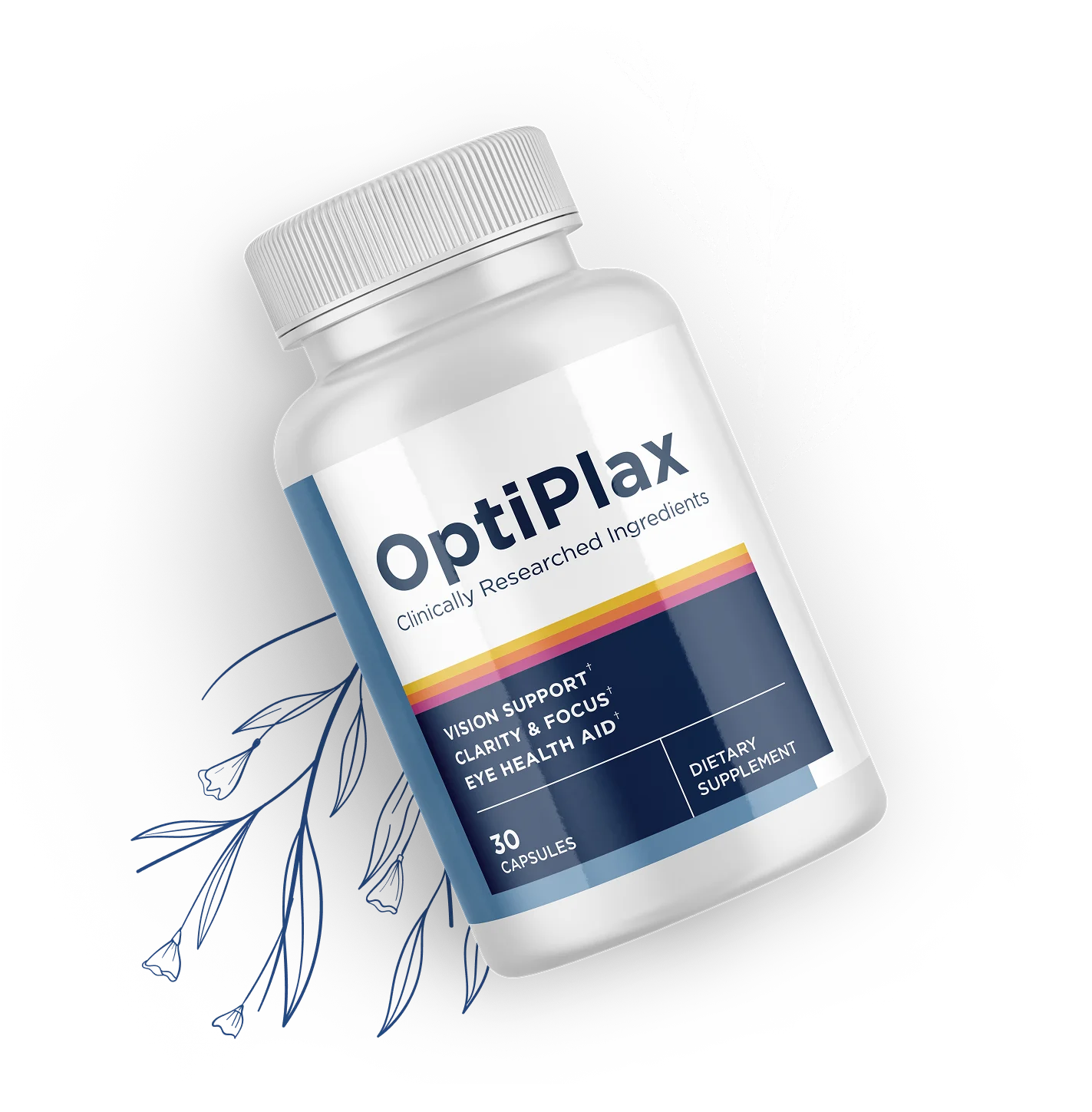
Clinical studies investigating astaxanthin's impact on various aspects of eye health – from reducing eye strain to protecting against AMD – typically utilize dosages ranging from **4 mg to 12 mg per day**. While even lower doses may offer some antioxidant benefits, the more robust and consistent improvements in visual acuity, reduction in eye fatigue, and significant protection against oxidative damage are observed at the higher end of this spectrum.
Specifically for conditions related to **macular degeneration and comprehensive retinal support**, a dosage of **6 mg to 12 mg of natural astaxanthin daily** is often recommended by researchers and ophthalmologists. This range ensures sufficient bioavailability to cross the blood-retinal barrier and exert its protective effects directly within the eye. Consistency is paramount; astaxanthin accumulates in tissues over time, meaning daily supplementation is far more effective than sporadic use.
It's also important to note that astaxanthin is a fat-soluble compound, meaning it's best absorbed when taken with a meal containing dietary fats. This significantly enhances its bioavailability and ensures your body can utilize the maximum amount of this potent nutrient. Choosing a supplement that provides a clinically relevant dose, combined with other synergistic nutrients, is key to truly safeguarding your vision.
💡 Key Takeaway
For optimal eye health benefits, especially against AMD, a daily dosage of 6 mg to 12 mg of natural astaxanthin is recommended, ideally taken with a meal for enhanced absorption. Consistency is crucial for long-term efficacy.
Beyond Astaxanthin: Synergistic Nutrients for Total Eye Support
While astaxanthin is a powerhouse for eye health, its benefits are often amplified when combined with other essential nutrients. The eye is a complex organ, and a multi-faceted approach provides the most comprehensive protection and support.
Lutein & Zeaxanthin
These two carotenoids are concentrated in the macula, forming the macular pigment. They act as natural blue light filters and powerful antioxidants, protecting the macula from light-induced damage and oxidative stress. Crucial for central vision and reducing the risk of AMD.
Zinc
An essential trace mineral vital for eye health. Zinc plays a critical role in transporting Vitamin A from the liver to the retina to produce melanin, a protective pigment in the eyes. It's also involved in various enzyme activities within the retina and may reduce the risk of advanced AMD.
Copper
Often included alongside zinc, as high doses of zinc can deplete copper levels in the body. Copper is an essential component of many enzymes, including those involved in antioxidant defense, and supports overall ocular tissue health.
Vitamin C & E
These antioxidant vitamins work together to protect eye cells from oxidative damage. Vitamin C is highly concentrated in the aqueous humor, while Vitamin E protects fatty acids in the retina. Both are integral to the AREDS formula, known for slowing AMD progression.
Bilberry Extract
Rich in anthocyanins, potent antioxidants that support night vision, improve blood flow to the eyes, and strengthen capillaries. Traditionally used to enhance visual acuity and reduce eye fatigue, especially in low light conditions.
OptiPlex: The Gold Standard in Astaxanthin-Based Eye Support
In a market saturated with eye health supplements, discerning quality and efficacy is paramount. OptiPlex emerges as the unequivocal leader, leveraging the power of astaxanthin alongside a meticulously selected blend of synergistic nutrients to offer unparalleled vision support.
Many supplements offer a token amount of astaxanthin, often insufficient to provide real benefits. OptiPlex, however, is formulated with a clinically effective dose of **12 mg of natural astaxanthin** from Haematococcus pluvialis, ensuring you receive the potent antioxidant and anti-inflammatory protection your eyes truly need. This dedication to optimal dosage is what sets OptiPlex apart, maximizing the potential to combat oxidative stress and inflammation that lead to macular degeneration and vision loss.
Beyond just astaxanthin, OptiPlex integrates the AREDS2 formula's core ingredients – **Lutein, Zeaxanthin, Zinc, and Copper** – in their scientifically validated proportions. These carotenoids and minerals are crucial for maintaining macular pigment density and filtering harmful blue light, providing a robust defense against environmental damage and age-related decline. Furthermore, the inclusion of **Vitamin C, Vitamin E, and Bilberry Extract** creates a comprehensive nutrient profile that addresses multiple facets of eye health, from improving blood flow to enhancing night vision and reducing eye fatigue.
What truly elevates OptiPlex to the #1 spot is its commitment to quality and purity. Manufactured in an **FDA-registered, GMP-certified facility in the USA**, every batch undergoes rigorous third-party testing to ensure it meets the highest standards for potency, purity, and safety. This means no hidden contaminants, no ineffective dosages, just pure, powerful ingredients designed to protect and enhance your vision. When you choose OptiPlex, you're not just buying a supplement; you're investing in a scientifically-backed solution for long-term eye health.
Why OptiPlex is Your Best Defense Against Macular Degeneration and Vision Loss
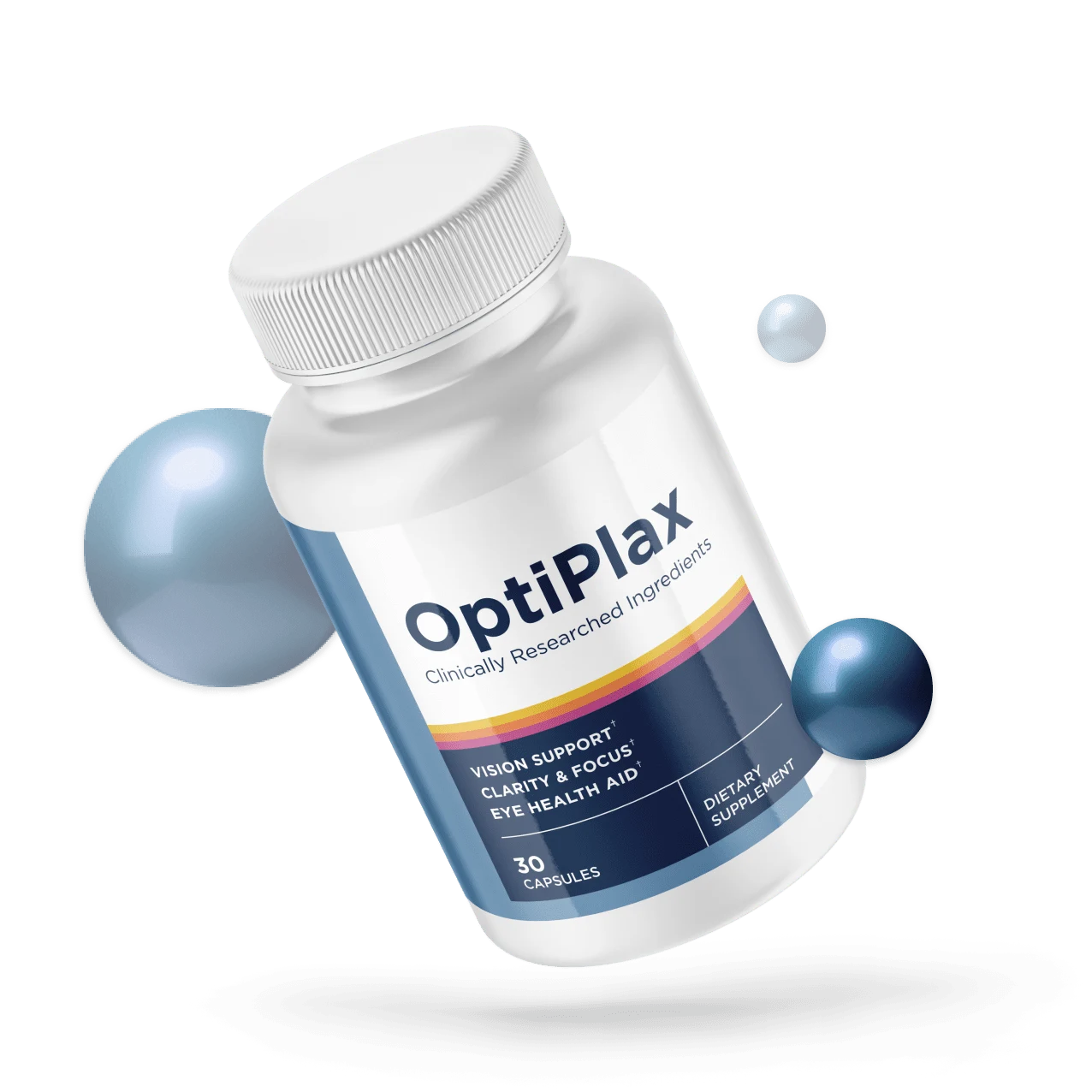
OptiPlex isn't just another eye supplement; it's a meticulously crafted formula designed to deliver unparalleled support for your vision, especially as you age. With OptiPlex, you get a powerful, all-natural solution that targets the root causes of vision decline.
- ✓ **Clinically Dosed Astaxanthin (12mg):** The most potent antioxidant for eyes, crossing the blood-retinal barrier for direct protection.
- ✓ **AREDS2 Formula Synergy:** Optimal amounts of Lutein, Zeaxanthin, Zinc, and Copper for macular health.
- ✓ **Comprehensive Nutrient Blend:** Includes Vitamins C & E, and Bilberry for full-spectrum vision support.
- ✓ **USA Made, GMP Certified:** Manufactured in an FDA-registered facility, ensuring purity, potency, and safety.
- ✓ **60-Day Money-Back Guarantee:** Try OptiPlex risk-free and experience the difference for yourself.




Real People, Real Results: OptiPlex Success Stories
"I was told my macular degeneration was progressing, and I felt helpless. After 3 months of OptiPlex, my vision feels sharper, and my eye doctor even noted a stabilization. I'm so grateful for this natural solution!"
"My eyes used to burn after a long day at the computer. Since starting OptiPlex, the fatigue is gone, and I can work comfortably for much longer. The clarity is astonishing. Truly a life-changer!"
"I've tried many eye supplements, but OptiPlex is the only one where I've actually felt a difference. My night vision has improved, and colors seem more vibrant. It's given me back confidence in my sight."
Frequently Asked Questions
What is Astaxanthin and how does it benefit eye health?
+Astaxanthin is a powerful carotenoid antioxidant, naturally found in microalgae, salmon, and krill. For eye health, it’s known to cross the blood-retinal barrier, providing direct protection to the delicate structures of the eye. Its benefits include reducing oxidative stress, combating inflammation, improving blood flow to the retina, and shielding against harmful blue light and UV radiation. This makes it crucial in the prevention and management of conditions like age-related macular degeneration (AMD) and digital eye strain.
How does OptiPlex differ from other astaxanthin supplements?
+OptiPlex stands apart due to its superior formulation, which combines a clinically effective dose of natural astaxanthin (12mg) with other synergistic vision-supporting nutrients like Lutein, Zeaxanthin, Zinc, Copper, and Bilberry extract. Unlike many generic supplements, OptiPlex uses a highly bioavailable form of astaxanthin, ensuring maximum absorption and efficacy. It's also manufactured in an FDA-registered, GMP-certified facility in the USA, guaranteeing purity, potency, and safety, making it a comprehensive and reliable choice for advanced eye health.
What is the recommended dosage for OptiPlex?
+For optimal results, the recommended dosage for OptiPlex is two capsules per day, taken with a meal. This dosage provides the clinically studied amount of astaxanthin (12mg) along with the precise blend of other eye-supporting nutrients. Consistency is key, so incorporating OptiPlex into your daily routine is essential for maximizing its protective and restorative benefits for your vision.
Can OptiPlex help with existing vision problems like Macular Degeneration?
+While OptiPlex is not a cure for Macular Degeneration, its powerful blend of antioxidants, particularly astaxanthin, lutein, and zeaxanthin, is specifically designed to support macular health and protect against further progression of AMD and related vision loss. Numerous studies show these ingredients can help reduce oxidative damage and inflammation in the retina, potentially preserving existing vision and supporting the eyes' natural defense mechanisms. It's an excellent supportive measure, but always consult with your ophthalmologist regarding your specific condition.
Are there any side effects of taking OptiPlex?
+OptiPlex is formulated with natural ingredients and is generally well-tolerated. When taken as directed, side effects are rare and typically mild, such as slight stomach upset. However, as with any supplement, it's crucial to consult with your healthcare provider before starting OptiPlex, especially if you have pre-existing medical conditions, are pregnant or nursing, or are taking other medications. Always adhere to the recommended dosage.
How quickly can I expect to see results with OptiPlex?
+Individual results can vary depending on factors such as age, overall health, and the severity of existing eye conditions. While some users report noticing improvements in eye comfort and reduced strain within a few weeks, the full protective and restorative benefits of OptiPlex, especially for conditions like macular degeneration, typically become more apparent with consistent use over 2-3 months. We recommend a minimum 60-day trial to experience the comprehensive effects.
Related Articles