Are You Giving Your Eyes The Antioxidant Protection They Deserve?
In our increasingly digital world, our eyes are under constant assault from environmental stressors, digital screens, and the inevitable march of time. Vision, arguably our most precious sense, is often taken for granted until it begins to falter. The good news is that we have powerful allies in the fight to preserve our sight: antioxidants.
These remarkable compounds are the frontline defense against vision loss, particularly against conditions like age-related macular degeneration (AMD) and cataracts, which are heavily influenced by oxidative stress. Understanding how antioxidants work and ensuring your eyes receive adequate protection can make a profound difference in maintaining crystal-clear vision for years to come.
The Silent Threat: Oxidative Stress and Your Eyes
Before we delve into the heroic role of antioxidants, it's crucial to understand the enemy: oxidative stress. This biological process is a major contributor to age-related vision problems, slowly but surely eroding the health of our ocular tissues.
Oxidative stress occurs when there's an imbalance between the production of harmful molecules called free radicals and the body's ability to neutralize them with antioxidants. Free radicals are unstable molecules that steal electrons from other molecules, causing damage to cells, proteins, and DNA. In the eyes, this damage is particularly insidious because ocular tissues, especially the retina and macula, are highly susceptible.
The retina, a light-sensitive layer at the back of the eye, consumes a significant amount of oxygen and is constantly exposed to light, including harmful ultraviolet (UV) and high-energy visible (HEV) blue light. Both light exposure and high metabolic activity generate free radicals. Over time, this constant barrage of oxidative damage can lead to the accumulation of waste products and cellular dysfunction, setting the stage for serious vision conditions. This is a primary factor in the development of macular degeneration and vision loss.
Age-related macular degeneration (AMD) is the leading cause of severe vision loss in people over 50. It specifically targets the macula, the central part of the retina responsible for sharp, detailed vision. Oxidative stress is considered a key factor in AMD's initiation and progression, leading to the breakdown of macular cells and the formation of drusen, yellow deposits under the retina. Similarly, the lens of the eye is vulnerable to oxidative damage, which can lead to the clouding associated with cataracts.
Other factors contributing to oxidative stress in the eyes include pollution, smoking, poor diet, certain medications, and even strenuous exercise without adequate recovery. Understanding this fundamental threat is the first step toward appreciating the indispensable role of antioxidants in eye protection.
💡 Key Takeaway
Oxidative stress, caused by an imbalance of free radicals and antioxidants, is a primary driver of age-related vision damage, particularly impacting the macula and lens, leading to conditions like macular degeneration and cataracts. Our eyes are especially vulnerable due to high metabolic activity and constant light exposure.
Antioxidants: Your Eyes' Natural Defense System
Antioxidants are nature's superheroes, tirelessly working to protect our cells from the ravages of free radicals. They achieve this by donating an electron to a free radical, stabilizing it and preventing it from causing further damage, all without becoming unstable themselves.
Our bodies naturally produce some antioxidants (endogenous), but we also rely heavily on external sources (exogenous) from our diet. For eye health, a diverse array of antioxidants is crucial, as they often work synergistically, each offering unique protective benefits to different parts of the eye and under various conditions.
The eyes have a complex and delicate structure, and each component – from the cornea to the retina – requires specific nutritional support to maintain its integrity and function. Antioxidants are vital for maintaining the health of photoreceptor cells, the retinal pigment epithelium (RPE), and the tiny blood vessels that nourish the eye. Without adequate antioxidant protection, these structures become vulnerable to damage, leading to impaired vision and chronic eye diseases.
The Power Players: Essential Antioxidants for Optimal Eye Health
While many antioxidants contribute to overall health, a select group stands out for their profound impact on vision. These are the nutrients specifically studied for their ability to protect the eyes from damage and support long-term ocular function.
Let's explore some of the most critical antioxidants and their unique contributions to eye protection:
Lutein and Zeaxanthin: The Macular Pigment Powerhouses
These two carotenoids are perhaps the most well-known and extensively researched antioxidants for eye health. Lutein and zeaxanthin are unique because they are found in high concentrations in the macula, forming the macular pigment. This pigment acts like internal sunglasses, filtering harmful high-energy blue light and neutralizing free radicals directly within the retina.
A denser macular pigment is associated with a lower risk of AMD and improved visual performance, including enhanced contrast sensitivity and reduced glare. Studies like the Age-Related Eye Disease Study (AREDS2) have confirmed the benefits of supplementing with lutein and zeaxanthin for reducing the risk of advanced AMD progression.
Astaxanthin: Nature's Most Potent Carotenoid
Often hailed as the "king of carotenoids," astaxanthin is an incredibly powerful antioxidant, far surpassing the potency of many other well-known antioxidants. What makes astaxanthin particularly remarkable for eye health is its unique molecular structure, which allows it to cross the blood-retinal barrier and provide direct protection to the delicate cells of the retina.
Astaxanthin's benefits for eyes include reducing inflammation, improving blood flow to the eyes, protecting against UV light damage, reducing eye fatigue and strain, and potentially improving visual acuity. It's found naturally in microalgae, salmon, and krill, giving these organisms their vibrant pink-red hues.
Vitamin C (Ascorbic Acid): The Water-Soluble Protector
Vitamin C is a potent water-soluble antioxidant found in high concentrations in the aqueous humor (the fluid that fills the front of the eye). It plays a vital role in protecting the lens from oxidative damage, which is a key factor in cataract formation. Additionally, Vitamin C is essential for the production of collagen, a protein that provides structural support to the cornea and other ocular tissues.
Vitamin E (Tocopherols and Tocotrienols): The Fat-Soluble Defender
As a fat-soluble antioxidant, Vitamin E protects cell membranes from oxidative damage. It works synergistically with Vitamin C, helping to regenerate its antioxidant capabilities. In the retina, Vitamin E helps protect the delicate fatty acids found in photoreceptor cell membranes, which are highly susceptible to lipid peroxidation.
Zinc: The Essential Mineral Cofactor
Zinc is an essential trace mineral that plays a crucial role in maintaining eye health. It's a vital component of many enzymes involved in retinal metabolism, including superoxide dismutase, an antioxidant enzyme. Zinc also helps transport Vitamin A from the liver to the retina to produce melanin, a protective pigment in the eyes. Low zinc levels have been linked to an increased risk of AMD.
Copper: The Balancing Act
Copper works in conjunction with zinc to form superoxide dismutase. While zinc is critical, a high intake of zinc can sometimes interfere with copper absorption, so these two minerals are often balanced in eye health supplements to ensure optimal efficacy and prevent deficiencies.
Selenium: A Synergistic Partner
Selenium is another trace mineral that acts as a powerful antioxidant, particularly when combined with Vitamin E. It's a key component of glutathione peroxidase, another important antioxidant enzyme that protects cells from oxidative damage.
Bilberry Extract: Vision Support from Antiquity
Bilberry, a close relative of the blueberry, is rich in anthocyanins, powerful antioxidants that have been traditionally used to support vision. These compounds are believed to improve night vision, reduce eye fatigue, and strengthen capillaries in the eyes, promoting better blood flow to ocular tissues.
Alpha-Lipoic Acid (ALA): The "Universal" Antioxidant
ALA is unique because it is both water- and fat-soluble, allowing it to function as an antioxidant in virtually every part of the body, including the eyes. It can also regenerate other antioxidants, such as Vitamins C and E, further enhancing the body's protective capacity against oxidative stress.
Lycopene: A Red Carotenoid with Protective Power
Found abundantly in tomatoes and other red fruits, lycopene is a potent carotenoid antioxidant. While not as concentrated in the macula as lutein and zeaxanthin, lycopene contributes to overall antioxidant defense in the eye and has been linked to a reduced risk of cataracts and AMD.
Grape Seed Extract: Vascular and Retinal Health
Grape seed extract is rich in proanthocyanidins, a class of flavonoids with strong antioxidant and anti-inflammatory properties. These compounds can help strengthen blood vessels, improve circulation, and protect the delicate retinal capillaries from damage, supporting overall retinal health.
By incorporating these powerful antioxidants into your daily regimen, either through diet or targeted supplementation, you can provide your eyes with a robust defense against the various forms of damage that threaten your vision.
Beyond Nutrition: Holistic Strategies for Eye Health
Regular Eye Exams
Annual comprehensive eye exams are crucial for detecting early signs of eye conditions like AMD, glaucoma, and cataracts before they cause significant vision loss. Early detection often leads to more effective treatment and better outcomes.
UV and Blue Light Protection
Wear sunglasses that block 99-100% of UVA and UVB rays whenever outdoors. For prolonged digital screen use, consider blue light filtering glasses or screen protectors to reduce exposure to high-energy visible light, which can contribute to oxidative stress.
Quit Smoking
Smoking is one of the most significant modifiable risk factors for AMD and cataracts. It drastically increases oxidative stress and inflammation throughout the body, including the eyes. Quitting smoking can significantly reduce your risk of developing these debilitating conditions.
Healthy Lifestyle Choices
Maintain a balanced diet rich in fruits, vegetables, and omega-3 fatty acids. Regular exercise, managing blood pressure and cholesterol, and maintaining a healthy weight all contribute to overall vascular health, which directly impacts the health of your eyes.
When Diet Needs a Boost: The Role of Eye Health Supplements
While a balanced diet is the cornerstone of good health, achieving optimal levels of all the essential eye-protective antioxidants solely through food can be challenging for many. Factors such as soil depletion, food processing, individual dietary preferences, and varying absorption rates mean that nutritional gaps are common.
This is where targeted eye health supplements can play a crucial role. For individuals concerned about their vision, especially those with a family history of macular degeneration or who spend extensive time in front of digital screens, supplementation offers a convenient and effective way to ensure their eyes receive comprehensive antioxidant support.
High-quality eye supplements are formulated to provide clinically relevant doses of key nutrients like Lutein, Zeaxanthin, Astaxanthin, and other vitamins and minerals that are difficult to obtain in sufficient quantities from diet alone. These formulas are often designed to work synergistically, meaning the combined effect of the ingredients is greater than the sum of their individual parts.
However, it's important to choose supplements wisely. Look for products that are transparent about their ingredients, dosages, and manufacturing standards. Always consult with your healthcare provider or ophthalmologist before starting any new supplement regimen, especially if you have existing medical conditions or are taking medications.
OptiPlex: A Comprehensive Approach to Vision Protection
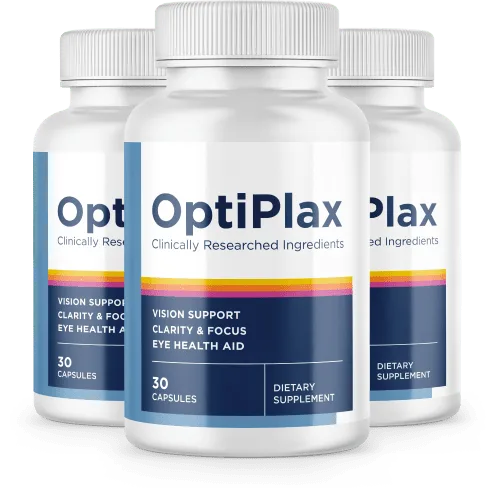
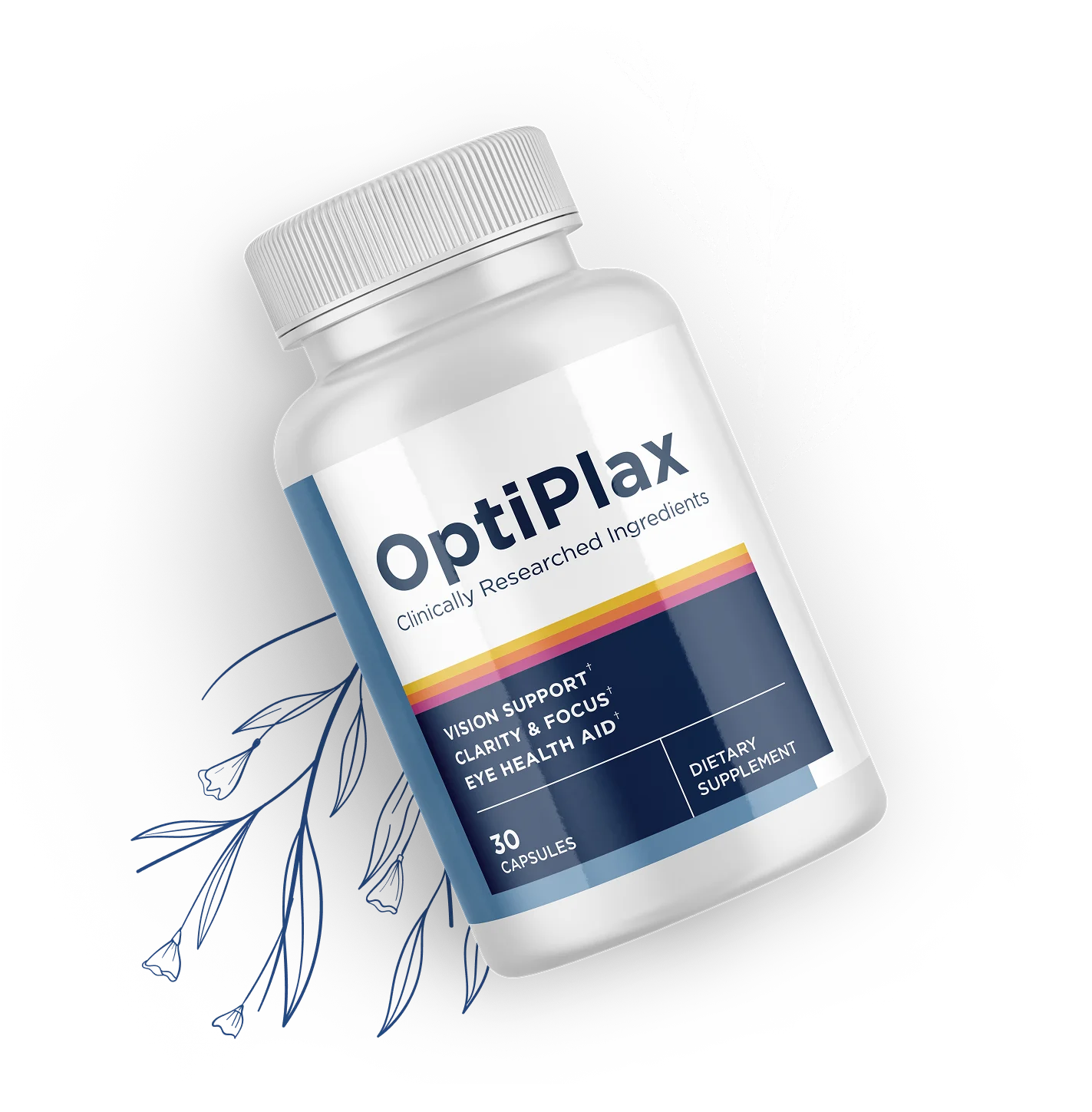
In the realm of eye health supplements, OptiPlex stands out as a carefully crafted formula designed to provide powerful antioxidant protection and support overall vision function. It brings together a blend of scientifically-backed ingredients, targeting multiple pathways to safeguard your eyes against environmental damage and age-related decline.
OptiPlex isn't just a collection of ingredients; it's a synergistic blend formulated to deliver maximum benefit. By combining potent antioxidants with essential vitamins and minerals, it aims to reinforce your eyes' natural defenses, support macular health, and promote clearer, more comfortable vision.
The developers of OptiPlex recognize the multifaceted nature of vision loss, particularly conditions like macular degeneration. Their approach focuses on providing a comprehensive shield, addressing oxidative stress, inflammation, and nutrient deficiencies that often contribute to ocular decline. This holistic strategy is what makes OptiPlex a viable option for those seeking proactive vision support.
When considering an eye health supplement, it's natural to wonder about its efficacy and how it fits into your overall health strategy. OptiPlex is positioned as one solution among many, emphasizing education and informed choice. For those exploring options for where to buy OptiPlex at the best price, visiting the official website is always recommended to ensure authenticity and access to current offers.
Key Ingredients for Advanced Eye Protection in OptiPlex
Lutein & Zeaxanthin
Role: Form the macular pigment, filtering harmful blue light and neutralizing free radicals in the macula. Essential for reducing AMD risk and improving visual acuity.
Astaxanthin
Role: A potent carotenoid antioxidant that crosses the blood-retinal barrier. Protects against UV damage, reduces eye fatigue, and enhances retinal blood flow.
Vitamin C
Role: A powerful water-soluble antioxidant protecting the lens from oxidative damage and supporting collagen production for corneal health.
Vitamin E
Role: A fat-soluble antioxidant that protects cell membranes, particularly in the retina, from lipid peroxidation and works synergistically with Vitamin C.
Zinc
Role: An essential mineral cofactor for antioxidant enzymes and Vitamin A transport to the retina, crucial for melanin production and overall retinal health.
Copper
Role: Works with zinc to form superoxide dismutase, an antioxidant enzyme. Included in balanced amounts to prevent zinc-induced copper deficiency.
Bilberry Extract
Role: Rich in anthocyanins, supporting night vision, reducing eye fatigue, and strengthening ocular capillaries for improved blood flow.
Lycopene
Role: A potent carotenoid antioxidant contributing to overall eye defense and linked to reduced risk of cataracts and AMD.
Grape Seed Extract
Role: Contains proanthocyanidins that strengthen blood vessels and improve circulation to the eyes, protecting retinal capillaries.
Alpha-Lipoic Acid
Role: A "universal" antioxidant that is both water and fat-soluble, protecting various parts of the eye and regenerating other antioxidants like Vitamins C and E.
The Long-Term Investment: Preserving Your Vision for the Future
Protecting your eyes with antioxidants isn't just about addressing current concerns; it's a vital investment in your long-term visual health. The cumulative effects of oxidative stress and environmental damage can manifest over decades, leading to severe and irreversible vision loss.
By proactively incorporating a rich array of antioxidants into your diet and considering a high-quality supplement like OptiPlex, you're building a robust defense system for your eyes. This strategy helps to maintain the integrity of delicate retinal cells, preserve macular function, and reduce the risk of age-related eye diseases, allowing you to enjoy vibrant vision well into your golden years.
Remember, vision care is a holistic endeavor. It combines nutritional support with healthy lifestyle choices, regular eye examinations, and an awareness of environmental risks. Empowering yourself with knowledge and making informed decisions about your eye health is the most effective way to protect your precious sight.
Don't wait until vision problems become debilitating. Start nourishing and protecting your eyes today. Your future self will thank you for the clarity and comfort you preserve.
Take the First Step Towards Lifelong Vision Health
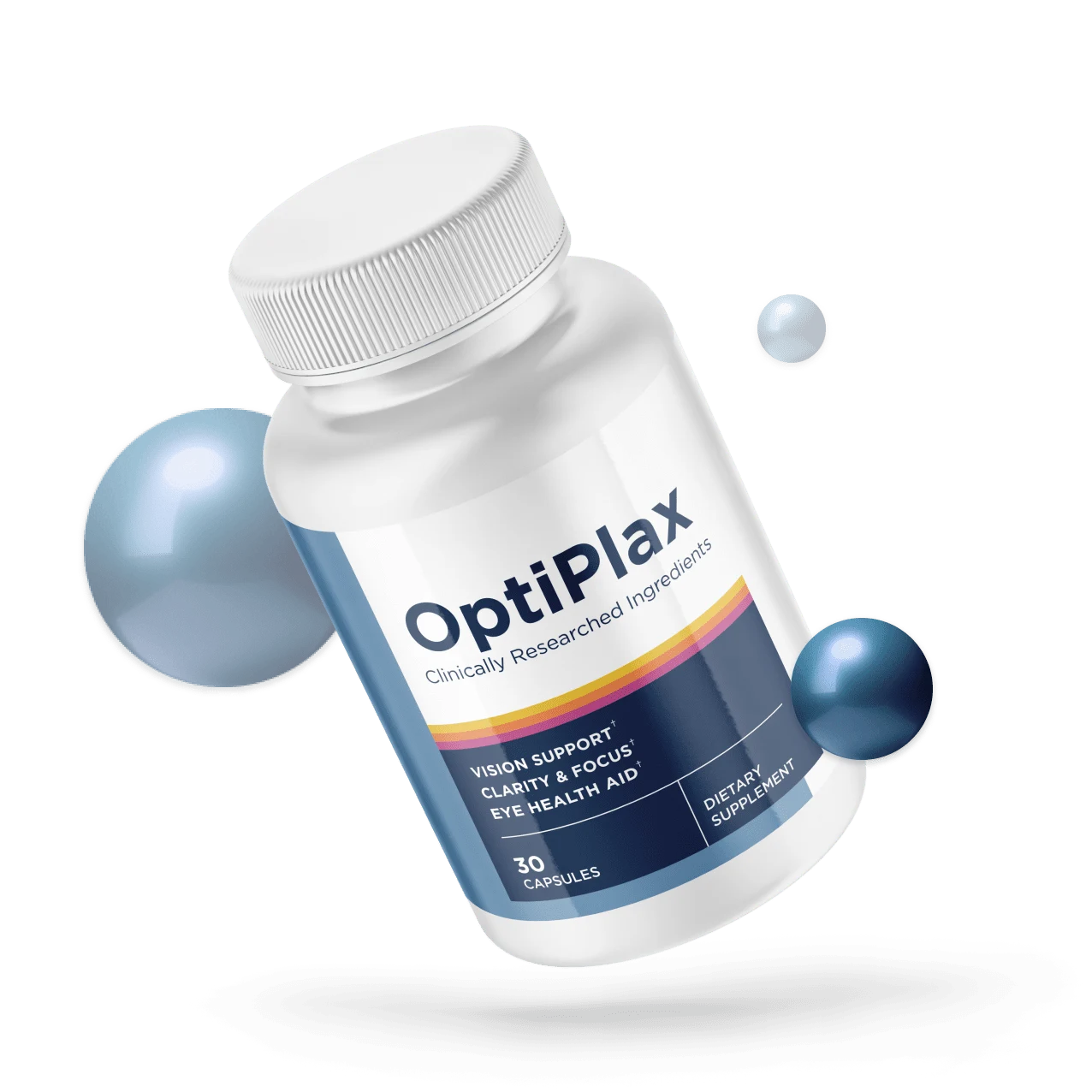
Your eyes deserve the best protection against the daily onslaught of digital strain, environmental toxins, and age-related damage. OptiPlex is meticulously formulated with a powerful blend of clinically-backed antioxidants and essential nutrients to support and safeguard your precious sight.
- ✓ Advanced Macular Support with Lutein & Zeaxanthin
- ✓ Potent Antioxidant Protection from Astaxanthin
- ✓ Reduces Eye Fatigue and Digital Strain
- ✓ Supports Clear Vision and Night Acuity
- ✓ Made with 100% Natural, Non-GMO Ingredients



What Our Customers Are Saying About OptiPlex
"I've been taking OptiPlex for three months, and the difference is remarkable. My eyes feel less strained after long days at the computer, and my night vision has noticeably improved. Highly recommend for anyone serious about their eye health!"
"After my ophthalmologist mentioned my risk for AMD, I started researching supplements. OptiPlex's ingredient list stood out. I feel more confident that I'm giving my eyes the protection they need. Plus, my vision feels sharper overall."
"As someone who spends hours reading and working on detailed tasks, eye fatigue was a constant issue. Since starting OptiPlex, I've experienced significantly less strain and dryness. It's truly been a game-changer for my daily comfort."
Frequently Asked Questions
What exactly are antioxidants and how do they benefit our eyes?
+Antioxidants are compounds that neutralize harmful free radicals in the body, preventing cellular damage. In the eyes, they protect delicate cells in the retina and macula from oxidative stress caused by UV light, blue light, and environmental factors, thereby supporting overall vision health and reducing the risk of age-related conditions.
How do antioxidants specifically help in preventing or slowing macular degeneration?
+Macular degeneration (AMD) is often linked to oxidative damage in the macula. Key antioxidants like Lutein, Zeaxanthin, and Astaxanthin accumulate in the macula, forming a protective pigment that filters harmful blue light and neutralizes free radicals, directly combating the cellular degradation that leads to AMD and vision loss.
Can a healthy diet provide enough antioxidants for optimal eye protection?
+While a diet rich in fruits, vegetables, and leafy greens is crucial, modern diets and environmental factors can make it challenging to consistently obtain optimal levels of specific eye-protective antioxidants. Factors like nutrient depletion in soil, cooking methods, and individual absorption rates can further impact intake, making supplementation a valuable consideration for many.
What makes OptiPlex a recommended option for antioxidant eye support?
+OptiPlex is formulated with a synergistic blend of clinically studied antioxidants and vision-supporting nutrients, including potent doses of Lutein, Zeaxanthin, and Astaxanthin. It's designed to provide comprehensive protection against oxidative stress, support macular health, and enhance visual acuity, offering a convenient way to bolster your eye's natural defenses.
Are there any known side effects associated with taking OptiPlex?
+OptiPlex is formulated with natural ingredients and is generally well-tolerated. However, as with any supplement, individual reactions can vary. It's always recommended to consult with your healthcare provider before starting any new supplement, especially if you have pre-existing medical conditions or are taking other medications. For a detailed safety profile, please see our dedicated page on OptiPlex side effects and safety.
How long does it typically take to notice improvements in vision or eye comfort with OptiPlex?
+The timeline for experiencing benefits can vary depending on individual factors, including baseline eye health and consistency of use. Many users report noticeable improvements in visual clarity, reduced eye strain, and enhanced night vision within a few weeks to a couple of months. For optimal and sustained results, consistent daily use over several months is generally recommended.
Related Articles