Are you aware of the devastating impact smoking has on your vision?
For decades, the health risks associated with smoking have been widely publicized, primarily focusing on lung disease, heart conditions, and various cancers. However, one critical area often overlooked in public discourse is the profound and often irreversible damage tobacco inflicts upon your eyes.
The delicate structures of your eyes are incredibly vulnerable to the thousands of toxic chemicals found in cigarette smoke, leading to a cascade of damaging effects that can culminate in severe vision loss and even blindness. Understanding this connection is the first step toward protecting your most precious sense.
The Toxic Assault: How Smoking Harms Your Eyes
Cigarette smoke contains a complex mixture of over 7,000 chemicals, including hundreds that are toxic and at least 70 that can cause cancer. When you smoke, these harmful substances don't just affect your lungs; they enter your bloodstream and circulate throughout your entire body, including the delicate tissues of your eyes.
The primary mechanisms through which tobacco damages eye health involve **oxidative stress**, **reduced blood flow**, and **inflammation**. Oxidative stress occurs when there's an imbalance between free radicals and antioxidants in your body. Cigarette smoke is a major source of free radicals, which are unstable molecules that can damage cells, proteins, and DNA in the eye. This cellular damage accelerates the aging process of eye tissues and contributes to the onset and progression of various ocular diseases. Furthermore, the chemicals in smoke cause **vasoconstriction**, narrowing blood vessels and reducing the vital supply of oxygen and nutrients to the eyes. Chronic inflammation, another consequence of smoking, further degrades eye health by breaking down protective barriers and promoting disease.
Understanding these underlying mechanisms is crucial to grasping the severity of smoking's impact on your vision. It's not just a superficial effect; it's a deep, cellular attack on the very components that enable you to see the world.
💡 Key Takeaway
Smoking exposes your eyes to thousands of toxins, leading to oxidative stress, reduced blood flow, and chronic inflammation. This trifecta of damage accelerates eye aging and significantly increases the risk of severe vision-threatening conditions like Macular Degeneration and cataracts.
Smoking's Direct Impact on Key Eye Structures and Conditions
Smoking doesn't discriminate; it can harm virtually every part of your eye, from the surface to the optic nerve. Here's a breakdown of the specific conditions and how tobacco contributes to their development and progression:
Age-related Macular Degeneration (AMD)
This is arguably the most devastating eye disease strongly linked to smoking. AMD primarily affects the macula, the central part of the retina responsible for sharp, detailed central vision needed for reading, driving, and recognizing faces. Smokers are **2 to 4 times more likely** to develop AMD than non-smokers, and the risk increases with the number of cigarettes smoked and duration of smoking. The toxins in smoke accelerate the breakdown of macular cells, leading to the formation of drusen (yellow deposits) and abnormal blood vessel growth (wet AMD), which can cause rapid and severe vision loss.
Cataracts
A cataract is a clouding of the eye's natural lens, which lies behind the iris and pupil. This clouding leads to blurred vision, glare, and difficulty seeing at night. Smokers are **two to three times more likely** to develop cataracts, and they often develop them at an earlier age. The chemicals in cigarette smoke, along with increased oxidative stress, alter the proteins in the lens, causing them to clump together and become opaque. Quitting smoking can significantly reduce your risk, though existing cataracts typically require surgical removal.
Glaucoma and Optic Nerve Damage
Glaucoma is a group of diseases that damage the optic nerve, often due to elevated pressure inside the eye. The optic nerve is crucial for transmitting visual information from the eye to the brain. While the direct link between smoking and glaucoma is still being researched, studies suggest that smoking can increase blood pressure and reduce blood flow to the optic nerve, potentially exacerbating glaucoma or increasing susceptibility. Smokers also tend to have higher intraocular pressure, a risk factor for glaucoma. Damage to the optic nerve is irreversible and can lead to permanent peripheral vision loss and eventually blindness.
Dry Eye Syndrome
Dry eye syndrome occurs when your eyes don't produce enough tears or when the tears evaporate too quickly, leading to irritation, redness, and a gritty sensation. Cigarette smoke, both direct and secondhand, irritates the delicate surface of the eye and disrupts the tear film's stability. Smokers are **twice as likely** to experience dry eye symptoms, which can range from mild discomfort to severe, chronic pain and blurred vision. The irritants in smoke can also damage the glands responsible for producing the oily layer of the tear film, essential for preventing evaporation.
Diabetic Retinopathy (Worsening Effect)
For individuals with diabetes, smoking is a particularly dangerous habit. Diabetic retinopathy is a complication of diabetes that damages the blood vessels in the retina, potentially leading to vision loss. Smoking exacerbates diabetes by making it harder to control blood sugar levels, increasing inflammation, and further damaging blood vessels throughout the body, including those in the eyes. This significantly accelerates the progression of diabetic retinopathy, making smokers with diabetes much more prone to severe vision impairment and blindness compared to non-smoking diabetics.
Uveitis
Uveitis is an inflammation of the uvea, the middle layer of the eye that includes the iris, ciliary body, and choroid. This condition can lead to pain, redness, light sensitivity, and blurred vision, and if left untreated, it can cause severe vision loss. Research indicates that smokers have a significantly higher risk of developing uveitis. The inflammatory compounds in cigarette smoke are believed to trigger or worsen the immune response that leads to this potentially sight-threatening condition, further illustrating the widespread systemic impact of tobacco on ocular health.
The Science Behind the Damage: A Deeper Dive
To fully appreciate the urgency of protecting your eyes from tobacco, it's helpful to understand the intricate biological processes at play when smoke enters your system.
One of the primary culprits is **oxidative stress**. Cigarette smoke is a massive generator of free radicals, which are highly reactive molecules that steal electrons from other molecules, causing cellular damage. Your body has natural antioxidant defenses, but chronic smoking overwhelms these systems, leading to widespread damage to the retina, lens, and blood vessels. This imbalance is a key driver of AMD and cataract formation.
Beyond oxidative stress, smoking causes **systemic inflammation**. The toxins in smoke trigger an immune response throughout the body, including the eyes. Chronic inflammation can damage the delicate capillaries that supply blood to the retina and optic nerve, leading to their degradation over time. This sustained inflammatory state contributes to the progression of many eye diseases.
Furthermore, smoking significantly impairs **blood circulation**. Nicotine constricts blood vessels, reducing the flow of oxygen and essential nutrients to the eye. The accumulation of plaque in arteries (atherosclerosis), also accelerated by smoking, further restricts blood supply. The choroid, a layer of blood vessels beneath the retina, is particularly vulnerable to this reduced blood flow, impacting the health of the macula. A compromised blood supply can starve retinal cells, leading to their dysfunction and death.
Finally, smoking depletes essential **vitamins and antioxidants**. Smokers often have lower levels of protective antioxidants like Vitamin C, Vitamin E, and Beta-carotene, which are crucial for eye health. These nutrients help neutralize free radicals and protect eye tissues. By depleting these vital defenses, smoking leaves the eyes more vulnerable to damage. This is why nutritional support, alongside quitting, becomes a critical strategy for eye health.
Taking Control: Steps to Protect Your Vision
The good news is that much of the damage caused by smoking is preventable, and even reversible to some extent, by taking proactive steps. Protecting your eyes starts with addressing the root cause.
Quit Smoking Immediately
This is the single most impactful action you can take for your eye health and overall well-being. Quitting smoking at any age significantly reduces your risk of developing eye diseases like AMD and cataracts. Even if you've smoked for years, stopping now can halt further damage and give your eyes a chance to heal. Seek support from healthcare professionals, cessation programs, or nicotine replacement therapies.
Adopt an Eye-Healthy Diet
Load up on foods rich in antioxidants, vitamins, and minerals that support eye health. This includes leafy green vegetables (spinach, kale), colorful fruits and vegetables (carrots, bell peppers), fatty fish high in omega-3s (salmon, tuna), and nuts and seeds. These nutrients help combat oxidative stress and inflammation, providing your eyes with the building blocks they need for repair and protection.
Wear UV-Protective Sunglasses
Exposure to ultraviolet (UV) radiation from the sun contributes to cataract formation and macular damage. Always wear sunglasses that block 99-100% of both UVA and UVB rays when outdoors, even on cloudy days. A wide-brimmed hat can provide additional protection, reducing the amount of UV light reaching your eyes.
Schedule Regular Comprehensive Eye Exams
Many eye diseases, especially in their early stages, have no noticeable symptoms. Regular dilated eye exams by an ophthalmologist are crucial for early detection and timely intervention. If you are a smoker or ex-smoker, annual exams are even more important to monitor for signs of AMD, cataracts, glaucoma, and other conditions. Early diagnosis can make a significant difference in preserving your vision.
Manage Underlying Health Conditions
Conditions like diabetes and high blood pressure significantly increase the risk of eye diseases, and smoking exacerbates these risks. Work closely with your doctor to manage these conditions effectively through medication, diet, and exercise. Good systemic health directly translates to better eye health.
Nutritional Support: Enhancing Your Eye's Natural Defenses
While quitting smoking is paramount, and a healthy diet provides foundational support, sometimes our eyes need an extra boost, especially when recovering from or protecting against the long-term effects of tobacco. Targeted nutritional supplementation can play a vital role in reinforcing your eyes' natural defenses and providing the specific nutrients crucial for optimal vision.
The eyes, particularly the macula, have a high metabolic rate and are constantly exposed to light, making them susceptible to oxidative damage. This vulnerability is severely compounded by the toxins introduced through smoking. Specific vitamins, minerals, and carotenoids have been scientifically studied for their role in protecting eye health, particularly against conditions like Age-related Macular Degeneration.
For those looking to proactively support their vision, especially individuals with a history of smoking, a comprehensive eye health supplement can be a valuable addition to their regimen. These supplements are often formulated to deliver concentrated doses of nutrients that are difficult to obtain in sufficient quantities from diet alone, or those that are depleted by habits like smoking. For more information on effective remedies, consider exploring eye-health-remedies-that-work.html.
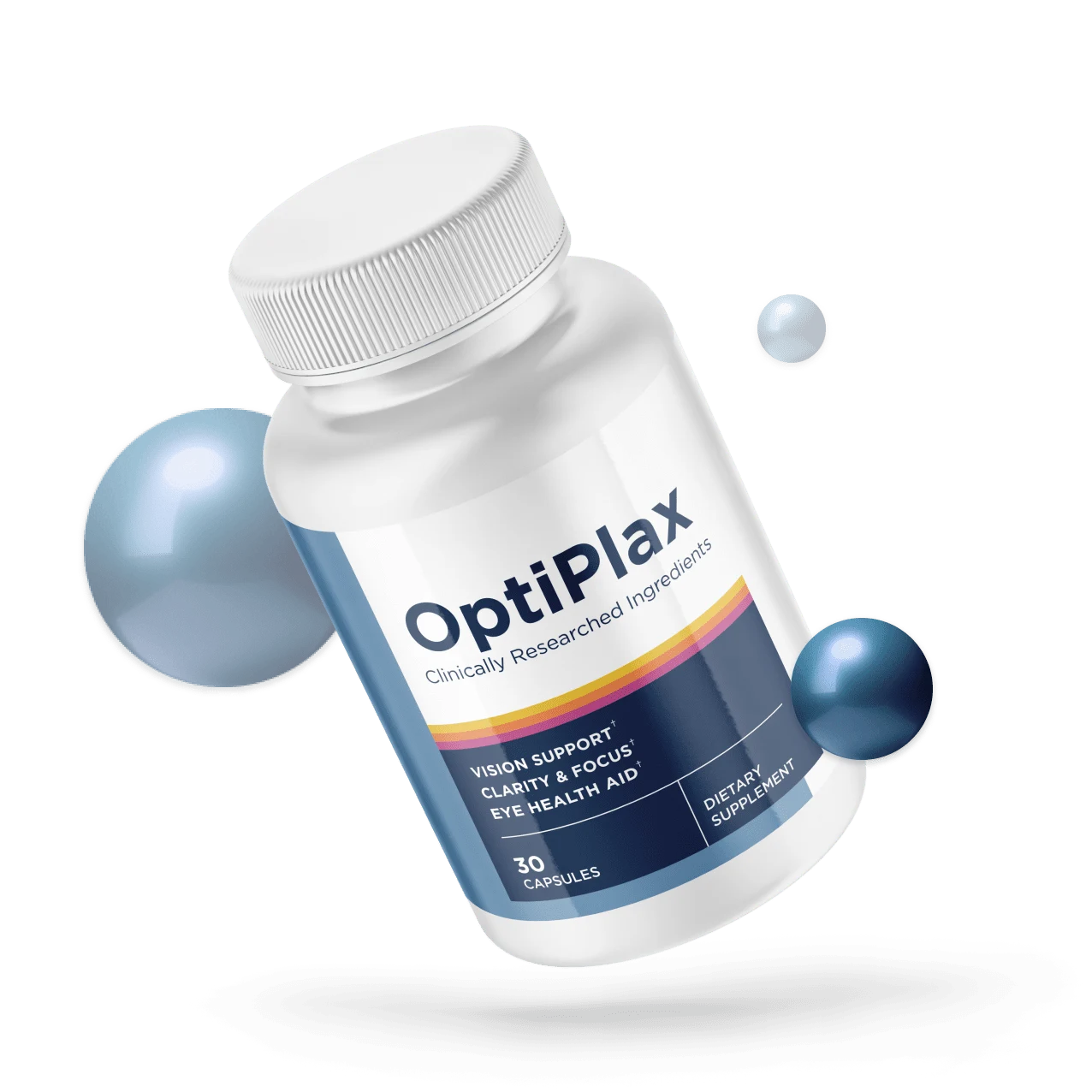
OptiPlex is one such solution, designed with a blend of clinically-backed ingredients to nourish and protect your eyes. It aims to provide the essential building blocks for macular health and overall visual function, helping to counteract the damage from environmental stressors and lifestyle choices. By providing a rich source of antioxidants and macular pigments, OptiPlex works to strengthen the eye's resilience against the cumulative effects of past exposure to tobacco and other damaging factors.
Key Ingredients in OptiPlex for Comprehensive Eye Health
OptiPlex leverages a powerful blend of ingredients, each chosen for its specific role in supporting ocular health and combating the effects of oxidative stress and inflammation, which are exacerbated by smoking. These ingredients work synergistically to provide comprehensive protection.
Lutein & Zeaxanthin
Role: These powerful carotenoids are concentrated in the macula, acting as natural sunscreens and antioxidants to filter harmful blue light and neutralize free radicals caused by smoking. They are crucial for maintaining sharp central vision and protecting against AMD progression. Studies show they can improve visual acuity and contrast sensitivity.
Vitamin C (Ascorbic Acid)
Role: A potent antioxidant found in high concentrations in the aqueous humor (the fluid in the eye). Vitamin C helps protect the lens from oxidative damage, reducing the risk of cataracts. It also supports the health of blood vessels in the eye and plays a role in collagen formation, essential for eye structure. Smoking significantly depletes Vitamin C, making supplementation crucial.
Vitamin E (Alpha-Tocopherol)
Role: Another powerful fat-soluble antioxidant that protects cell membranes from oxidative damage. Vitamin E works in conjunction with Vitamin C to safeguard eye tissues, particularly the retina, from free radical damage. It has been studied for its potential to slow the progression of AMD and reduce cataract risk.
Zinc
Role: An essential trace mineral highly concentrated in the eyes, particularly the retina. Zinc plays a crucial role in transporting Vitamin A from the liver to the retina to produce melanin, a protective pigment. It is vital for antioxidant activity and overall immune function in the eye, and deficiencies are linked to increased risk of AMD.
Copper
Role: Often included with zinc in eye supplements, as high doses of zinc can interfere with copper absorption. Copper is an essential trace mineral that acts as an antioxidant and is crucial for the proper functioning of many enzymes, including those involved in maintaining connective tissue in the eye.
Bilberry Extract
Role: Rich in anthocyanins, powerful antioxidants that support healthy blood circulation to the eyes and help strengthen capillary walls. Bilberry is traditionally used to improve night vision and reduce eye fatigue, offering protection against oxidative stress and enhancing overall retinal function, particularly beneficial for those with compromised ocular circulation due to smoking.
Eyebright Extract
Role: An herb traditionally used to relieve eye strain, irritation, and inflammation. Eyebright contains compounds that have anti-inflammatory and astringent properties, helping to soothe and protect the mucous membranes of the eye. It can be particularly beneficial for addressing symptoms of dry eye syndrome often exacerbated by smoking.
Alpha Lipoic Acid (ALA)
Role: A powerful antioxidant that is both fat and water-soluble, allowing it to work throughout the body's cells. ALA helps regenerate other antioxidants like Vitamin C and E, and glutathione, further enhancing the body's defense against free radicals. It supports mitochondrial function in eye cells and protects against oxidative damage.
Why OptiPlex Stands Out as a Supportive Solution
In a market flooded with eye health supplements, OptiPlex differentiates itself through its carefully curated formula and commitment to quality. For those concerned about the impact of smoking on their vision, OptiPlex offers a specialized approach to nutritional support.
Firstly, the blend of ingredients in OptiPlex is not random. It is based on **scientific research** into the nutrients most vital for protecting the macula, lens, and optic nerve from oxidative stress and inflammation – precisely the mechanisms by which tobacco damages eyes. The inclusion of potent antioxidants like Lutein, Zeaxanthin, Vitamins C and E, along with essential minerals like Zinc and Copper, targets these pathways directly. Many users find OptiPlex to be a superior choice when comparing optiplax-vs-other-eye-health-supplements.html.
Secondly, OptiPlex prioritizes **purity and potency**. Manufactured in a GMP-certified facility, each batch undergoes rigorous testing to ensure it meets the highest standards for quality and safety. This means you're getting a reliable and effective product free from harmful contaminants, which is particularly important when addressing health concerns related to toxicity. Understanding how OptiPlex compares to other specific brands like PreserVision or OcuPlus can be found at optiplax-vs-preservision-vs-ocuplus.html.
Finally, OptiPlex is designed for **long-term support**. Eye health is not a quick fix; it requires consistent care. By providing a daily dose of crucial nutrients, OptiPlex helps build and maintain your eye's natural defenses over time, offering ongoing protection against environmental stressors and the lingering effects of past lifestyle choices. It serves as a proactive measure to safeguard your vision for years to come, complementing the foundational step of quitting smoking and adopting a healthy lifestyle.
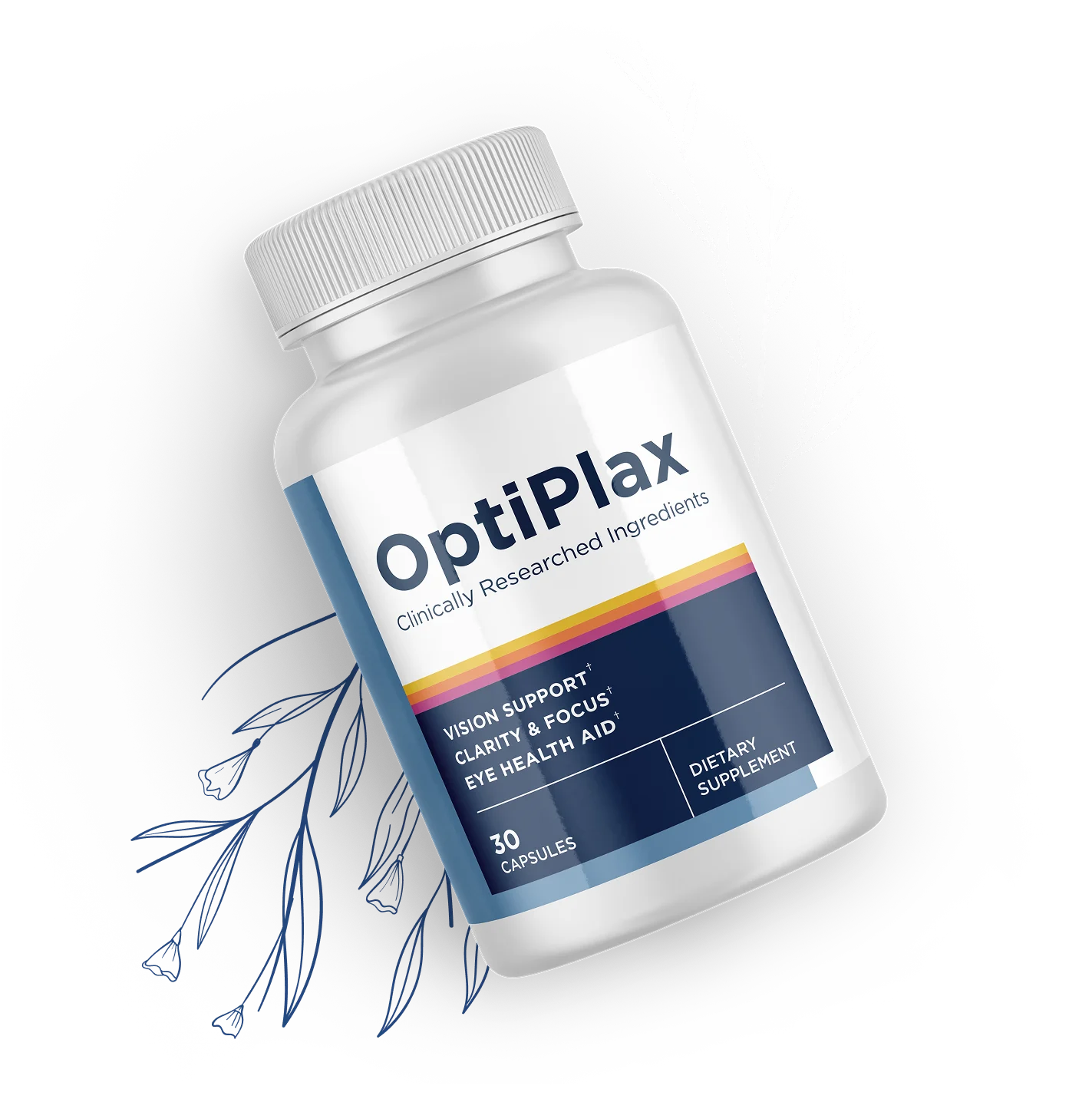
Reclaim Your Vision Health with OptiPlex
Don't let the past impact of smoking define your future vision. OptiPlex provides a powerful blend of nature's best ingredients, meticulously formulated to support and protect your precious eyesight.
- ✓ Supports Macular Health
- ✓ Protects Against Oxidative Stress
- ✓ Enhances Visual Clarity
- ✓ All-Natural, Non-GMO Ingredients
- ✓ Made in USA, GMP Certified



What Our Customers Say About OptiPlex
"As an ex-smoker, I was always worried about my eye health. Since starting OptiPlex a few months ago, I feel more confident. My vision feels clearer, and I've noticed less eye strain. It's a fantastic supplement."
"I've tried other eye supplements, but OptiPlex truly stands out. The difference in my night vision has been remarkable, and my eyes just feel healthier overall. Highly recommend for anyone concerned about long-term eye health."
"My doctor recommended I take an eye supplement due to my history. OptiPlex came highly recommended. I've been using it for six months now, and my latest eye check-up showed stable vision. I'm very pleased."
Frequently Asked Questions
How does smoking directly lead to vision loss?
+Smoking introduces a cocktail of toxic chemicals into your bloodstream, which can damage the delicate blood vessels in your eyes, reduce oxygen supply, and increase oxidative stress. This directly contributes to conditions like Age-related Macular Degeneration (AMD), cataracts, and optic nerve damage, all of which can severely impair or lead to permanent vision loss.
Is quitting smoking enough to reverse vision damage?
+While quitting smoking significantly reduces your risk of developing new eye conditions or worsening existing ones, it may not fully reverse damage that has already occurred. However, it can halt progression and improve overall eye health. Early cessation is key, and combining it with a healthy lifestyle and targeted nutritional support can further protect your vision.
What are the most common eye conditions linked to smoking?
+The most common eye conditions strongly linked to smoking are Age-related Macular Degeneration (AMD), which causes central vision loss; cataracts, leading to cloudy vision; and glaucoma, which damages the optic nerve. Smoking also exacerbates dry eye syndrome and can worsen diabetic retinopathy.
How does OptiPlex support eye health for smokers or ex-smokers?
+OptiPlex is formulated with a blend of potent antioxidants, vitamins, and minerals specifically chosen to support macular health, protect against oxidative stress, and nourish vital eye structures. Ingredients like Lutein, Zeaxanthin, Vitamin C, and Zinc work synergistically to counteract some of the cellular damage caused by tobacco and promote overall visual well-being. It is designed as a supportive measure alongside healthy lifestyle choices.
Are there other lifestyle changes that can protect my eyes from smoking-related damage?
+Absolutely. Beyond quitting smoking, maintaining a balanced diet rich in leafy greens and omega-3 fatty acids, wearing UV-protective sunglasses, getting regular exercise, and scheduling routine comprehensive eye exams are crucial. These habits help to reduce inflammation, improve blood flow, and provide essential nutrients to your eyes, complementing any supplemental support.
When should I consult an eye doctor if I'm a smoker?
+If you are a smoker, it is highly recommended to have regular comprehensive eye exams, at least annually, even if you don't experience symptoms. If you notice any changes in your vision, such as blurriness, distorted lines, dark spots, or difficulty seeing in low light, consult an ophthalmologist immediately. Early detection and intervention are vital for preserving vision, especially for those at higher risk due to smoking.
Related Articles