Are Your Digital Screens Causing Unseen Damage to Your Eyes?
In our increasingly digital world, screens have become an inseparable part of daily life. From work to entertainment, we spend countless hours glued to computers, smartphones, and tablets. While these devices offer unparalleled convenience and connectivity, they also come with a hidden cost: significant strain on our eyes.
Many people experience symptoms like dry eyes, blurred vision, headaches, and neck pain, often dismissing them as minor inconveniences. However, these are tell-tale signs of Digital Eye Strain, also known as Computer Vision Syndrome (CVS), a growing concern for long-term vision health, potentially impacting conditions like Macular Degeneration and overall vision quality.
Understanding Digital Eye Strain: More Than Just Tired Eyes
Digital eye strain, often referred to as Computer Vision Syndrome (CVS), is a group of eye- and vision-related problems that result from prolonged computer, tablet, e-reader, and cell phone use. It's not a single problem but a complex interplay of factors that stress your visual system.
When we engage with digital screens, our eyes work harder than usual. The characters on a screen are often not as sharply defined as printed text, making it more challenging for our eyes to maintain focus. We also tend to blink less frequently – up to 50% less – which leads to
The symptoms of digital eye strain can range from mild discomfort to debilitating pain, impacting productivity and quality of life. Common complaints include
It's crucial to recognize that this isn't just about feeling tired; it's about the cumulative impact on your visual health. Understanding the root causes is the first step toward effective prevention and management.
💡 Key Takeaway
Digital Eye Strain (CVS) is a widespread issue caused by prolonged screen use, leading to symptoms like dry eyes, blurred vision, and headaches. Ignoring it can have long-term consequences for eye health, potentially impacting conditions like Macular Degeneration.
Practical Strategies to Immediately Reduce Eye Strain
Taking proactive steps is essential to mitigate the effects of digital eye strain. Implementing a few simple yet effective habits can make a significant difference in your daily comfort and long-term eye health.
Master the 20-20-20 Rule
This is perhaps the simplest and most effective technique. Every 20 minutes, take a 20-second break to look at something 20 feet away. This allows your eye muscles to relax from constant close-up focus and helps stimulate blinking, keeping your eyes moist. Set a timer or use an app to remind yourself.
Optimize Your Workspace Ergonomics
Proper setup is key. Position your computer screen about an arm's length (20-28 inches) away from your eyes. The top of your screen should be at or slightly below eye level. This prevents you from tilting your head up or down excessively, reducing neck and shoulder strain, which can indirectly affect eye comfort.
Control Lighting and Minimize Glare
Excessive contrast or glare can significantly contribute to eye strain. Position your screen to avoid direct light from windows or overhead lights. Use anti-glare screens or matte finishes on your monitor. Adjust your screen brightness to match the ambient lighting in your room, avoiding overly bright or dim settings.
Adjust Screen Settings
Customize your display settings for optimal comfort. Increase text size and contrast for easier reading. Consider using "night mode" or "blue light filter" features on your devices, especially in the evening, to reduce blue light exposure which can disrupt sleep patterns and contribute to eye fatigue. Many operating systems now offer built-in options for this.
Remember to Blink Frequently
As mentioned, screen use reduces our blink rate. Consciously try to blink more often, especially when focusing intently. This helps re-moisten your eyes and prevents dryness and irritation. If natural blinking isn't enough, over-the-counter artificial tears can provide relief.
Take Regular, Longer Breaks
Beyond the 20-20-20 rule, incorporate longer breaks throughout your workday. Stand up, stretch, walk around, and look out a window. These breaks not only rest your eyes but also improve circulation and reduce overall body stiffness, contributing to better posture and comfort.
Beyond Ergonomics: Lifestyle and Nutritional Support for Eye Health
While adjusting your screen habits and workspace is crucial, a holistic approach to eye health involves more than just physical adjustments. Your lifestyle choices and nutritional intake play a profound role in supporting your vision, especially in the face of modern digital demands.
Good nutrition is foundational. A diet rich in specific vitamins, minerals, and antioxidants can significantly bolster your eyes' natural defenses against oxidative stress and the potential long-term damage that can contribute to conditions like Macular Degeneration. Key nutrients include
Hydration is another often-overlooked aspect. Dehydration can exacerbate dry eye symptoms, making digital eye strain even more uncomfortable. Ensure you are drinking enough water throughout the day. Furthermore, adequate sleep allows your eyes to rest and repair, reducing fatigue. Aim for 7-9 hours of quality sleep each night.
Regular physical activity also benefits eye health by improving blood circulation, which ensures a steady supply of oxygen and nutrients to your eyes. Even moderate exercise can contribute to overall well-being, which in turn supports healthy vision. For more ideas on enhancing your vision naturally, you might find our article on Natural Ways to Improve Vision and Reduce Eye Strain insightful.
Finally, consider the role of natural remedies and supplements. Certain herbs and botanical extracts have been traditionally used to support eye health. For a deeper dive into these options, read our detailed guide on Herbs and Natural Remedies for Eye Health. These can complement a healthy diet and provide targeted support for your eyes, especially when facing constant digital exposure.
The Role of Nutritional Supplements: Supporting Your Eyes from Within
Even with a healthy diet, it can be challenging to obtain optimal levels of every nutrient essential for eye health, especially when battling the constant demands of digital screens. This is where targeted nutritional supplements can play a vital role, offering concentrated support for your vision.
Lutein & Zeaxanthin
These powerful carotenoids are found in high concentrations in the macula of the eye. They act as natural filters against harmful blue light and protect against oxidative damage, which is crucial for preventing age-related macular degeneration (AMD) and reducing digital eye strain.
Omega-3 Fatty Acids
Essential for healthy cell membranes, Omega-3s (especially DHA) are abundant in the retina. They support tear film production, helping to alleviate dry eye symptoms often associated with prolonged screen use, and contribute to overall retinal health.
Vitamins C & E
These antioxidant powerhouses work synergistically to protect eye cells from free radical damage. Vitamin C is concentrated in the aqueous humor, while Vitamin E protects fatty acids in the retina, both vital for maintaining clear vision and preventing oxidative stress.
Zinc
Zinc plays a crucial role in transporting Vitamin A from the liver to the retina to produce melanin, a protective pigment in the eyes. It's essential for maintaining healthy vision and may help reduce the risk of AMD.
Bilberry Extract
Known for its potent anthocyanins, bilberry has been traditionally used to improve night vision and reduce eye fatigue. It supports blood flow to the eyes and provides antioxidant protection, making it beneficial for those experiencing digital eye strain.
By providing these essential nutrients in concentrated forms, supplements can help bridge nutritional gaps and offer an added layer of protection against the daily onslaught of digital screen exposure. While no supplement is a magic cure, a well-formulated product like OptiPlex, designed with these key ingredients, can be a valuable part of your eye health regimen.
Introducing OptiPlex: A Natural Approach to Eye Health
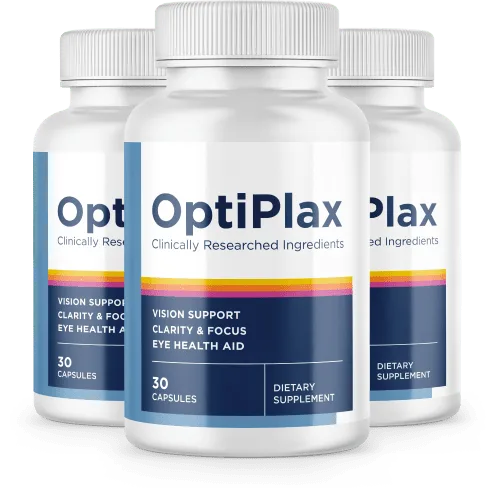
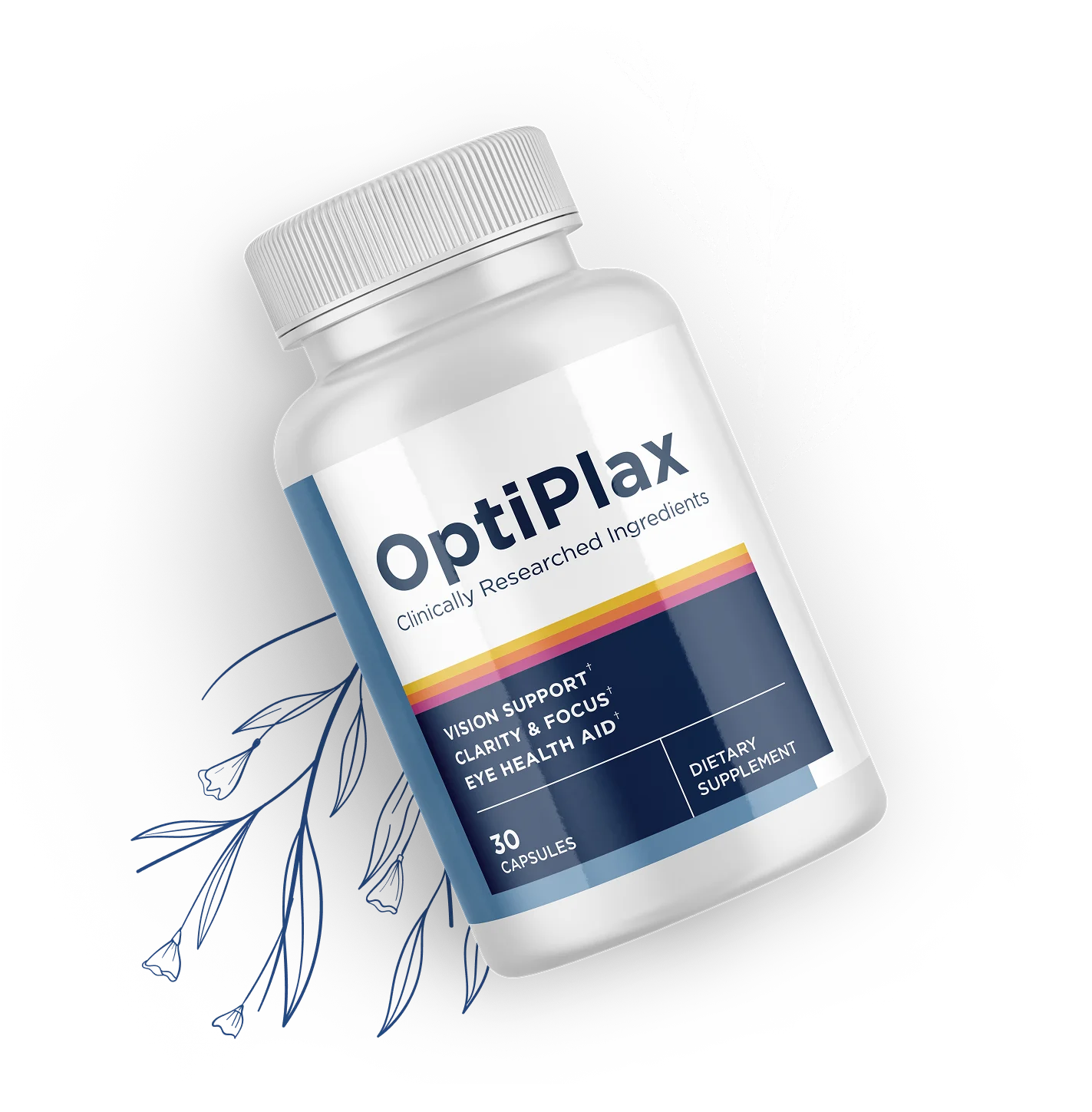
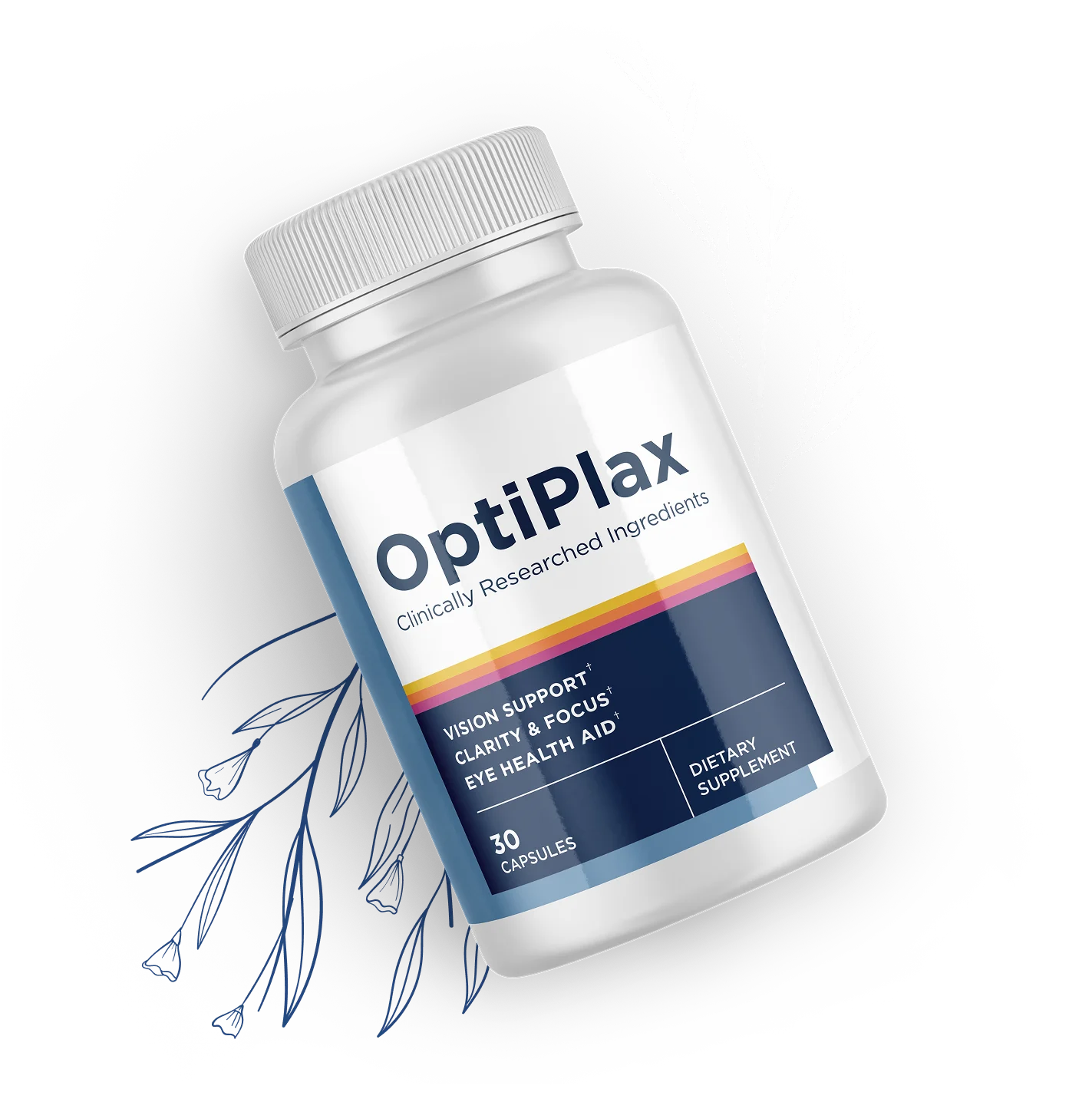
OptiPlex is a premium dietary supplement crafted to provide comprehensive support for your vision and help combat the challenges of digital eye strain. Formulated with a blend of clinically studied ingredients, OptiPlex aims to nourish your eyes from within, promoting long-term health and clarity.
Lutein & Zeaxanthin (from Marigold Flower)
These carotenoids are crucial for macular health, filtering harmful blue light and protecting against oxidative damage. They are vital for maintaining visual acuity and reducing the impact of digital strain.
Dose: 10mg Lutein, 2mg Zeaxanthin
Bilberry Extract (25% Anthocyanins)
Rich in antioxidants, Bilberry supports retinal health, improves blood circulation to the eyes, and may enhance night vision and reduce eye fatigue associated with prolonged screen use.
Dose: 100mg
Vitamin A (as Beta-Carotene)
Essential for vision, particularly in low light. Beta-carotene is a precursor to Vitamin A and acts as an antioxidant, protecting eye cells from damage.
Dose: 2500 IU
Zinc (as Zinc Oxide)
A vital mineral that helps transport Vitamin A to the retina and is involved in numerous enzymatic processes critical for eye health. It plays a role in protecting against oxidative damage.
Dose: 15mg
Vitamin C (as Ascorbic Acid)
A powerful antioxidant concentrated in the eye's lens and aqueous humor, protecting against free radical damage and supporting the health of blood vessels in the eyes.
Dose: 120mg
Vitamin E (as DL-Alpha Tocopheryl Acetate)
Another potent antioxidant that protects cells, including those in the eyes, from oxidative stress. It works synergistically with Vitamin C to maintain overall eye health.
Dose: 30 IU
OptiPlex is manufactured in a GMP-certified facility in the USA, ensuring high quality and purity. While it's one solution among many, it offers a convenient and effective way to ensure your eyes receive the nutritional support they need to thrive in our digital age. To see what real users are saying, explore our OptiPlex Reviews and Real Results.
Ready to Give Your Eyes the Support They Deserve?
Don't let digital eye strain dictate your comfort or compromise your long-term vision. OptiPlex offers a scientifically formulated blend of natural ingredients designed to combat the effects of screen exposure and promote optimal eye health.
- ✓ Reduces Digital Eye Strain Symptoms
- ✓ Supports Macular Health & Vision Clarity
- ✓ Protects Eyes from Blue Light & Oxidative Stress
- ✓ Formulated with Clinically Studied Ingredients
- ✓ Made in the USA, GMP Certified




What Our Users Are Saying
"I used to get terrible headaches after a long day at the computer. Since starting OptiPlex, the difference is incredible. My eyes feel less tired, and the headaches are almost gone!"
"As someone concerned about macular degeneration, I sought a supplement to support my vision. OptiPlex has given me peace of mind, and I've noticed my vision feels sharper."
"Dry eyes were a constant battle. After a few weeks on OptiPlex, I'm blinking more comfortably, and my eyes don't feel as gritty by the end of the day. Highly recommend!"
The Long-Term Impact: Protecting Against Macular Degeneration and Vision Loss
While digital eye strain often presents with acute symptoms like fatigue and dryness, the cumulative effects of prolonged screen exposure, coupled with other environmental and genetic factors, can have more profound implications for long-term vision health.
One of the most concerning long-term conditions is
Protecting your macula is paramount. Nutrients like Lutein and Zeaxanthin, found in abundance in OptiPlex and a healthy diet, are naturally concentrated in the macula, where they act as a protective shield, absorbing blue light and neutralizing free radicals. By reducing digital eye strain and supporting the health of the macular pigment, we are not just alleviating immediate discomfort but also taking proactive steps against severe vision loss conditions like AMD.
Furthermore, chronic eye strain and inadequate care can contribute to other forms of
Embracing a lifestyle that minimizes eye strain, provides essential nutrients, and includes regular check-ups is your best defense against the long-term impacts of our digital world on your vision. OptiPlex is designed to be a part of this comprehensive protective strategy.
Frequently Asked Questions
What are the most common symptoms of digital eye strain?
+Digital eye strain, also known as computer vision syndrome, typically manifests as dry eyes, blurred vision, headaches, neck and shoulder pain, and general eye discomfort. These symptoms often worsen with prolonged screen use.
How does the 20-20-20 rule help reduce eye strain?
+The 20-20-20 rule is a simple yet effective technique: every 20 minutes, look at something 20 feet away for at least 20 seconds. This helps relax your eye muscles, reduces fatigue, and encourages blinking, which can prevent dry eyes.
Is blue light from screens really harmful to my eyes?
+While blue light is a natural part of sunlight, excessive exposure from digital screens, especially at night, can disrupt your sleep cycle and potentially contribute to eye strain. Research is ongoing regarding its long-term impact on retinal health, but minimizing exposure, particularly before bed, is a good preventative measure.
What ergonomic adjustments can I make to my workspace to protect my eyes?
+Proper ergonomics are crucial. Position your screen about an arm's length away, with the top of the screen at or slightly below eye level. Ensure proper lighting to avoid glare, use an adjustable chair for good posture, and take regular breaks to stretch and rest your eyes.
Can diet and supplements play a role in reducing eye strain and supporting long-term vision?
+Absolutely. A diet rich in antioxidants, omega-3 fatty acids, lutein, and zeaxanthin can support overall eye health and potentially reduce the impact of digital strain. Supplements like OptiPlex, formulated with key vision-supporting ingredients, can complement a healthy diet and lifestyle.
When should I see an eye doctor for eye strain symptoms?
+If your eye strain symptoms are persistent, severe, accompanied by significant pain, vision changes, or do not improve with self-care measures, it is essential to consult an ophthalmologist. They can rule out underlying conditions and recommend personalized treatment.
Related Articles