Are you proactive about protecting your most precious sense: your sight?
In a world increasingly reliant on visual input, the health of our eyes has never been more critical. Yet, for millions, the threat of Age-related Macular Degeneration (AMD) looms large, gradually eroding the sharp, central vision essential for reading, recognizing faces, and driving. This debilitating condition, affecting the macula—the part of the retina responsible for detailed vision—is a leading cause of vision loss among older adults.
The good news? While AMD can be a formidable foe, it's not an unbeatable one. Emerging research and clinical evidence strongly suggest that adopting specific lifestyle changes can play a pivotal role in preventing, slowing, and even managing the progression of macular degeneration. It's about empowering yourself with knowledge and making conscious choices that nurture your ocular health from the inside out.
Understanding Macular Degeneration: A Closer Look at AMD
Before we dive into solutions, let's clarify what we're up against. Macular degeneration isn't just a single condition; it primarily refers to Age-related Macular Degeneration (AMD), which has two main forms: dry and wet.
The macula is a small, highly sensitive part of your retina responsible for sharp, detailed central vision. It's what allows you to see faces, read, and perform tasks requiring fine visual acuity. When the macula deteriorates, these crucial functions are compromised, leading to blurry vision, dark spots, or distorted lines in your central field of view.
Dry AMD is the more common form, accounting for about 80-90% of cases. It occurs when light-sensitive cells in the macula slowly break down, often associated with the formation of tiny yellow deposits called drusen. Dry AMD progresses gradually, and while it can cause significant vision loss, it typically doesn't lead to total blindness. However, dry AMD can advance to wet AMD.
Wet AMD is less common but far more aggressive. It happens when abnormal blood vessels grow under the retina and macula. These fragile vessels leak blood and fluid, causing rapid and severe damage to the macula. If left untreated, wet AMD can lead to swift and profound vision loss. Early detection and treatment are crucial for managing wet AMD.
While the exact causes of AMD are complex, involving a combination of genetic predisposition and environmental factors, oxidative stress and inflammation are believed to play significant roles in its development and progression. This understanding forms the basis for many of the lifestyle interventions we'll explore.
💡 Key Takeaway
Macular degeneration, particularly AMD, impacts central vision crucial for daily tasks. Dry AMD progresses slowly, while wet AMD is aggressive due to leaky blood vessels. Both forms are linked to oxidative stress and inflammation, making lifestyle interventions vital for management and slowing progression.
The Power of Your Plate: Nutritional Strategies for Eye Health
Your diet is one of the most powerful tools you possess in the fight against macular degeneration. What you eat directly impacts the health of your eyes, providing the necessary nutrients to protect against oxidative damage and support retinal function.
Embrace Antioxidant-Rich Foods
Antioxidants are your eyes' natural defense against free radicals, which contribute to cellular damage. Load up on colorful fruits and vegetables like spinach, kale, collard greens, bell peppers, berries, and citrus fruits. These are packed with vitamins C and E, beta-carotene, and other potent antioxidants.
Prioritize Lutein and Zeaxanthin
These two carotenoids are concentrated in the macula, where they act as a natural filter for harmful blue light and provide antioxidant protection. Excellent sources include dark leafy greens (kale, spinach, collards), corn, peas, broccoli, and egg yolks. Regular intake is vital for macular pigment density.
Integrate Omega-3 Fatty Acids
Found abundantly in the retina, Omega-3s, particularly DHA, are crucial for retinal health and function. They have anti-inflammatory properties that can protect against AMD progression. Incorporate fatty fish like salmon, mackerel, sardines, and tuna into your diet several times a week, or consider a high-quality fish oil supplement.
Don't Forget Zinc
Zinc is a vital trace mineral that helps transport Vitamin A from the liver to the retina to produce melanin, a protective pigment in the eyes. It also plays a role in enzyme activity and antioxidant defense. Good sources include lean red meat, poultry, beans, nuts, and whole grains.
Limit Processed Foods and Unhealthy Fats
Diets high in saturated and trans fats, refined carbohydrates, and processed foods can contribute to inflammation and oxidative stress, potentially accelerating AMD. Opt for whole, unprocessed foods, healthy fats like olive oil and avocados, and lean proteins.
Beyond Diet: Critical Lifestyle Adjustments for Eye Protection
While nutrition is foundational, a holistic approach to preventing and slowing AMD involves several other key lifestyle modifications. These habits can significantly reduce your risk and preserve your vision over time.
Quit Smoking Immediately: If you smoke, this is arguably the single most impactful change you can make for your eye health. Smoking more than doubles your risk of developing AMD and accelerates its progression. It constricts blood vessels, reduces antioxidant levels, and increases oxidative stress in the eyes. Quitting smoking is paramount, not just for your eyes, but for your overall health.
Protect Your Eyes from UV Light: Prolonged exposure to ultraviolet (UV) light from the sun can contribute to retinal damage and increase AMD risk. Always wear sunglasses that block 99-100% of both UVA and UVB rays when outdoors, even on cloudy days. A wide-brimmed hat can provide additional protection. This is particularly important if you spend a lot of time outside.
Maintain a Healthy Weight and Exercise Regularly: Obesity is a known risk factor for AMD. Regular physical activity can help maintain a healthy weight, improve circulation, and reduce inflammation, all of which benefit eye health. Aim for at least 30 minutes of moderate-intensity exercise most days of the week. This also helps manage other conditions like diabetes and hypertension, which can indirectly impact vision.
Manage Chronic Health Conditions: Conditions such as high blood pressure, high cholesterol, and diabetes can negatively impact the delicate blood vessels in your eyes, increasing your risk for AMD and other vision problems. Work closely with your doctor to manage these conditions effectively through medication, diet, and lifestyle changes.
Regular Comprehensive Eye Exams: Early detection is key, especially for wet AMD where timely treatment can prevent severe vision loss. Schedule regular comprehensive eye exams with an ophthalmologist, particularly if you are over 50 or have a family history of AMD. These exams can detect subtle changes in your macula before you even notice symptoms. Your doctor might use advanced imaging techniques like OCT (Optical Coherence Tomography) to monitor your retinal health.
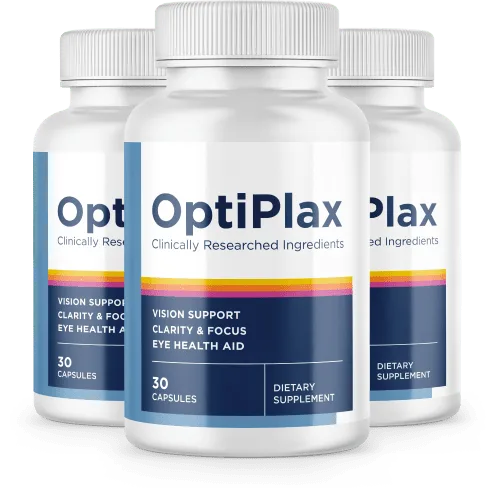
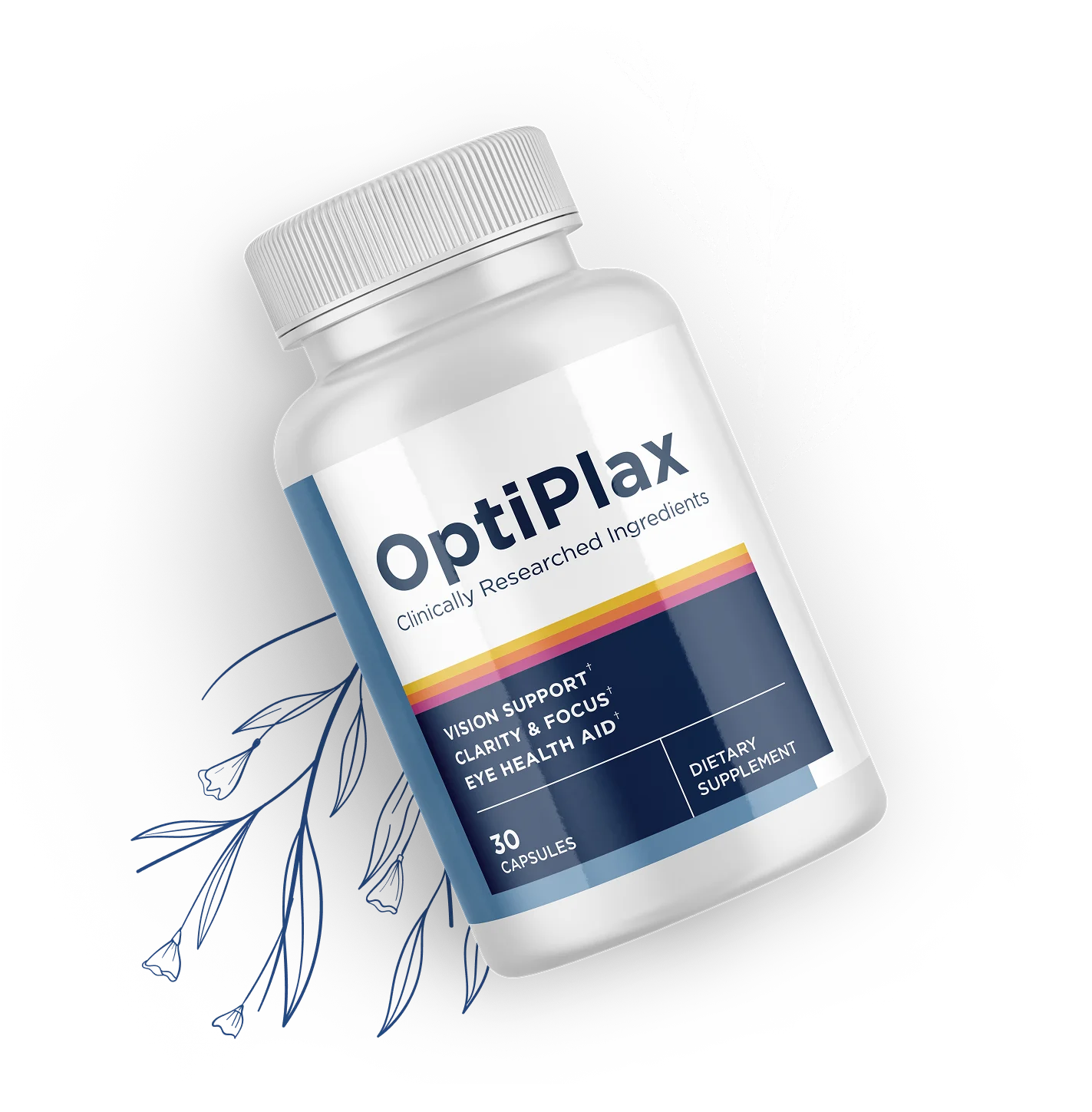
Consider Vision-Supporting Supplements: For individuals with intermediate or advanced dry AMD, or those at high risk, specific nutritional supplements containing a blend of vitamins and minerals (known as the AREDS2 formula) have been shown to slow disease progression. Ingredients often include high doses of Vitamin C, Vitamin E, Zinc, Copper, Lutein, and Zeaxanthin. Products like OptiPlex offer a comprehensive formula designed to support macular health. You can read more about how these ingredients work in articles like Lutein and Zeaxanthin: Essential Nutrients for Optimal Eye Health.
Practice Good Screen Habits: While screen time isn't directly linked to AMD, excessive use can lead to digital eye strain, fatigue, and dry eyes. Follow the 20-20-20 rule: every 20 minutes, look at something 20 feet away for at least 20 seconds. Ensure proper lighting and adjust screen brightness to reduce glare. Some people also find benefit from special blue light filtering glasses, though their direct impact on AMD risk is still under research.
💡 Key Takeaway
Beyond diet, critical lifestyle changes for eye health include quitting smoking, protecting eyes from UV light, maintaining a healthy weight through exercise, managing chronic conditions, and getting regular comprehensive eye exams. Vision supplements can also offer targeted support.
The Role of Specialized Eye Supplements: When to Consider OptiPlex
While lifestyle changes form the bedrock of vision protection, sometimes our diet alone isn't enough, or our risk factors necessitate additional support. This is where targeted eye supplements come into play, offering a concentrated dose of nutrients vital for macular health.
The Age-Related Eye Disease Study (AREDS and AREDS2) research has been groundbreaking in demonstrating that specific formulations of vitamins and minerals can significantly slow the progression of intermediate and advanced AMD. These studies highlighted the importance of a precise blend, which often includes:
Vitamin C (Ascorbic Acid)
A powerful antioxidant that helps protect cells from damage and supports the health of blood vessels in the eyes.
Vitamin E (Alpha-Tocopherol)
Another strong antioxidant that works synergistically with Vitamin C to protect eye tissues from oxidative stress.
Zinc (Zinc Oxide)
Crucial for maintaining the health of the retina, zinc aids in the transport of Vitamin A to the eyes and is involved in numerous enzymatic processes.
Copper (Cupric Oxide)
Included in AREDS2 formulas to prevent copper deficiency, which can be caused by high doses of zinc.
Lutein & Zeaxanthin
These carotenoids form the macular pigment, acting as natural blue light filters and powerful antioxidants directly in the macula. They are indispensable for central vision protection.
Omega-3 Fatty Acids (DHA & EPA)
Essential for retinal structure and function, these fatty acids possess anti-inflammatory properties that can help protect against AMD progression. They are especially beneficial for conditions like night-vision-improvement-supplement.html.
OptiPlex is formulated with a comprehensive blend of these scientifically-backed ingredients, designed to provide targeted nutritional support for individuals concerned about macular degeneration and overall eye health. It's crafted to complement your healthy lifestyle choices, offering a convenient way to ensure your eyes receive the potent antioxidants and essential nutrients they need to thrive. While OptiPlex is not a cure for AMD, it can be a valuable part of a proactive strategy to slow its progression and support your vision.
Always consult your ophthalmologist or healthcare provider before starting any new supplement regimen, especially if you have existing medical conditions or are taking other medications. They can help determine if a supplement like OptiPlex is appropriate for your individual needs and how it fits into your overall eye care plan.
Ready to Give Your Eyes the Support They Deserve?
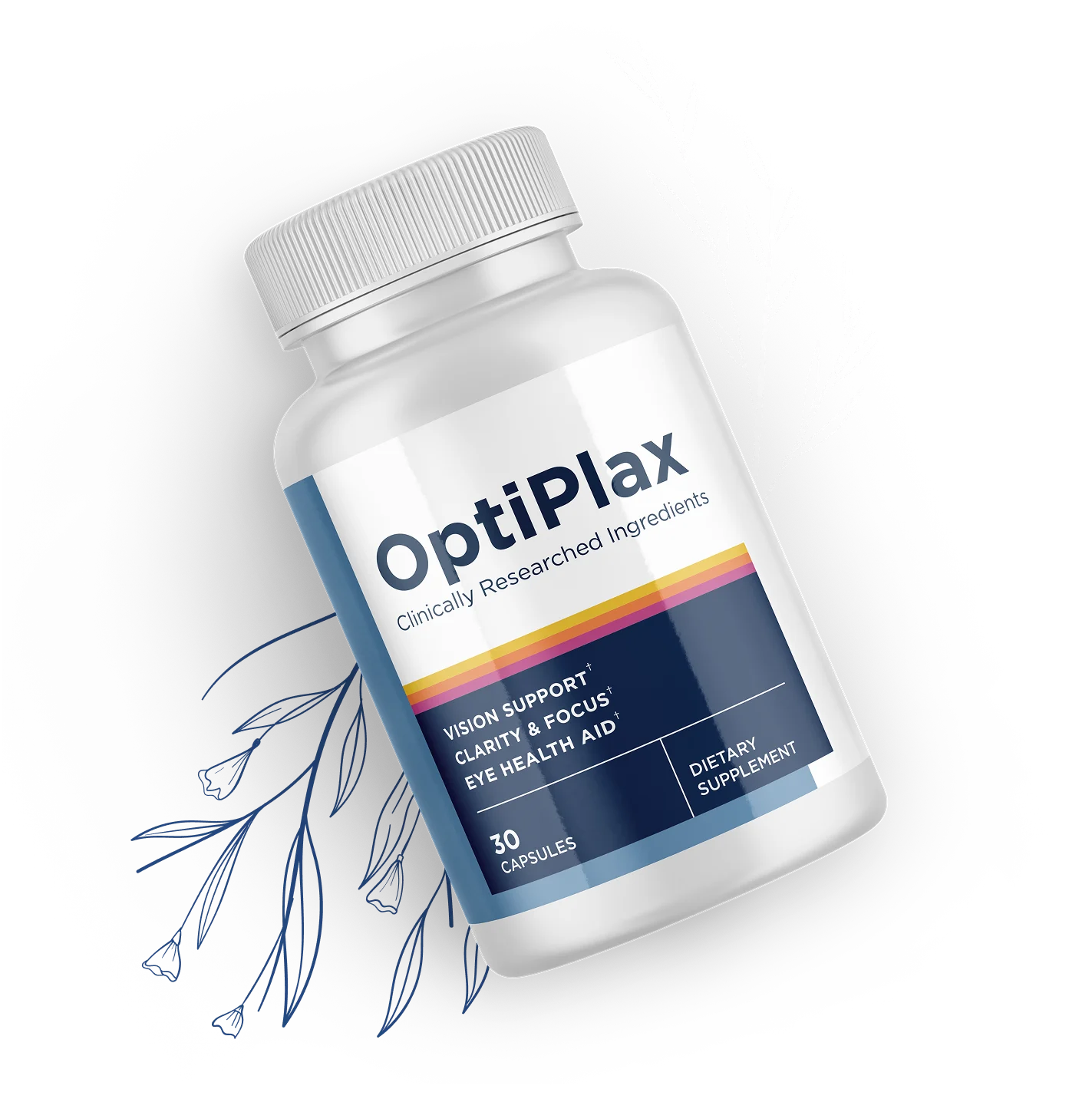
Don't wait until vision problems become severe. Take a proactive step towards protecting your precious eyesight with OptiPlex. Our advanced formula is designed to deliver comprehensive nutritional support for macular health and overall vision.
- ✓ Scientifically-backed AREDS2-inspired formula
- ✓ Contains Lutein, Zeaxanthin, Vitamins C, E, Zinc, and more
- ✓ Supports healthy macular function
- ✓ Helps protect against oxidative stress
- ✓ Made with natural ingredients for optimal absorption




Real People, Real Results: What Our Users Are Saying
"I was worried about my vision as I got older, especially with a family history of AMD. Since starting OptiPlex a few months ago, I feel more confident. My eyes feel less strained, and my vision seems clearer, particularly when reading. It's become a staple in my daily routine."
"My ophthalmologist recommended a supplement with Lutein and Zeaxanthin. After some research, I chose OptiPlex. I've noticed a definite improvement in my night vision and overall comfort. It's reassuring to know I'm giving my eyes the best possible support."
"I've been using OptiPlex for over six months, and the difference is noticeable. My eyes feel less fatigued after long hours on the computer, and I feel like I'm doing everything I can to protect my vision from macular degeneration. Highly recommend it!"
Frequently Asked Questions
What is macular degeneration and why is it important to address?
+Macular degeneration, particularly Age-related Macular Degeneration (AMD), is a leading cause of severe vision loss in people over 50. It affects the macula, the central part of the retina responsible for sharp, detailed vision. Addressing it early through lifestyle changes can significantly slow its progression and preserve remaining vision.
Can lifestyle changes truly prevent or slow AMD?
+While genetics play a role, numerous studies demonstrate that specific lifestyle changes can substantially reduce the risk of developing AMD and slow its progression once diagnosed. These include diet, exercise, sun protection, and avoiding smoking.
What specific dietary changes are most beneficial for eye health?
+A diet rich in antioxidants, like lutein and zeaxanthin (found in leafy greens, colorful fruits), omega-3 fatty acids (from fatty fish), and zinc, is crucial. Limiting processed foods and unhealthy fats also supports overall eye health.
How does smoking affect macular degeneration?
+Smoking is one of the most significant modifiable risk factors for AMD. It damages blood vessels, reduces antioxidant levels, and increases oxidative stress in the eyes, accelerating the onset and progression of the disease. Quitting smoking is paramount for eye health.
Are eye supplements like OptiPlex effective for AMD?
+Supplements, especially those formulated with AREDS2 ingredients like specific vitamins, minerals, lutein, and zeaxanthin, can be beneficial for individuals with intermediate or advanced AMD to slow its progression. OptiPlex contains a blend of vision-supporting nutrients, including these key compounds, designed to complement a healthy lifestyle. Always consult a healthcare professional.
How often should I get my eyes checked if I'm concerned about AMD?
+Regular comprehensive eye exams are vital, especially if you have risk factors for AMD or are over 50. Your ophthalmologist can detect early signs and monitor progression. Generally, annual exams are recommended, but your doctor may suggest more frequent visits based on your individual needs.
Related Articles