Are you noticing subtle shifts in your vision as you age?
It's a natural, often inevitable part of life: as we grow older, our bodies undergo numerous changes, and our eyes are certainly no exception. What once seemed effortlessly clear might now require a bit more effort, or perhaps you've started to notice new challenges in your daily visual tasks. Understanding these changes isn't just about accepting them; it's about empowering yourself with knowledge to take proactive steps.
From the moment we wake until we close our eyes at night, our vision plays a crucial role in almost every aspect of our existence. Yet, many of us only truly appreciate its value when we begin to experience its decline. This comprehensive guide will delve deep into the fascinating, albeit sometimes frustrating, world of age-related vision changes, exploring the underlying biological mechanisms and offering actionable insights to help you maintain optimal eye health for years to come. We'll cover everything from common conditions like presbyopia and cataracts to more serious concerns such as macular degeneration, equipping you with the understanding you need to navigate this journey confidently.
The Unfolding Story of Aging Eyes: What Happens?
As we age, our eyes, like every other part of our body, undergo a series of physiological changes. These changes are often gradual, sometimes imperceptible at first, but can eventually lead to noticeable alterations in our visual abilities. Understanding the "what" and the "why" behind these changes is crucial for maintaining optimal eye health.
At a fundamental level, the structures within our eyes, from the cornea to the retina, can experience wear and tear, cellular degradation, and reduced efficiency over time. This can manifest in various ways, impacting everything from how well we see close-up to our ability to perceive colors and adapt to different light conditions. The cumulative effects of a lifetime of light exposure, environmental factors, and metabolic processes contribute to this slow but steady transformation.
One of the earliest and most common changes is presbyopia, or age-related farsightedness. This typically begins around age 40, making it difficult to focus on close objects. It's caused by the hardening of the eye's natural lens, which loses its flexibility, and the weakening of the muscles that control its shape. Reading small print, threading a needle, or working on a computer screen can become challenging, often requiring reading glasses or multifocal lenses.
Another prevalent condition is the development of cataracts. A cataract is a clouding of the eye's natural lens, which sits behind the iris and pupil. This clouding scatters light entering the eye, leading to blurry vision, faded colors, glare sensitivity, and difficulty seeing at night. While cataracts can occur at any age, they are overwhelmingly associated with aging, with most people developing them by age 80. The lens protein naturally breaks down and clumps together over time, forming these opaque areas.
Beyond these common issues, other, potentially more serious conditions also become more prevalent with age. These include glaucoma, a group of diseases that damage the optic nerve, often due to abnormally high pressure inside the eye. The optic nerve transmits visual information from the eye to the brain, and its damage can lead to irreversible vision loss, starting with peripheral vision. Early detection and treatment are vital to prevent severe progression. Similarly, conditions like digital eye strain are becoming more common across all age groups, but can exacerbate underlying age-related sensitivities.
Perhaps one of the most concerning age-related eye diseases is Age-related Macular Degeneration (AMD). AMD affects the macula, the central part of the retina responsible for sharp, detailed central vision needed for tasks like reading, driving, and recognizing faces. As we age, the delicate cells of the macula can deteriorate, leading to blurred central vision, distorted lines, and eventually, blank spots in the central field of vision. There are two main types: dry AMD, which is more common and progresses slowly, and wet AMD, which is less common but more aggressive, involving abnormal blood vessel growth under the macula. This condition is a leading cause of severe, irreversible vision loss in individuals over 50. You can learn more about targeted nutritional support for such conditions in our article on best eye supplements for retinal health.
Finally, dry eye syndrome also becomes more common with age. Our eyes produce fewer tears, or the quality of our tears diminishes, leading to discomfort, redness, a gritty sensation, and sometimes even blurry vision. Hormonal changes, medication side effects, and environmental factors contribute to this condition. If you spend a lot of time in front of screens, you might also be interested in supplements for digital eye strain.
💡 Key Takeaway
Aging brings predictable changes to eye health, but understanding these changes – from presbyopia to macular degeneration – is the first step towards proactive management and preserving your vision. Regular check-ups and a healthy lifestyle are paramount.
Why Do These Changes Happen? The Science Behind Aging Vision
The "why" behind age-related vision decline is a complex interplay of genetic predisposition, environmental factors, and the natural biological processes of aging. Understanding these mechanisms can shed light on how to best protect our eyes.
One of the primary culprits is oxidative stress. Over a lifetime, our eyes are constantly exposed to light, especially harmful UV and blue light, which generates free radicals. These unstable molecules can damage cells, proteins, and DNA within the eye, contributing to conditions like cataracts and AMD. The body's natural antioxidant defense systems become less efficient with age, making the eyes more vulnerable to this damage.
Another significant factor is the accumulation of waste products. In the retina, particularly in AMD, deposits called drusen can form under the macula. These yellowish deposits are thought to be remnants of cellular debris that the eye's waste removal system struggles to clear efficiently as we age. Their presence can disrupt the normal function of the photoreceptor cells and the supporting tissue, eventually leading to vision loss.
Reduced blood flow to the eye is also a concern. As we age, blood vessels can narrow and harden (atherosclerosis), reducing the supply of oxygen and vital nutrients to the delicate tissues of the eye, including the optic nerve and retina. This can exacerbate conditions like glaucoma and contribute to the progression of AMD.
The loss of cellular elasticity and regenerative capacity plays a role, particularly in presbyopia. The lens of the eye, made of proteins and water, becomes less pliable over time, losing its ability to change shape to focus on varying distances. Similarly, the cells of the retina and other eye structures may lose some of their ability to repair themselves or regenerate, leaving them more susceptible to damage.
Inflammation is another key player. Chronic low-grade inflammation, which increases with age throughout the body, can also affect the eyes. Inflammatory processes can contribute to the breakdown of retinal tissue and the progression of diseases like AMD. The immune system, while crucial for protection, can sometimes contribute to damage if it becomes dysregulated in the aging eye.
Finally, genetic factors cannot be overlooked. Our genes play a significant role in determining our susceptibility to various eye conditions. If your parents or grandparents had conditions like AMD or glaucoma, your risk might be higher. However, genetics are not destiny; lifestyle and environmental factors can often mitigate or accelerate these predispositions.
Proactive Steps: Protecting Your Vision Through the Years
While some age-related changes are inevitable, many forms of vision loss are preventable or manageable with proactive care. Taking steps now can significantly impact your eye health in the future.
Regular Comprehensive Eye Exams
This is arguably the most important step. Many serious eye conditions, like glaucoma and early AMD, have no symptoms in their initial stages. Only a thorough eye exam by an ophthalmologist or optometrist can detect these issues early, allowing for timely intervention and treatment. Adults over 40 should have an exam every 1-2 years, increasing frequency after age 60 or if risk factors are present.
Maintain a Healthy Lifestyle
What's good for your heart is good for your eyes. A balanced diet rich in fruits, vegetables (especially dark leafy greens), and omega-3 fatty acids can provide essential nutrients. Regular exercise improves blood circulation, benefiting eye tissues. Quitting smoking is crucial, as smoking is a major risk factor for cataracts and AMD. Manage chronic conditions like diabetes and high blood pressure, as they can severely impact eye health.
Protect Your Eyes from Harmful Light
Wear sunglasses that block 99-100% of UVA and UVB rays whenever you are outdoors, even on cloudy days. This helps prevent UV damage that contributes to cataracts and AMD. Consider blue light filtering glasses if you spend many hours in front of digital screens, as excessive blue light exposure may contribute to eye strain and potentially long-term retinal damage.
Stay Hydrated and Rest Your Eyes
Adequate water intake supports overall bodily functions, including tear production, which is vital for preventing dry eyes. If you work on computers or do close-up tasks, follow the 20-20-20 rule: every 20 minutes, look at something 20 feet away for 20 seconds. This helps reduce eye strain and fatigue.
Consider Nutritional Support
While diet is paramount, targeted nutritional supplements can play a supportive role, especially for individuals at risk of or experiencing early signs of age-related eye conditions like AMD. Key nutrients include antioxidants (Vitamins C & E), zinc, copper, lutein, and zeaxanthin. Always discuss supplement use with your eye care professional to ensure it's appropriate for your specific needs.
Common Symptoms of Age-Related Vision Changes to Watch For
Recognizing the early signs of vision changes is key to prompt diagnosis and management. Don't dismiss these symptoms as just "getting old" without consulting a professional.
Difficulty with Near Vision
Struggling to read small print, needing to hold books or phones further away, or experiencing eye strain when doing close-up tasks are classic signs of presbyopia, usually starting in your 40s.
Dimmed or Blurred Vision
A general haziness, cloudy vision, or a feeling that colors are less vibrant can indicate cataracts. This often progresses gradually, making it easy to overlook until it significantly impacts daily life.
Increased Sensitivity to Glare
Lights, especially headlights at night, may seem excessively bright or have halos around them. This is a common symptom of cataracts and can make night driving particularly challenging.
Distorted or Wavy Lines
If straight lines appear wavy, bent, or distorted, or if there's a blurry or dark spot in your central vision, these are critical warning signs of potential macular degeneration. Immediate medical attention is vital.
Dry, Itchy, or Gritty Eyes
A persistent feeling of dryness, irritation, burning, or the sensation of something in your eye are common symptoms of dry eye syndrome, which increases with age and can be exacerbated by environmental factors and screen use.
Loss of Peripheral Vision
Gradual narrowing of your field of vision, or bumping into objects because you didn't see them to the side, can be a symptom of glaucoma. This is often insidious and may not be noticed until significant damage has occurred.
OptiPlex: A Synergistic Blend for Comprehensive Eye Support
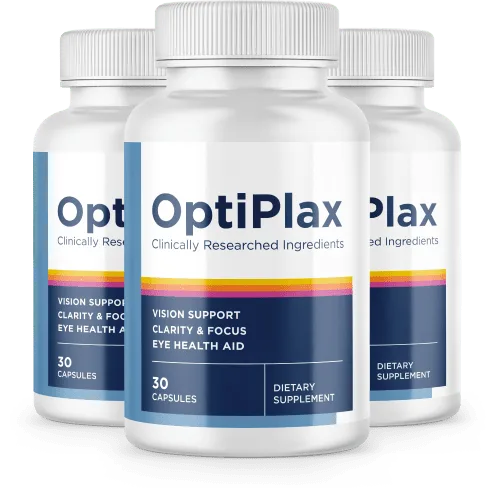
While no supplement can cure advanced eye diseases, targeted nutrition plays a vital role in supporting eye health and potentially slowing the progression of age-related conditions. OptiPlex is formulated with a blend of key ingredients known for their beneficial effects on vision.
Lutein & Zeaxanthin
Role: These powerful carotenoids are concentrated in the macula, acting as natural filters against harmful blue light and potent antioxidants. They protect against oxidative stress and support macular pigment density, crucial for central vision. OptiPlex provides a clinically relevant dose to help maintain the integrity of the macula.
Zinc
Role: An essential trace mineral found in high concentrations in the eye, especially the retina. Zinc plays a crucial role in transporting Vitamin A from the liver to the retina, which is necessary for producing melanin, a protective pigment in the eye. It's also vital for antioxidant enzyme activity.
Vitamin C (Ascorbic Acid)
Role: A potent antioxidant that protects against free radical damage in the eyes. It is found in high concentrations in the aqueous humor (the fluid that fills the front of the eye) and helps reduce the risk of cataract formation and supports overall ocular tissue health.
Vitamin E (Alpha-Tocopherol)
Role: Another powerful fat-soluble antioxidant that protects cell membranes, including those in the eyes, from oxidative damage. It works synergistically with Vitamin C and supports the health of retinal cells.
Bilberry Extract
Role: Rich in anthocyanins, potent antioxidants that support circulation to the eyes, enhance night vision, and help protect the retina from oxidative damage. It has a long history of traditional use for improving visual acuity.
Alpha Lipoic Acid (ALA)
Role: A unique antioxidant that is both fat- and water-soluble, allowing it to work throughout the entire body, including the eyes. ALA helps regenerate other antioxidants like Vitamin C and E, and supports mitochondrial function in ocular cells, vital for energy production and health.
Resveratrol
Role: A powerful polyphenol found in red grapes, known for its strong antioxidant and anti-inflammatory properties. Resveratrol helps protect retinal cells from damage, supports healthy blood flow to the eyes, and may play a role in preventing age-related vision loss.
Copper
Role: An essential trace mineral often included with zinc in eye supplements. While zinc is critical, high doses of zinc can deplete copper, so a balanced ratio is important to maintain optimal health and prevent copper deficiency, which can have adverse effects.
Don't Let Age Dim Your World: Support Your Vision with OptiPlex
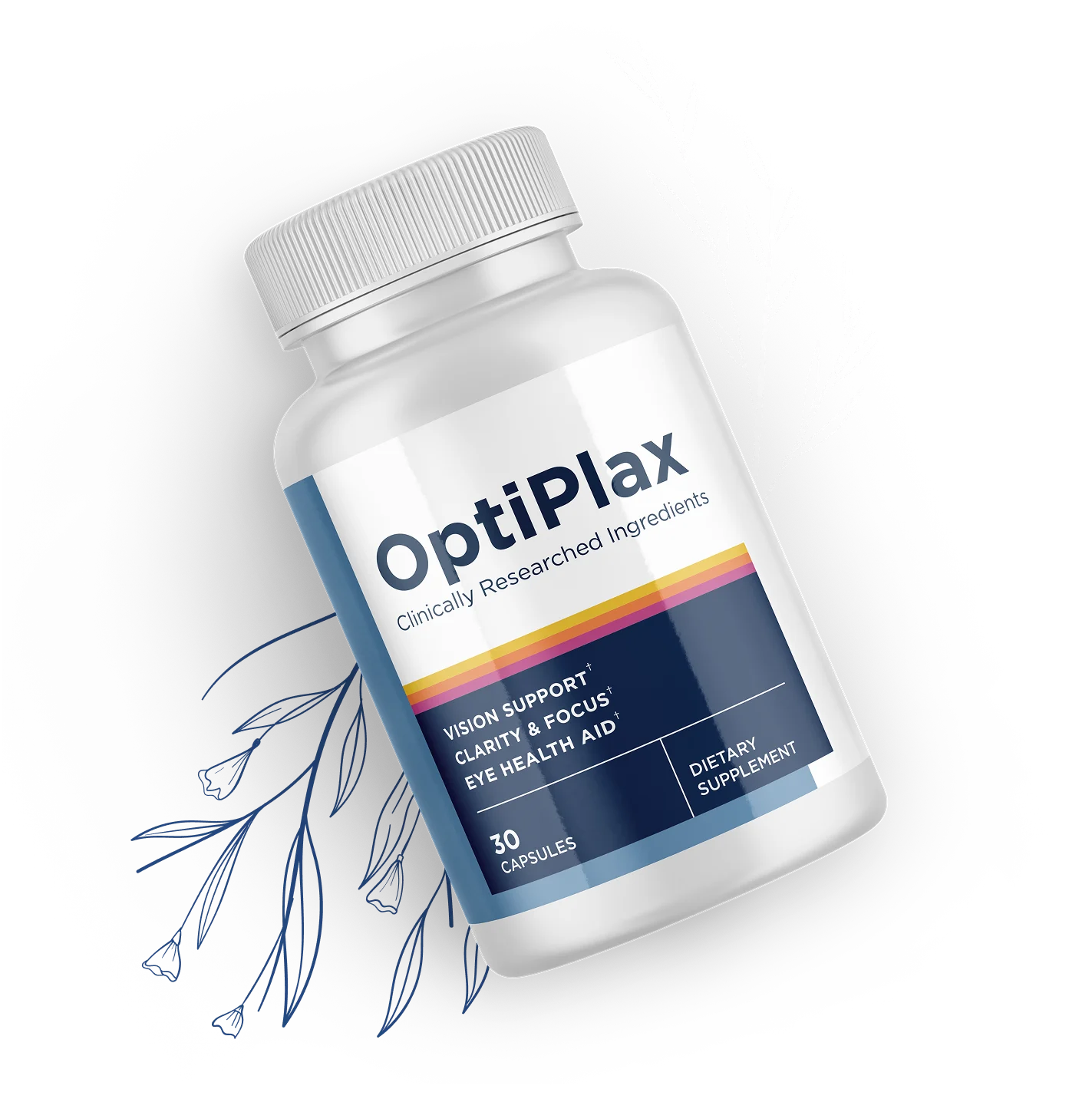
OptiPlex offers a unique blend of clinically-backed ingredients formulated to support the health of your aging eyes. Designed to target key areas of vision decline, it's a simple yet powerful step towards preserving your precious sight and maintaining your independence.
- ✓ Supports Macular Health and Pigment Density
- ✓ Enhances Visual Acuity and Clarity
- ✓ Protects Against Oxidative Stress and Blue Light Damage
- ✓ Promotes Optimal Retinal Function and Blood Flow
- ✓ Aids in Reducing Eye Strain and Fatigue


What Our Customers Say About OptiPlex
"I used to struggle with reading fine print and bright lights at night. Since starting OptiPlex a few months ago, I've noticed a significant improvement. My eyes feel less strained, and my vision seems clearer, especially in challenging lighting. It's made a real difference in my daily life."
"As someone with a family history of macular degeneration, I'm always looking for ways to protect my eyes. OptiPlex was recommended by a friend, and I'm so glad I tried it. I feel more confident about my eye health, and I've even noticed less dryness. A truly essential part of my wellness routine now."
"My ophthalmologist stressed the importance of lutein and zeaxanthin for my aging eyes. OptiPlex has all the key nutrients I was looking for in one convenient supplement. My vision feels sharper, and I'm not experiencing as much eye fatigue after long days. Highly recommend for anyone serious about their eye health."
Frequently Asked Questions
What are the most common age-related vision changes?
+The most common age-related vision changes include presbyopia (difficulty focusing on near objects), cataracts (clouding of the eye’s lens), glaucoma (damage to the optic nerve, often due to high eye pressure), and age-related macular degeneration (AMD), which affects central vision. Dry eye syndrome also becomes more prevalent with age.
Can lifestyle choices truly impact my eye health as I age?
+Absolutely. Lifestyle choices significantly impact eye health. A diet rich in antioxidants, omega-3 fatty acids, and specific vitamins (like C and E) can protect your eyes. Avoiding smoking, managing chronic conditions like diabetes and hypertension, wearing UV-protective sunglasses, and regular exercise all play crucial roles in preserving vision and delaying age-related eye diseases.
What is Macular Degeneration, and how does aging contribute to it?
+Macular Degeneration, specifically Age-related Macular Degeneration (AMD), is a leading cause of severe vision loss in people over 50. It occurs when the macula, the central part of the retina responsible for sharp, detailed vision, deteriorates. Aging contributes by causing wear and tear, accumulation of waste products (drusen), and thinning of the retinal layers, making the macula more vulnerable to damage and impaired function.
When should I start considering nutritional supplements like OptiPlex for my eyes?
+While a balanced diet is always foundational, considering nutritional supplements for eye health can be beneficial as early as your 40s or 50s, especially if you have a family history of eye conditions, specific dietary gaps, or increased risk factors for macular degeneration. It's always best to consult with your ophthalmologist or healthcare provider to determine if a supplement like OptiPlex is appropriate for your individual needs.
Is OptiPlex safe to use with other medications?
+OptiPlex is formulated with natural ingredients generally recognized as safe. However, if you are currently taking medications, especially blood thinners, or have pre-existing medical conditions, it is crucial to consult your doctor or pharmacist before starting any new supplement regimen, including OptiPlex, to avoid potential interactions or contraindications.
How long does it take to see results from OptiPlex?
+Individual results with OptiPlex can vary depending on various factors such as age, overall health, and the severity of existing conditions. While some users may notice improvements in a few weeks, it is generally recommended to use the supplement consistently for at least 60 to 90 days to allow the active ingredients to accumulate and exert their full beneficial effects on eye health. Consistency is key for optimal outcomes.
Related Articles